




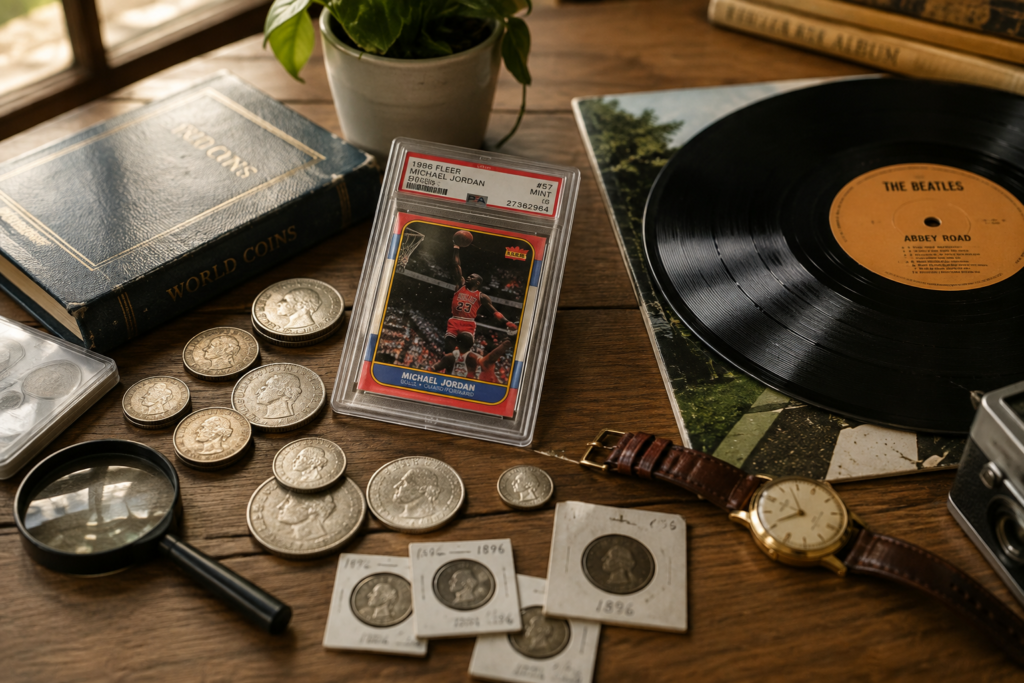
If you’ve got a box of old coins, a binder of sports cards, vintage toys still in the box, or a china cabinet full of collector’s items, you’re sitting on more than clutter. You’re sitting on cash. But where to sell collectibles depends entirely on what you own, how rare it is, and how much effort you’re willing to put into the sale.
This guide is part of our broader Used Items Guide series on buying and selling secondhand goods across the US. Below, we break down every major collectible category and match it to the marketplaces, auction houses, and local options that actually pay close to fair value, plus how to price your items correctly before you ever list them.
Whether you’re clearing out an inherited collection or finally cashing in on items you bought years ago, picking the right platform is often the difference between a lowball offer and a payout that reflects what your collectible is genuinely worth. If you’re unsure where to start, explore our guide on Best Online Marketplaces to Sell Collectibles before choosing a platform for your items.
Best Places to Sell Collectibles at a Glance
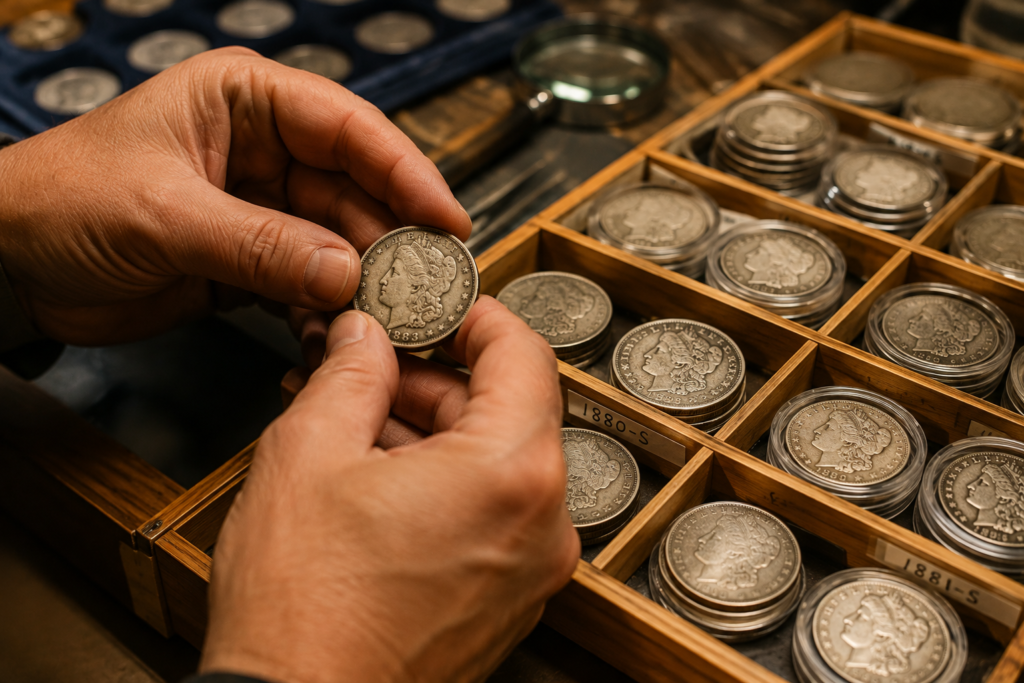
Every collectible category has a handful of platforms that consistently outperform the rest. Here’s the short version before we go deeper.
| Collectible Type | Best Places to Sell |
| Coins & currency | Local coin shops, Heritage Auctions, eBay |
| Trading cards & comics | PWCC, COMC, eBay (graded listings) |
| Toys, figures & blind-box collectibles | StockX, specialty resellers, Facebook collector groups |
| Stamps | Stamp dealers, American Philatelic Society network, eBay |
| Vintage watches & jewelry | Chrono24, local jewelers, appraised private sale |
| Antiques & fine art | Heritage Auctions, estate sale companies, 1stDibs |
| Sports memorabilia | PSA/DNA-authenticated eBay listings, Heritage Auctions |
| Vinyl records | Discogs, local record stores |
Read on for the full breakdown, plus exactly how to price your collectibles before you list them anywhere.
How to Know If Your Collectible Is Actually Worth Something
Before you decide where to sell, figure out what you’re holding. Age alone doesn’t create value; rarity, condition, and demand do.
• Rarity: how many were originally made, and how many survive today in similar condition
• Condition: original packaging, wear, damage, and completeness all move the price up or down
• Demand: even a genuinely rare item is only worth what an active buyer pool will pay right now
• Documentation: provenance, original receipts, or certificates of authenticity add real value to higher-end pieces
Never rely on asking prices to estimate value; anyone can list an item for whatever they want. Instead, filter for sold and completed listings on marketplaces like eBay, which show what buyers actually paid rather than what a seller hoped to get.
For anything you suspect is genuinely valuable, cross-check it against a dedicated price-research database like WorthPoint, which archives millions of past sale prices across nearly every collectible category. It’s the fastest way to separate a common item from one worth a specialist’s attention.
How to Prepare Your Collection Before You Sell
A little preparation before you list anything, or contact a single buyer, makes every conversation faster and usually raises the final offer.
Sort and Separate First
• Group items by category: coins, cards, toys, jewelry, and anything you can’t immediately identify
• Set aside anything that looks unusual, oddly heavy, or noticeably different from the rest of a set, even if you’re not sure why yet
• Keep original boxes, tags, certificates, and paperwork together with the item they belong to
Photograph and Document Before You Contact Any Buyer
• Take clear, well lit photos from multiple angles, including any maker’s marks, mint marks, or signatures
• Note any known history: where you got the item, roughly when, and for how much, if you remember
• Keep a simple spreadsheet or list so you can send the same information to multiple potential buyers without redoing the research each time
This documentation does double duty: it lets you get comparable quotes from several buyers at once, and it gives you a paper trail if a dispute ever comes up after a sale.
Best General Marketplaces to Sell Any Collectible
These platforms work across almost every collectible category, which makes them a solid starting point regardless of what you’re selling.
eBay
Still the largest general marketplace for collectibles in the US. eBay supports both auction-style and fixed-price listings, has a massive built-in buyer base actively searching for niche items, and its sold-listings data doubles as a free price-research tool.
Facebook Marketplace & Local Collector Groups
Best for local, no-shipping sales and for items too bulky or fragile to ship safely, like furniture-sized antiques. Local collector groups also let buyers inspect an item in person before paying, which builds trust on both sides.
Etsy
A strong fit for genuinely vintage items (Etsy generally expects 20+ years old), handmade collectibles, and decorative antiques that appeal to buyers browsing for curated, aesthetic finds rather than bargain-hunting.
Mercari
Straightforward listing flow with prepaid shipping labels, popular for mid value collectibles like toys, small electronics, and trading cards where speed matters more than maximizing the last dollar.
Ruby Lane & 1stDibs
Curated marketplaces built specifically for antiques, fine art, and high-end vintage goods. Listing fees are higher than eBay or Etsy, but the buyer base is pre qualified for serious purchases.
Selling by Collectible Category
General marketplaces work, but specialized platforms almost always pay better once you know exactly what you’re holding.
Coins & Currency
Coin value comes down to two numbers: melt value (what the raw metal is worth) and numismatic value (what collectors will pay above that floor for rarity and condition). Getting this wrong is the single most common way sellers underprice a coin collection.
We cover the full process in detail in How to Check Silver Coin Value, including how to read mint marks, when grading is worth the fee, and which free appraisal tools actually work. Once you know what you’re holding, local coin shops are the fastest option, while Heritage Auctions is the better route for anything identified as a genuine key date or rarity.
Trading Cards & Comics
Grading changes everything for cards and comics. A raw card and the same card graded by PSA can sell for dramatically different prices, since grading removes buyer guesswork about condition.
• PWCC Marketplace — auction-style platform built specifically for high-value graded cards
• COMC (Check Out My Cards) — bulk-friendly consignment for large collections
• eBay — best overall reach; always list the grading company and grade number in the title
• ComicConnect and Heritage Auctions — best for rare or key-issue comic books
Toys, Action Figures & Trending Blind-Box Collectibles
Trending blind-box collectibles, the kind of viral figures covered in our Where to Buy Labubu in the US guide, have created a genuinely active resale market. If you’re holding extras you want to sell, the same authenticity checks that protect buyers also protect you as a seller: keep original packaging, QR codes, and tags intact, since sealed and verifiable items consistently sell for more than opened ones.
• StockX — verification-based resale, ideal for sealed or high-demand blind-box figures
• Specialty toy resellers — good for vintage action figures, especially graded or boxed pieces
• Facebook collector groups — strong for local sales and niche fandoms with active communities
Stamps
Philately is a smaller, more specialized market than coins or cards. The American Philatelic Society maintains a directory of vetted dealers and free educational resources for identifying rare issues. For everyday collections, dedicated stamp dealers typically offer faster, fairer prices than a general marketplace listing that few buyers will even find.
Vintage Watches & Jewelry
For watches, Chrono24 is the largest dedicated marketplace and includes built in buyer protection for higher-value pieces. For gold, silver, or gemstone jewelry, get an independent appraisal before selling, since melt value alone can significantly understate what a piece is actually worth once craftsmanship and brand are factored in.
Antiques & Fine Art
Antiques are the category where local expertise matters most. An item that looks unremarkable in a photo can be a recognized maker’s piece worth a specialist auction, while a similar-looking item might be worth very little.
• Heritage Auctions — strong track record for documented, higher-value antiques and art
• 1stDibs — curated marketplace for design-focused antique buyers
• Local estate sale companies — efficient for liquidating an entire household collection at once
Sports Memorabilia
Authentication is non-negotiable in this category, since counterfeit signatures and reproduction jerseys are common. Third-party authentication from a recognized service before listing typically pays for itself in a higher final sale price, and it’s required by most serious buyers before they’ll bid at all.
Vinyl Records
Records are one of the few collectible categories with a marketplace built specifically around them. Discogs combines a detailed release database with an active marketplace, making it easy to identify the exact pressing before you list it. If you’re unsure how to price your record, read our guide on how to find the value of your collectibles before selling to learn how to compare recent sold prices and estimate its market value. Local record stores are also a good option for a fast, in-person cash offer on common titles.
Auction Houses: When to Go Big
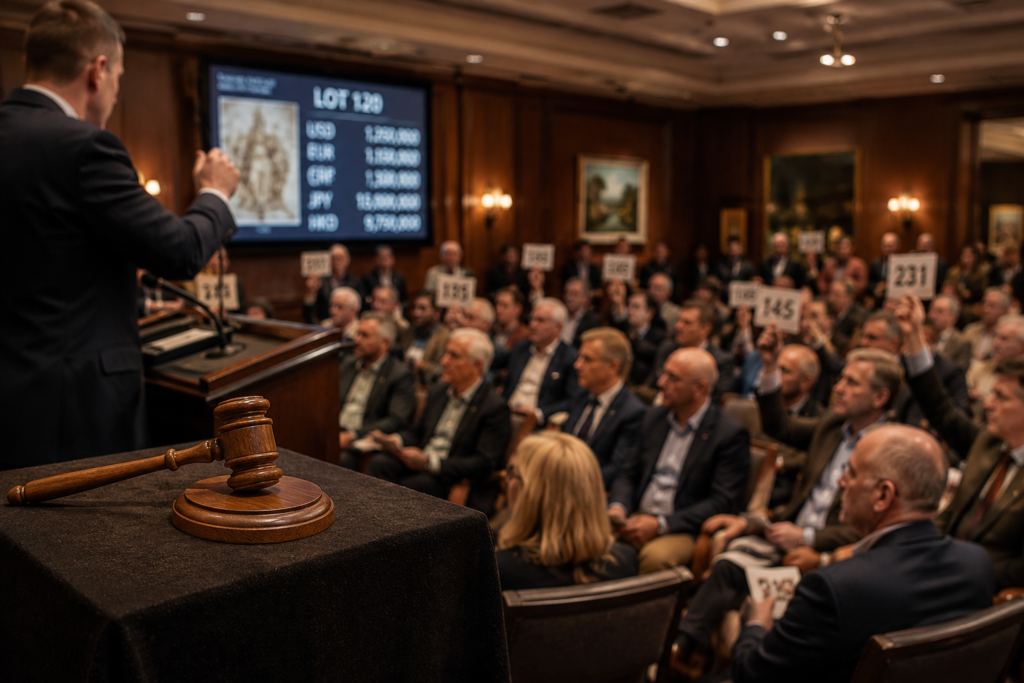
For genuinely rare or high-documented-value collectibles, an auction house like Heritage Auctions often outperforms any marketplace listing. Auction houses reach a global pool of serious, pre-qualified buyers and use competitive bidding to push prices toward true market value.
• Best for: documented rarities, graded key items, and full collections with real provenance
• Trade-off: consignment fees typically run 10 to 20 percent of the final sale price
• Timeline: auctions run on a fixed schedule, so expect weeks or months rather than an instant sale
If a coin shop, card dealer, or appraiser tells you an item is a recognized rarity, ask specifically whether it belongs in an auction rather than a direct sale. That single question can be worth thousands on the right item.
Selling Locally: Estate Sales, Consignment & Collector Shows
Not every collectible needs to ship across the country to sell well. Local options remain some of the fastest ways to turn a collection into cash.
Estate Sale Companies
The right choice for liquidating an entire household collection at once. Estate sale professionals price, stage, and sell everything over a weekend, typically for a percentage of total sales.
Consignment Shops
Specialty consignment shops for antiques, vintage clothing, or high-end collectibles handle the sale for you in exchange for a commission, usually without any upfront listing effort on your part.
Collector Shows and Conventions
Coin shows, card conventions, and antique fairs put you directly in front of motivated buyers and other dealers, often resulting in same-day cash sales for well-priced items.
Pawn Shops
The fastest option, but almost always the lowest offer, since pawn shops need room to resell at a profit. Reserve this option for when speed matters more than maximizing price.
How to Price Your Collectibles Before You List
Getting the price right before you list saves time and prevents both underselling and scaring off buyers with an unrealistic ask.
• Search sold and completed listings for the exact same item, condition, and grade
• Factor in grading or authentication costs against how much value they’d realistically add
• Price slightly above your target to leave room for negotiation on local and marketplace sales
• Recheck pricing periodically, since collectible values shift with trends, media coverage, and seasonal demand
Serious collectors often track resale trends the same way investors watch a market index, checking prices regularly rather than relying on a single snapshot. If that kind of ongoing price-tracking habit is new to you, our guide to FintechZoom’s S&P 500 tracking tools walks through how real-time index monitoring works, a useful mental model for watching price movement in any market, collectibles included.
Best Time to Sell a Collectible
Timing can move the final price on a collectible almost as much as the item’s actual condition, especially for categories tied to trends or commodity prices.
• Watch the trend, not a single price check: a value you looked up last month may already be outdated, particularly for coins tied to metal spot prices
• Sell trend-driven items near their peak: viral toys, licensed collaborations, and pop-culture memorabilia often see resale value spike shortly after release and cool off over time
• Hold genuinely rare items through short-term dips: numismatic and true rarity premiums move far more slowly than daily price swings, so there’s rarely a reason to rush a sale on a documented rarity
• List seasonally where it helps: holiday-adjacent collectibles and gift-worthy items typically sell faster and for more in the weeks before major holidays
Tips to Get the Best Price and Avoid Scams
• Always get two or three quotes before accepting an offer, especially for anything possibly rare
• Use a payment method with buyer protection, such as a marketplace’s built-in checkout or a credit card, rather than a direct bank transfer
• For local sales, meet in a public place, or ask to meet at a police department’s designated safe-exchange zone if one is available nearby
• Photograph condition and any authenticity markers before shipping, so you have proof if a dispute comes up later
• Be cautious of buyers who push urgency or ask to move the conversation off-platform immediately
Common Mistakes to Avoid When Selling Collectibles
• Cleaning or restoring an item before selling, which often strips original surfaces and lowers value rather than raising it
• Assuming age automatically means value, when rarity and condition matter far more than how old something is
• Skipping authentication on anything that could be a counterfeit, especially signed memorabilia and trending toys
• Accepting the first offer without researching sold comps first
• Ignoring platform fees, which can turn an apparently higher offer into a lower net payout once costs are subtracted
Frequently Asked Questions
What’s the best place to sell collectibles online?
It depends on the category, but eBay offers the broadest reach across nearly every type of collectible, while specialized platforms like Discogs for records or PWCC for graded cards typically get better prices within their specific niche.
How do I know if my collectible is actually valuable?
Check recent sold listings for the same item in similar condition, and cross-reference anything unusual against a price-research database. Rarity, condition, and current demand matter far more than age alone.
Should I get my collectible appraised before selling?
Only if you suspect it’s genuinely rare or high-value, since appraisal and grading fees can outweigh the value they add on common items. For anything you believe could be a key date, first edition, or documented rarity, an appraisal is usually worth the cost.
Do I need to pay taxes on collectibles I sell?
In the US, profit from selling a collectible for more than you originally paid can be taxable as a capital gain. Keep records of your purchase price and sale price, and check current IRS guidance or consult a tax professional for anything sold at a significant profit.
What’s the safest way to sell collectibles locally?
Meet in a well-lit public place, bring a friend if possible, and use a payment method that can’t be reversed after you hand over the item, such as cash counted on the spot.
How do auction house consignment fees work?
Auction houses typically take a percentage of the final sale price, often between 10 and 20 percent depending on the item’s value and the house’s policy. Higher-value items sometimes negotiate a lower rate.
Can I sell collectibles without grading or authenticating them first?
Yes, but expect lower offers, since buyers factor in the risk and cost of authenticating an item themselves. For anything above roughly $150 in estimated raw value, grading or authentication usually pays for itself in the final sale price.
What’s the difference between selling to a dealer and selling through an auction?
A dealer gives you a fast, guaranteed cash offer but typically pays below top market value, since they need room to resell at a profit. An auction can achieve a higher price through competitive bidding, but takes longer and comes with a consignment fee, making it the better fit for genuinely rare or high-value items rather than everyday pieces.
Is it better to sell a full collection at once or piece by piece?
Selling piece by piece through the right specialized platform for each item usually nets more money overall, since a single buyer for an entire collection will price in a bulk discount. Selling as a full lot makes sense when speed and convenience matter more than maximizing total value, such as with an estate sale or a large, mostly common-value collection.
Final Thoughts
Selling collectibles well comes down to matching the item to the right buyer pool. General marketplaces work for common items and fast sales, specialized platforms consistently pay more for niche categories, and auction houses are worth the consignment fee once an item is confirmed genuinely rare.
Take the time to research sold prices before you list anything, and don’t skip authentication on higher-value pieces. Explore more of Used Items Guide for city-by-city buying guides and category-specific resale advice, including our detailed breakdowns on checking silver coin value and buying (and reselling) Labubu figures.
