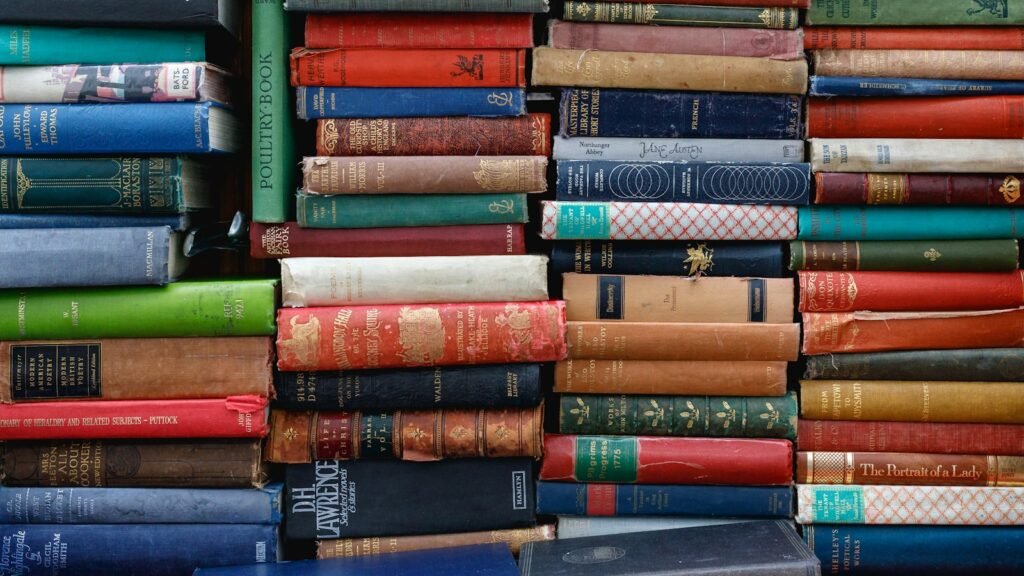
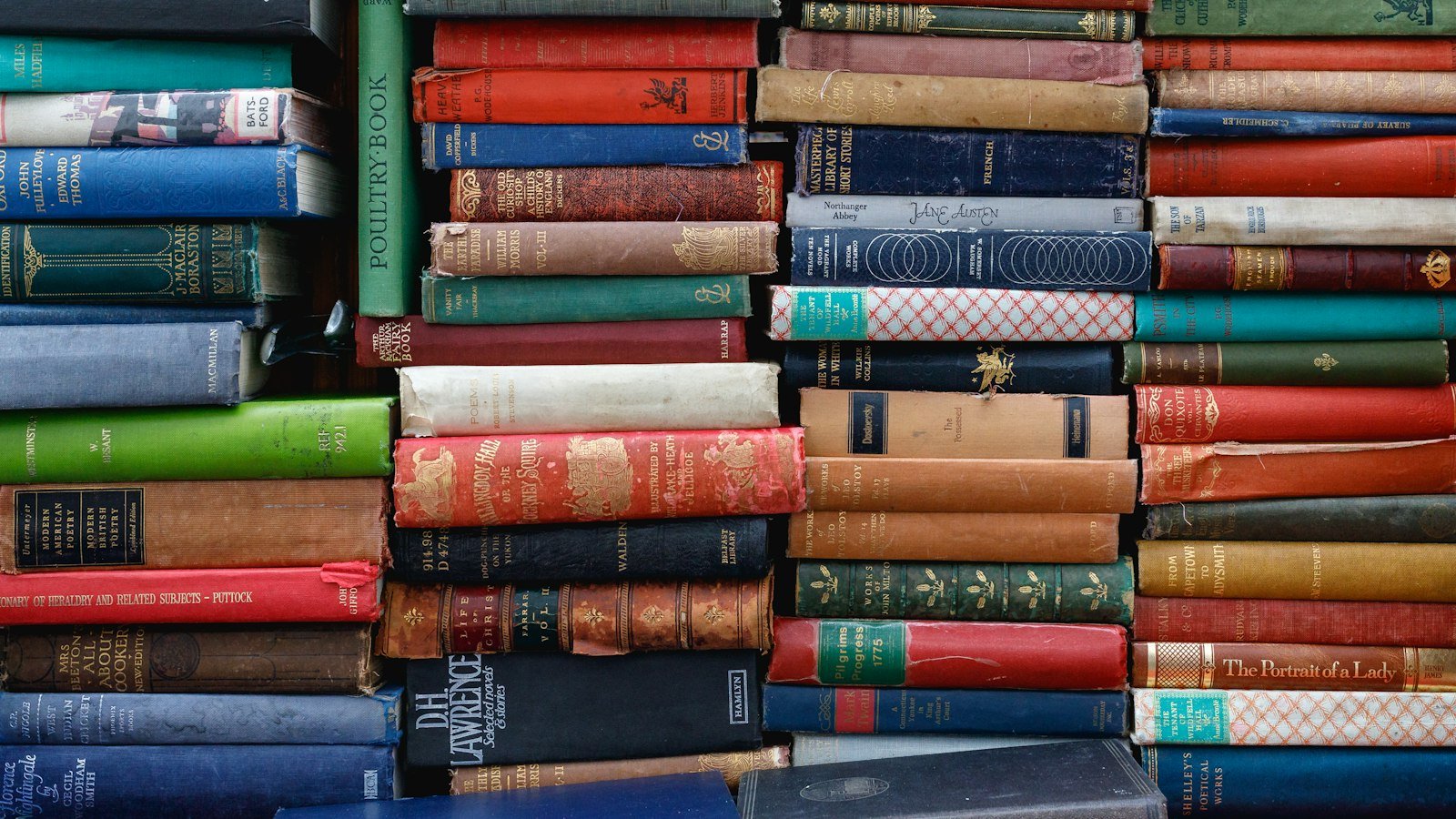
Bookshelves have a way of filling up: college textbooks you’ll never open again, cookbooks you’ve outgrown, a stack of novels you finished years ago. Some of those books are worth real money, while others are worth only a few cents. The trick is knowing which is which, and where each type of book sells best.
This guide covers where to sell used books for cash online and in person, how to check what your books are worth in seconds, which books sell best, and what to do with the ones nobody wants to buy. For more ways to turn clutter into cash, see our list of 30 things to sell to make money.
Key Takeaways
- Start with the ISBN: price comparison tools like BookScouter show offers from dozens of buyback vendors at once.
- Textbooks (current editions) usually pay the most; popular fiction usually pays very little.
- Buyback sites are easiest; Amazon and eBay can pay more for valuable books but take more work.
- Local stores like Half Price Books pay cash or store credit on the spot, though offers are often modest.
- Books that won’t sell can be donated to libraries, schools or charities, or recycled.
Table of Contents
How to Check What Your Books Are Worth
You don’t need to guess. Every modern book has an ISBN (International Standard Book Number), usually printed on the back cover above the barcode or on the copyright page. Most buyback sites let you type or scan the ISBN to get an instant offer.
- Use a price comparison tool first. BookScouter lets you search an ISBN and compare offers from more than 30 buyback vendors, then sell through whichever pays the most. It also has an app for scanning barcodes.
- Check eBay sold listings for older, rare or collectible books that don’t have an ISBN or don’t get buyback offers.
- Note the edition. For textbooks, the current edition matters a lot. Older editions often drop sharply in value once a new one comes out.
If a book’s best offer is only a dollar or two, it may be smarter to donate it rather than pay for your time and packaging.
Best Buyback Sites to Sell Books Online
Buyback sites buy your books directly. You get a quote, ship the books (usually with a free label), and get paid once they’re checked. It’s the easiest option for most people.
1. BookScouter (Price Comparison)
BookScouter isn’t a buyer itself; it’s a comparison tool that searches dozens of buyback vendors at once and shows you who pays the most for each ISBN. Payment depends on the vendor you choose. Start here before selling anywhere else.
2. Decluttr
Decluttr buys books along with CDs, DVDs, games and electronics. You scan or enter the barcode to get an offer. Orders must meet a minimum (at least $5 and a minimum number of items), and payment is by direct deposit or PayPal. It’s well suited to clearing out a mix of media at once.
3. World of Books
Enter your ISBNs for instant quotes, then pack and ship your books with a free prepaid label. You’re paid by check or PayPal after the books are checked for condition.
4. BooksRun
BooksRun gives quotes by ISBN and offers free shipping. It reports paying by check or PayPal within a few days of receiving your books, which makes it a good option for textbooks and nonfiction.
5. Valore Books
Valore focuses on textbooks. Enter an ISBN for a quote; Valore covers shipping to its warehouse and pays by check or PayPal.
6. Bulk Buyers (Cash4Books and Similar)
If you’re clearing out a large library, some buyers specialize in bulk lots and mainly want nonfiction and academic titles. Cash4Books, for example, reviews photos of large collections (hundreds of books) and makes an offer.
Online Marketplaces: Sell Directly to Readers
Marketplaces let you set your own price and sell to the final reader, which can pay much more than buyback sites for books with real demand. The trade-off is more work: listing, answering questions, packing and shipping.
7. Amazon
Amazon has a huge audience of book buyers. You’ll need a seller account, and you can ship books yourself or send them to Amazon’s warehouses. The Individual plan charges a per-item fee on each sale (99 cents per unit, according to BookScouter) plus Amazon’s other selling fees, which makes it best for books worth more than a few dollars rather than a small pile of cheap paperbacks.
8. eBay
eBay is the best online option for rare, collectible, vintage and signed books, as well as special editions and out-of-print titles that buyback sites won’t price well. Auctions can push prices up when several collectors want the same book. You’ll pay a final value fee when an item sells.
9. AbeBooks
AbeBooks is a marketplace focused on rare, antiquarian and collectible books, and it’s where many serious book collectors shop. If you have truly valuable books, it’s worth comparing AbeBooks listings to understand their market value, even if you sell elsewhere.
10. Facebook Marketplace, Mercari and Reader Apps
Local marketplaces and apps like Mercari work well for boxed sets, nice cookbooks, children’s book bundles and series collections. Reader-to-reader apps such as PangoBooks are popular for fiction. Bundling books by series, author or age group helps them sell faster.
Places to Sell Books Locally
11. Half Price Books
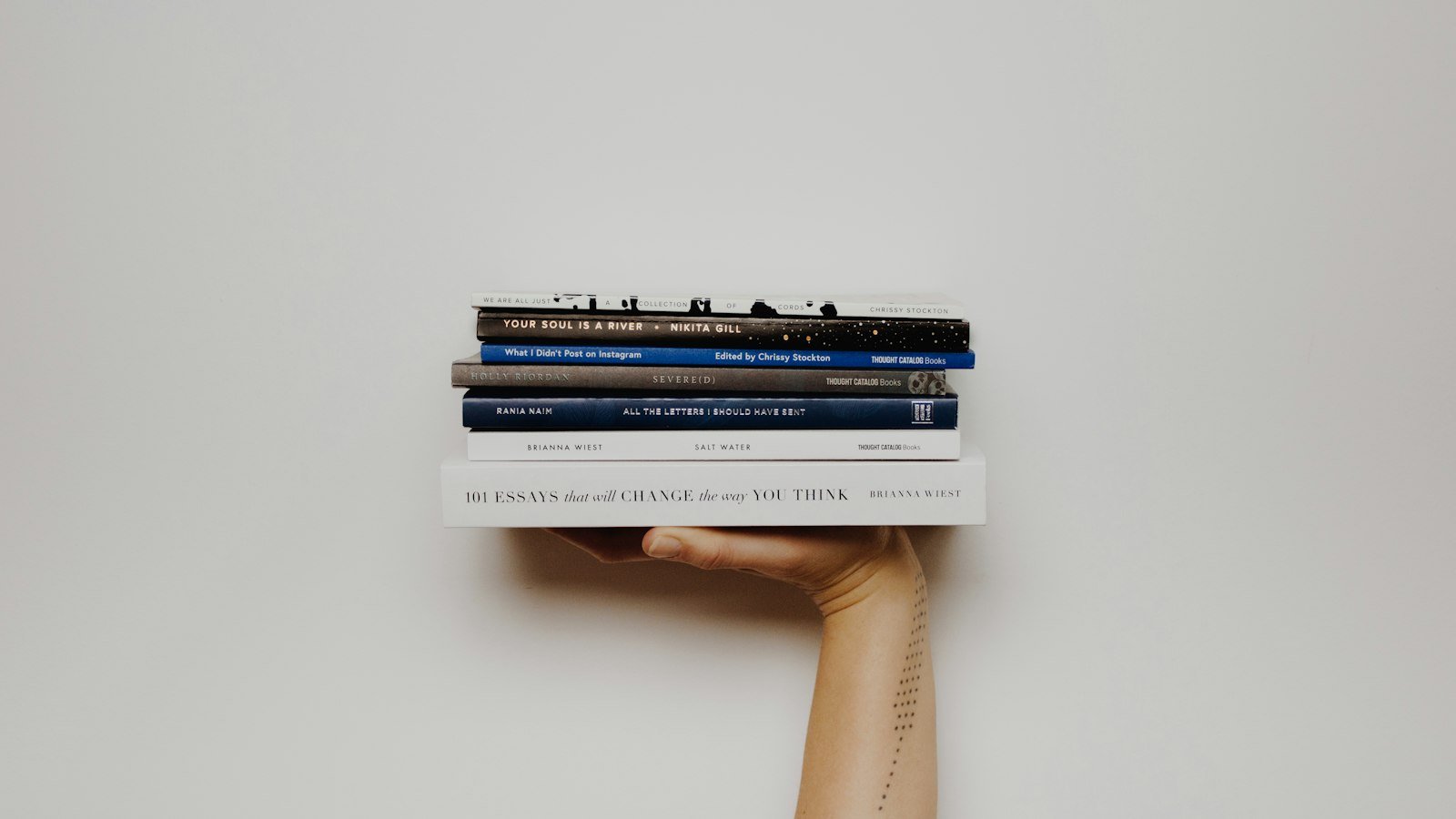
Half Price Books buys books, music, movies and games in its stores. Staff review your books for condition and demand, then make an offer in cash or store credit. Offers can be modest, but it’s a fast way to clear many books at once. You’ll need a government-issued ID, and sellers must be 18 or accompanied by a parent or guardian.
12. Powell’s Books
Powell’s, the famous Portland bookstore, buys books in excellent condition. You can get an online quote by ISBN and ship them, or sell in person; in-store sales are often paid in store credit. Powell’s is selective, so it’s best for clean, in-demand titles.
13. Independent and Used Bookstores
Many local used bookstores buy books for cash or store credit. Each store has its own needs, so call or email first, especially for children’s books. Well-known shops like The Strand in New York City buy in person.
14. Second & Charles and Other Chains
Some regional chains offer quick cash or trade credit for bulk lots of books, games and media. They’re convenient if one is nearby.
15. Garage Sales and Library Sales
Garage sales are fun and clear space, but books typically sell for very little at them. They’re best for low-value books you just want gone.
Where to Sell Textbooks
Textbooks are usually the most valuable used books, but their value depends heavily on timing and edition.
- Compare buyback offers first. Search the ISBN on BookScouter to see what textbook buyers like BooksRun, Valore, TextbookRush and others are offering.
- Check retailer buyback programs. Barnes & Noble’s textbook buyback gives quotes by ISBN; it requires at least $10 worth of books to participate.
- Try your campus bookstore. It usually pays the most when it needs that book for upcoming classes, often near the start of a semester.
- Sell directly to students. Campus Facebook groups and marketplaces can pay more than buyback, especially for required course books.
- Sell quickly after your course ends. Medical, nursing and law books in particular lose value fast when a new edition is released.
Selling other dorm or apartment items at the end of the semester? See how to sell furniture fast and where to sell used electronics.
Comparison Table: Where to Sell Used Books
| Option | Best For | How You Get Paid | Effort |
|---|---|---|---|
| BookScouter | Comparing offers from 30+ buyers | Depends on vendor | Very low |
| Decluttr | Mixed books, CDs, DVDs and games | Direct deposit or PayPal | Low |
| World of Books | Everyday books, children’s titles | Check or PayPal | Low |
| BooksRun / Valore | Textbooks and nonfiction | Check or PayPal | Low |
| Amazon | Higher-value books with demand | Bank deposit | High |
| eBay / AbeBooks | Rare, collectible, signed books | Marketplace payout | High |
| Half Price Books | Clearing many books fast | Cash or store credit | Low |
| Powell’s / indie stores | Clean, in-demand titles | Cash or store credit | Low to medium |
| Campus bookstore | Current textbooks | Varies | Low |
Which Books Sell Best?
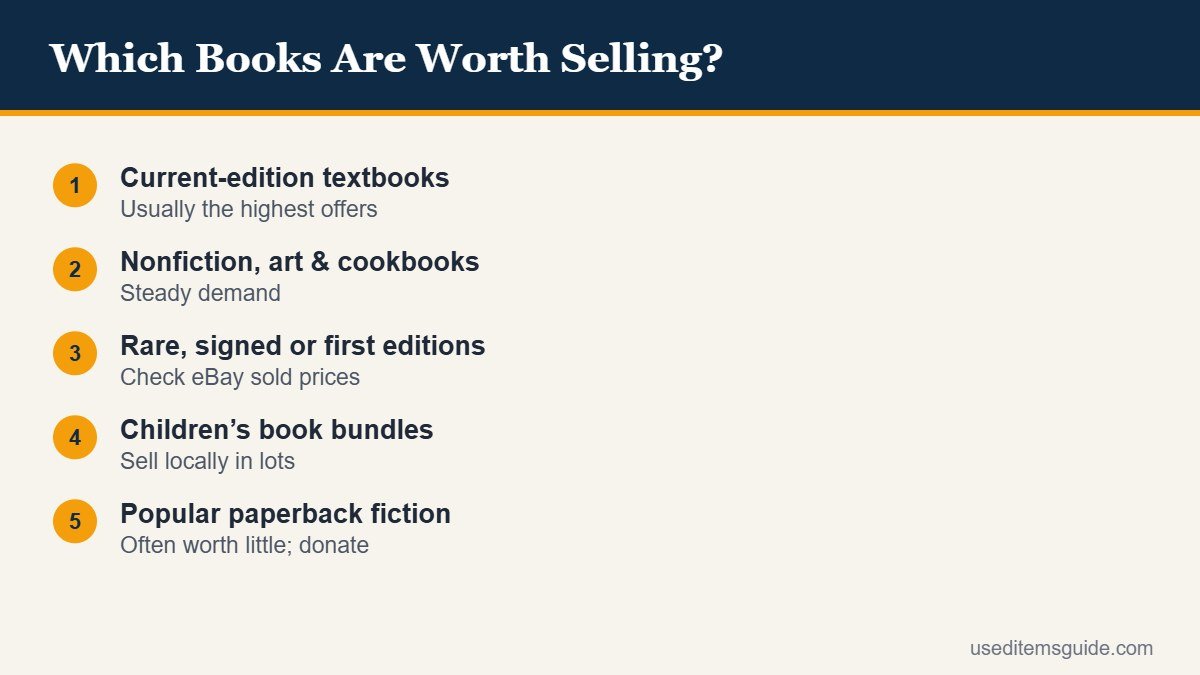
Some categories consistently earn more than others:
- Current-edition textbooks: The most profitable category, especially for science, medicine, nursing, law, business and engineering.
- Nonfiction and professional books: Technical manuals, test-prep books and specialist subjects often have steady demand.
- Cookbooks and art books: Clean, high-quality copies can sell well; condition matters a lot.
- Rare and collectible books: First editions, signed copies, out-of-print titles and early printings of famous works can be valuable.
- Children’s book bundles: Sets in good condition sell well locally to parents.
- Comics and graphic novels: Key issues and complete runs have dedicated collector buyers.
Books that usually earn very little include mass-market paperbacks, popular bestsellers that sold millions of copies, outdated textbook editions, and anything with water damage, heavy highlighting, missing pages or a broken spine.
How to Spot a Valuable Book
- Check the copyright page for “First Edition” or a number line that ends in 1.
- Look for author signatures, inscriptions from notable people, or limited-edition markings.
- Older books in good condition with dust jackets are worth far more than those without.
- Search the exact title, edition and year in eBay sold listings and on AbeBooks.
- For potentially valuable collections, consider an appraisal from a rare book dealer. Our guide on how to find the value of collectibles explains how to research prices.
Tips to Get More Money for Your Books
- Scan every ISBN. A single valuable textbook can be worth more than a whole box of novels.
- Describe condition honestly. Buyback vendors inspect books and can lower or reject offers if condition is overstated.
- Clean and protect your books. Wipe covers, remove stickers carefully and pack books snugly so they don’t get damaged in shipping.
- Factor in shipping. Use vendors that provide free labels, or make sure the offer is still worth it after postage.
- Time it right. Sell textbooks near the start of a semester and children’s bundles around back-to-school and spring cleaning.
- Split your pile. Send textbooks to buyback sites, list rare or collectible books on eBay, and take the rest to a local store or donate them.
- Bundle slow sellers. Series, boxed sets and themed lots sell faster than single low-value books.
What to Do With Books That Won’t Sell
Not every book will find a buyer, and that’s okay. Here are good options for the leftovers:
- Libraries: Many public libraries accept donations for their shelves or “Friends of the Library” book sales.
- Little Free Libraries: Neighborhood book-sharing boxes are a simple way to pass books along.
- Schools, hospitals and shelters: Children’s books are especially welcome at schools and children’s hospitals.
- Thrift stores and charities: Goodwill, churches and many charities accept book donations; keep a receipt if you itemize deductions.
- Books to Prisoners programs: These groups send donated books to people in correctional facilities.
- Recycling: Paperbacks can usually be recycled; hardcovers often need the binding removed first. Check your local recycling rules.
Frequently Asked Questions
Where can I sell used books for the most money?
For textbooks and in-demand nonfiction, compare buyback offers with BookScouter and sell to the highest bidder. For rare, collectible or signed books, eBay and AbeBooks usually pay the most. Local stores like Half Price Books are fastest but often pay less.
How do I find out how much my books are worth?
Enter or scan each book’s ISBN into a comparison tool like BookScouter to see current buyback offers. For older or rare books, check eBay sold listings and AbeBooks for the same edition.
Is it worth selling used books?
Yes for textbooks, valuable nonfiction and collectible books. Common paperback fiction is often worth only cents, so it may be better to donate or trade it unless you’re selling a large bundle.
Where can I sell books for cash near me?
Try Half Price Books, independent used bookstores, campus bookstores and regional chains that buy books. Call ahead to ask what they’re buying and whether they pay cash or store credit.
Does Half Price Books pay cash for books?
Yes. Half Price Books makes offers in its stores and pays in cash or store credit. You’ll need a government-issued ID, and sellers under 18 must be accompanied by a parent or guardian.
What books are worth the most money?
Current textbooks, first editions, signed copies, out-of-print titles, early printings of famous books, and rare or specialized nonfiction are typically worth the most. Condition and dust jackets matter a lot for collectible books.
Can I sell books on Amazon?
Yes. You’ll need an Amazon seller account, and fees apply on each sale. It works best for books with steady demand that sell for more than a few dollars.
Final Thoughts
Selling used books is easy once you sort them. Scan every ISBN and send textbooks and valuable nonfiction to the highest buyback offer, list rare or collectible books on eBay or AbeBooks, take a box of clean titles to a local bookstore, and donate the rest. You’ll clear your shelves, earn some cash and give your books a second life. Got other things to sell? Check out where to sell gift cards for cash and where to sell gold jewelry for the most money.
