





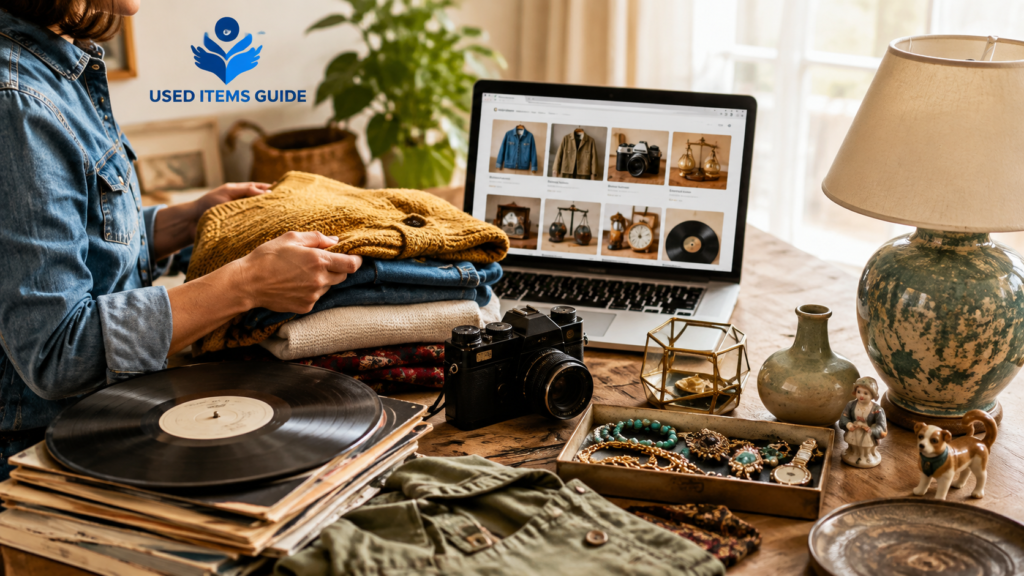
Selling vintage items online can turn things you no longer use into extra income, but choosing the right marketplace can make a big difference. A vintage lamp, record, camera, handbag, toy, piece of furniture, or collectible may attract very different buyers depending on where you list it. The best place to sell is usually the one that matches the item’s category, value, condition, and the kind of buyer you want to reach.
If you are starting with several pieces, begin with our broader guide to where to sell vintage items. It can help you understand the selling process before you choose a specific platform.
This guide focuses on online options available to U.S. sellers in 2026. You will learn which marketplaces are useful for vintage clothing, collectibles, handmade or design-focused pieces, general secondhand goods, and higher-value items. You will also learn how to prepare listings, price items, avoid common mistakes, and choose the right platform for each type of vintage item.
Quick Answer: Where Should You Sell Vintage Items Online?
There is no single marketplace that is best for every vintage item. Your choice should depend on what you are selling and how much work you are willing to put into the listing.
· Etsy: A strong choice for vintage goods that fit its vintage marketplace rules, especially clothing, home décor, jewelry, accessories, and distinctive collectibles.
· eBay: Useful for a broad range of vintage products, including collectibles, electronics, toys, cameras, records, tools, and items with an identifiable market.
· Facebook Marketplace: Helpful for larger vintage items, local sales, furniture, décor, and products where avoiding shipping can simplify the transaction.
· Ruby Lane: Worth considering for antiques, collectibles, jewelry, art, and other specialty vintage goods when you want a focused collector audience.
· Mercari: A convenient option for everyday secondhand and vintage pieces when you want a relatively simple listing experience.
· Specialty marketplaces or niche communities: Often best when an item has a very specific collector audience and buyers care about exact models, editions, makers, or provenance.
What Makes a Marketplace Good for Vintage Items?
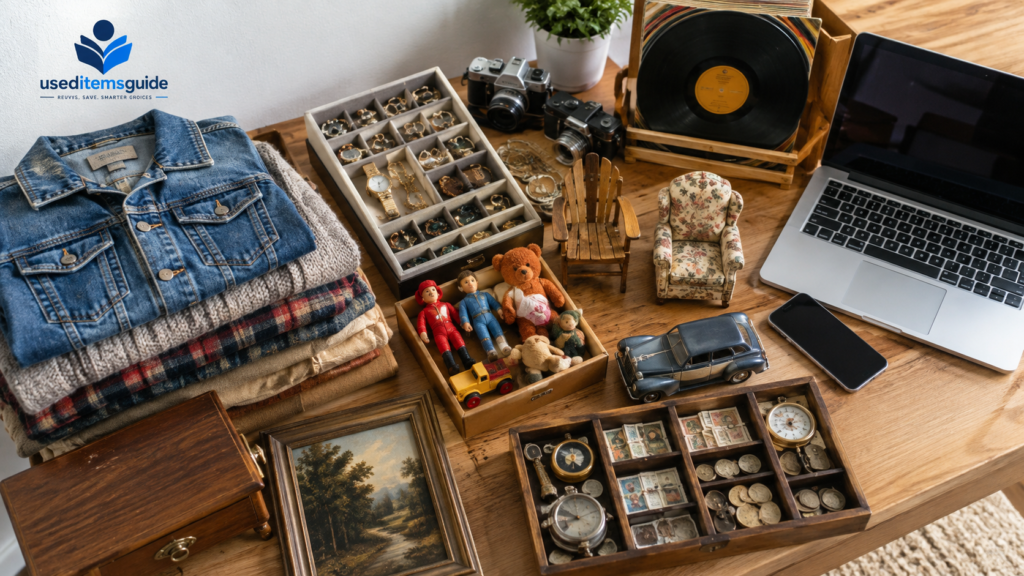
A good vintage marketplace does more than give you a place to upload photos. It should help your item reach people who understand its value. A general marketplace can produce a lot of views, but a specialized audience may be more willing to pay for a rare maker, original condition, unusual color, older production run, or hard-to-find model.
Before listing, consider five things: audience, fees, shipping, competition, and trust. An inexpensive platform is not always the most profitable if your listing receives little attention. Likewise, a platform with more fees can still make sense if it brings serious buyers and helps you sell at a higher price.
1. Etsy: Best for Many Vintage Styles and Design-Focused Items
Etsy is one of the first marketplaces many sellers consider when they have vintage clothing, jewelry, accessories, home décor, craft-related vintage supplies, and other distinctive pieces. Its audience is already accustomed to browsing for unique and visually interesting products, which can be an advantage over a general classified site.
The important point is eligibility. Etsy defines vintage items according to its marketplace rules, so sellers should confirm that an item qualifies before creating a listing. Do not describe a newer reproduction as vintage simply because it has a retro style.
Etsy works especially well when:
· The item is visually distinctive and photographs well.
· The product has a clear style, era, material, maker, or design story.
· You can write a detailed but easy-to-scan description.
· You are willing to package and ship individual orders.
For better results, use the most accurate category and attributes available. Include measurements, materials, visible flaws, maker information, and any useful date or era evidence you have. Avoid making claims about age or authenticity that you cannot support.
2. eBay: Best for Broad Vintage Categories and Collectibles
eBay is a strong option when your vintage inventory covers many different categories. Sellers can find buyers for collectibles, electronics, toys, cameras, records, books, clothing, tools, sports memorabilia, and many other used products.
One major advantage is the amount of marketplace data available through completed and sold listings. Instead of guessing what an item is worth, sellers can research similar products and see what buyers have actually paid. That information is especially useful when an item has a model number, edition, brand, year, or other identifying detail.
eBay can be a particularly good fit for items where condition and exact specifications matter. Take clear photographs of labels, serial or model information when appropriate, defects, accessories, and packaging. If the item has a known variation, state it clearly rather than relying on a broad title.
3. Facebook Marketplace: Best for Local Vintage Sales
Facebook Marketplace can be practical for vintage furniture, mirrors, lamps, décor, large collections, and other items that are expensive or inconvenient to ship. A local buyer can inspect the item and take it home, which can remove packing and carrier costs from the sale.
Local selling also means your listing needs to make location and pickup expectations clear. State whether pickup is required, whether delivery is available, and whether the item is located upstairs, outdoors, or in another situation that affects loading.
Use sensible safety practices for local transactions. Keep communication on the platform when possible, choose a safe meeting arrangement, and be cautious about unusual payment requests, overpayment schemes, or requests to move quickly outside normal marketplace procedures.
4. Ruby Lane: Best for Specialty Vintage and Antique Buyers
Ruby Lane is designed around antiques, vintage collectibles, jewelry, art, dolls, and other specialty merchandise. It can make sense when you want your listing to appear in an environment where shoppers are already looking for collectible and antique goods.
This type of marketplace rewards accurate information. A collector may care about the maker, production period, materials, markings, dimensions, provenance, restoration, and condition. If you have documentation or photographs that help establish those details, include them where appropriate.
5. Mercari: Best for Simple Secondhand Listings
Mercari can be useful for sellers who want a straightforward way to list individual secondhand and vintage items. It can work well for clothing, accessories, small home goods, toys, and other products that are easy to photograph, describe, pack, and ship.
Because buyers often compare similar listings quickly, your first photo, title, price, and condition information matter. A clean listing can help a buyer understand what they are getting without sending several messages to ask basic questions.
6. Specialty Marketplaces Can Beat General Marketplaces
Sometimes the best place to sell a vintage item is not one of the largest general marketplaces. A niche community can be more valuable when buyers have specialized knowledge and are actively searching for a particular type of item.
Examples include vintage watches, rare books, vinyl records, classic cameras, designer clothing, antique jewelry, sports memorabilia, and highly specific collectibles. Before choosing a niche platform, check its current seller requirements, fees, audience, payment process, and rules.
If you also sell collectibles, our guide to the best online marketplaces to sell collectibles can help you compare options more specifically.
How to Choose the Right Platform for Your Vintage Item
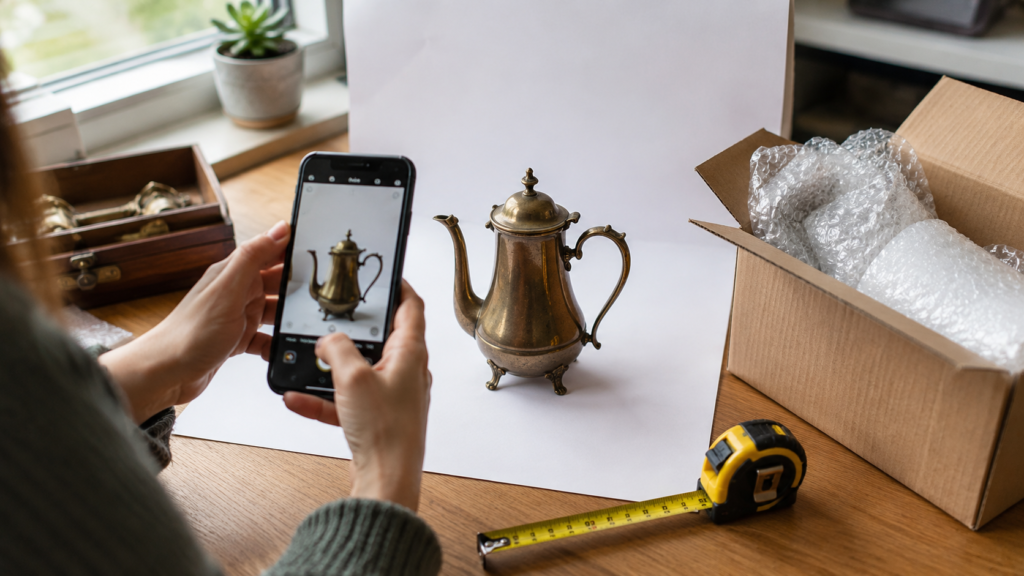
Do not automatically put every item on the same marketplace. A better approach is to match the platform to the product and buyer.
| Item Type | Good Starting Point | Why |
| Vintage clothing & accessories | Etsy, eBay | Strong visual shopping and broad buyer demand |
| Vintage furniture | Facebook Marketplace | Local pickup can reduce shipping problems |
| Collectibles | eBay, specialty marketplaces | Buyers often search by exact item details |
| Antiques & specialty décor | Ruby Lane, Etsy | Focused audiences value design and history |
| Small everyday vintage goods | Mercari, eBay | Easy listing and shipping |
| Rare niche items | Specialty marketplaces | Specialized buyers may understand the value better |
How to Research a Vintage Item Before You List It
The biggest pricing mistake is treating an old item as automatically valuable. Age can matter, but demand, condition, rarity, brand, completeness, and current buyer interest often matter just as much.
1. Look for maker marks, labels, model numbers, dates, signatures, and other identifying information.
2. Search for the exact or closest comparable item rather than using a broad search such as ‘old lamp.’
3. Check sold or completed listings where the marketplace provides them.
4. Compare condition honestly. A repaired or incomplete example may sell for much less than an original example in excellent condition.
5. Check whether accessories, original packaging, manuals, certificates, or matching pieces affect the value.
6. Record your research so you can explain your asking price if a buyer has questions.
How to Price Vintage Items for Online Sale
A realistic asking price should be based on evidence rather than emotion. You may have a personal connection to an item, but buyers usually focus on what the product is worth to them today.
Start with comparable sold items. Then adjust for condition, completeness, rarity, brand, shipping cost, and platform fees. If there are no good comparisons, use several sources and treat asking prices as clues rather than proof of value.
If you are comfortable negotiating, you can price slightly above your minimum acceptable amount. But avoid pricing far above the market just because an item is old. An unrealistic price can leave a listing sitting for months.
How to Create a Vintage Listing That Gets Attention
Write a Specific Title
Include the words a real buyer would use to find the item. A useful title may include the item type, maker or brand, model, era when supportable, color, material, and important identifying details. Avoid stuffing every possible keyword into the title.
Use Clear Photos
Photos are especially important for vintage products because condition can change the buyer’s decision. Use good natural or even lighting, a clean background, and multiple angles. Photograph labels, marks, hardware, stitching, signatures, damage, repairs, and other details that affect value.
Describe Condition Honestly
Vintage buyers expect some age-related wear, but they still need to know what they are buying. State scratches, stains, fading, chips, cracks, missing parts, repairs, odors, electrical concerns, and other meaningful defects.
Add Measurements
Measurements reduce uncertainty and can prevent unnecessary returns. For clothing, include relevant garment measurements. For furniture and décor, provide height, width, depth, and other dimensions that affect fit or transport.
Shipping Vintage Items Without Damaging Them
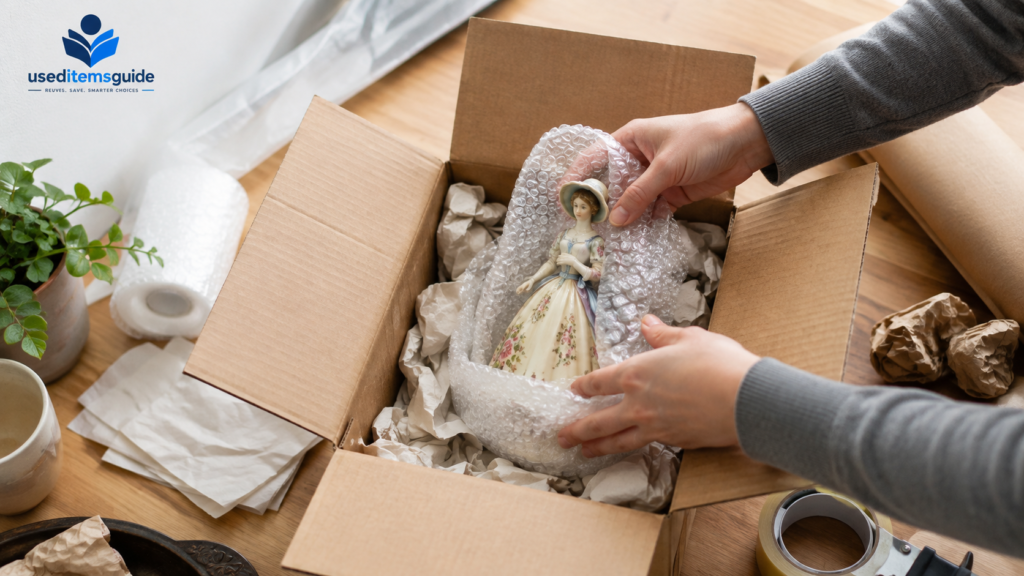
Shipping can turn a profitable vintage sale into a loss if an item arrives damaged. Before listing, estimate the package size and weight and choose packaging based on the item’s weakest points.
· Wrap fragile surfaces separately and prevent movement inside the box.
· Use enough cushioning to absorb normal handling.
· Protect corners, handles, glass, and protruding parts.
· Use a strong box that fits the item rather than leaving large empty spaces.
· Keep photographs of the item’s condition and packaging process for your records.
· For unusually fragile, oversized, or valuable pieces, compare shipping options before accepting an order.
How to Sell Vintage Items Safely
Online selling has risks, but a few basic habits can reduce avoidable problems. Use the marketplace’s normal payment and communication systems when possible. Be cautious if someone asks you to pay a fee to receive money, sends an unexpected payment and asks for a refund, pressures you to use an unusual payment method, or asks for sensitive account information.
For local pickup, meet in a sensible public location when practical and follow the marketplace’s safety recommendations. For expensive items, consider whether the transaction method provides enough documentation and protection for both sides.
Common Mistakes When Selling Vintage Items Online
· Calling an item vintage without confirming its age or marketplace eligibility.
· Using one blurry photograph and expecting buyers to trust the condition.
· Hiding defects that will be obvious when the buyer receives the item.
· Pricing from unsold listings instead of researching completed sales.
· Ignoring shipping costs until after the item sells.
· Writing a vague title such as ‘beautiful old collectible’ without useful identifying terms.
· Putting every item on one marketplace instead of matching the product to its audience.
· Making unsupported claims about authenticity, rarity, designer status, or historical significance.
Should You Sell Vintage Items Yourself or Use a Professional?
Self-listing usually gives you more control over the price and presentation, but it takes time. You need to photograph items, research them, answer messages, package orders, and handle customer service.
Professional help may make sense for a large collection, very high-value pieces, or items that require specialized knowledge. Before handing over inventory, understand the commission, fees, marketing responsibilities, insurance, payment timing, and what happens to unsold items.
A Simple 2026 Strategy for Selling a Vintage Collection
7. Sort your items by category, value, size, and condition.
8. Identify makers, models, dates, materials, and other useful details.
9. Research comparable sold items and set a realistic price range.
10. Choose a marketplace based on the buyer, not just the platform’s popularity.
11. Create strong photos and an accurate title.
12. Write a concise description that covers condition, measurements, history when known, and included accessories.
13. Calculate fees and shipping before finalizing your price.
14. Track views, offers, sales, and buyer questions so you can improve future listings.
15. If an item does not sell, review the price, photos, title, and marketplace before simply reposting it unchanged.
How to Decide Where to List a High-Value Vintage Item
Higher-value vintage pieces deserve a little more research before you publish the listing. A buyer spending several hundred dollars or more may want stronger evidence about authenticity, condition, measurements, ownership history, and what is included. That means the platform you choose should support detailed descriptions, clear photographs, reliable payment procedures, and an audience that understands the category.
Start by identifying the item as precisely as possible. A brand name alone may not be enough. Look for model numbers, date codes, maker marks, signatures, labels, edition numbers, construction details, or other clues. For designer or collectible products, compare those details with reputable references before making an authenticity claim.
· Use multiple close-up photographs for important marks and condition details.
· Keep records of your research, including comparable sales and any supporting documentation.
· Avoid describing an item as rare, original, first edition, or authentic unless you have a reasonable basis for the claim.
· Consider insurance or other appropriate protection when shipping an unusually valuable item.
· Read the marketplace’s current seller protection, return, payment, and prohibited-item rules before accepting an expensive order.
What to Do When a Vintage Item Does Not Sell
An unsold listing does not always mean there is no demand. First, look at the listing as a buyer would. Is the first photograph strong? Does the title identify the item clearly? Are the measurements easy to find? Did you disclose flaws? Is the price supported by comparable sales? Is shipping reasonable?
Make one change at a time when possible. For example, improve the main photograph first and watch the response. If views are high but offers are low, price or condition may be the issue. If views are very low, the title, category, photographs, or marketplace may need attention. This simple process gives you better information than repeatedly reposting the same listing without changing anything.
Useful Marketplace Resources
Before publishing, review the official marketplace information for current fees, seller requirements, listing rules, and buyer protections. You can check Etsy, eBay, Facebook Marketplace and Ruby Lane directly. Rules and fees can change, so the official marketplace pages are the best place to confirm current requirements.
Frequently Asked Questions
What is the best website to sell vintage items?
There is no universal best website. Etsy can be a strong fit for many vintage and design-focused goods, eBay is useful for broad categories and collectibles, Facebook Marketplace is practical for local sales and furniture, and specialty marketplaces can work better for niche collector products.
Is Etsy good for selling vintage items?
It can be, especially for qualifying vintage clothing, jewelry, décor, accessories, and other visually distinctive goods. Always check Etsy’s current vintage eligibility rules before listing.
Is eBay good for vintage collectibles?
Yes. eBay’s broad audience and search-driven marketplace make it useful for many collectibles, especially when you can identify the exact maker, model, edition, or variation.
Where should I sell large vintage furniture?
A local marketplace such as Facebook Marketplace can be a practical starting point because buyers can arrange pickup. For valuable or unusual furniture, you can also investigate specialty dealers or marketplaces.
How do I know what my vintage item is worth?
Research comparable sold items, not only active asking prices. Compare age, maker, condition, completeness, rarity, and demand before setting your price.
Should I clean a vintage item before selling it?
Only clean it in a way that is safe for the material and does not remove original finishes or evidence that collectors value. When uncertain, research the item first or ask a qualified specialist.
What makes a vintage item valuable?
Value can be influenced by demand, rarity, maker, age, condition, originality, completeness, provenance, and current collector interest. Being old alone does not guarantee a high price.
Final Takeaway
The best place to sell vintage items online in 2026 depends on the item you have, the buyer you want, and the selling experience you prefer. Use Etsy when the product fits its vintage-focused audience, eBay when you need broad reach and strong category coverage, Facebook Marketplace when local pickup makes sense, and specialty platforms when your item needs a focused collector audience.
The most important step is not choosing the biggest marketplace. It is creating an accurate, useful listing that helps the right buyer understand exactly what you are offering. Research the item, price from real market evidence, show its condition clearly, and choose the platform where buyers are most likely to appreciate it.
For more guidance, visit the Used Items Guide homepage. If you are looking for specific selling ideas, see our guide to where to sell vintage items and explore online marketplaces for collectibles.
