


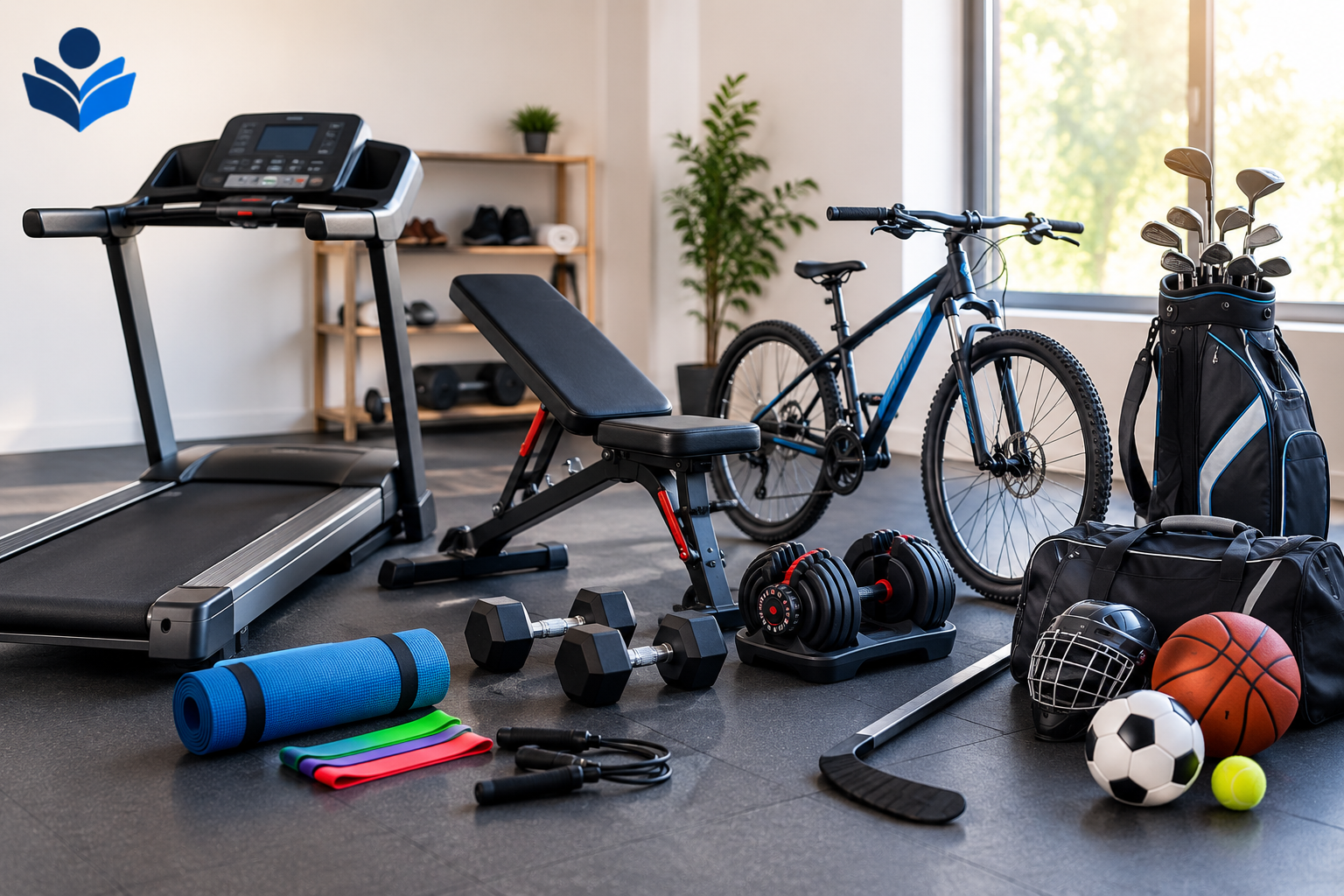
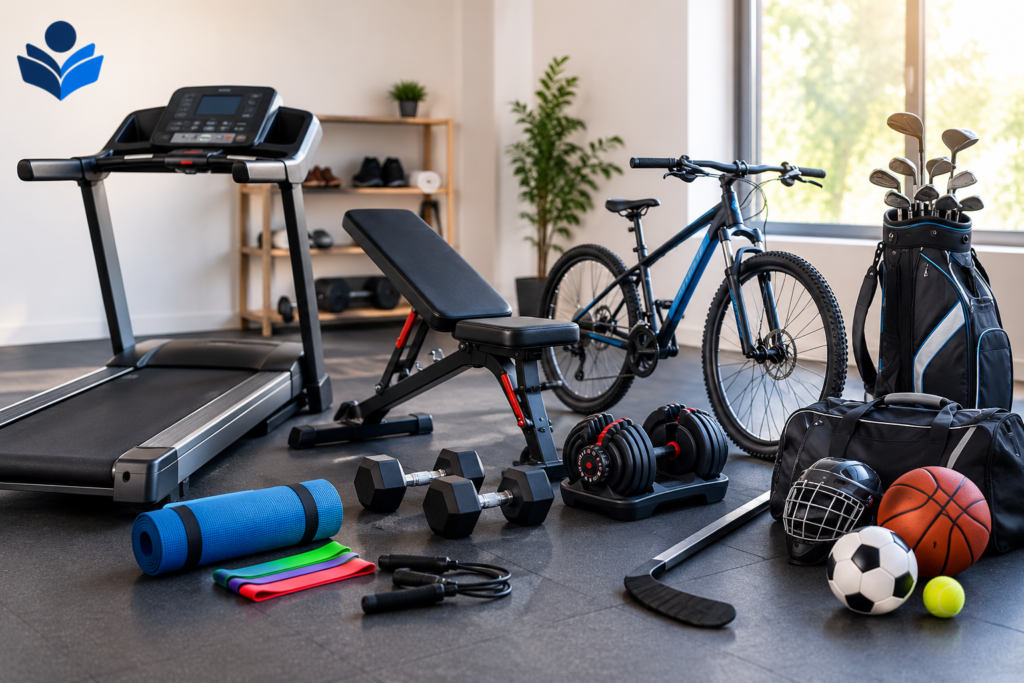
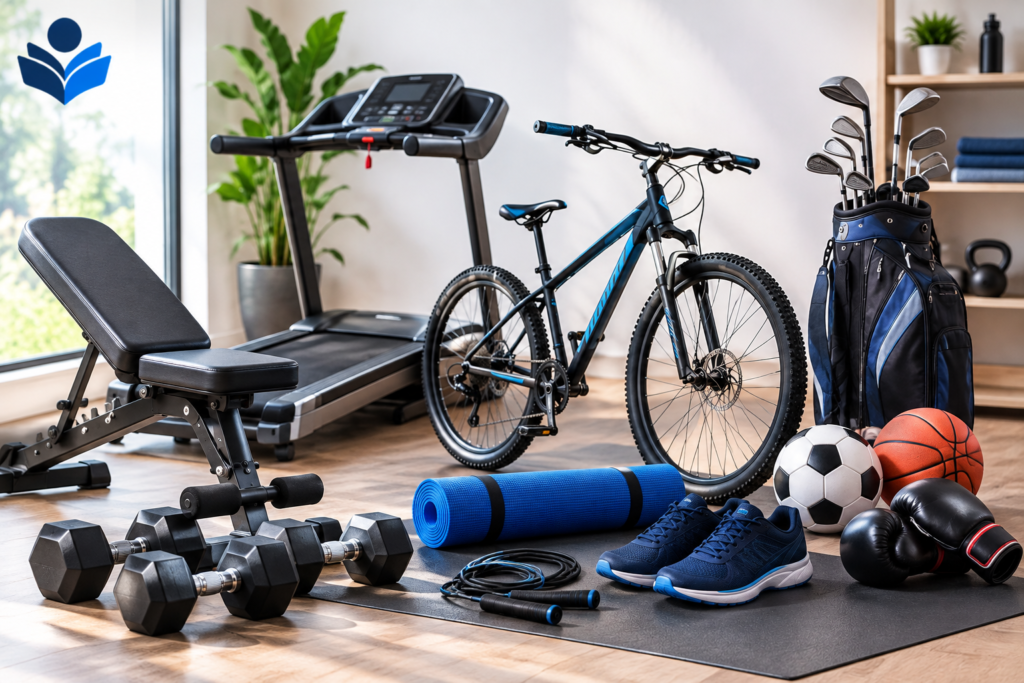
Garages, basements, and closets across the country are quietly stacked with barely-touched treadmills, golf club sets, hockey bags, and yoga mats — gear bought with good intentions that never quite became a habit. Maybe the home gym plans changed, the kids outgrew their bikes, or a new sport simply replaced an old one. Whatever the reason, that equipment is worth far more sitting in someone else’s garage than yours.
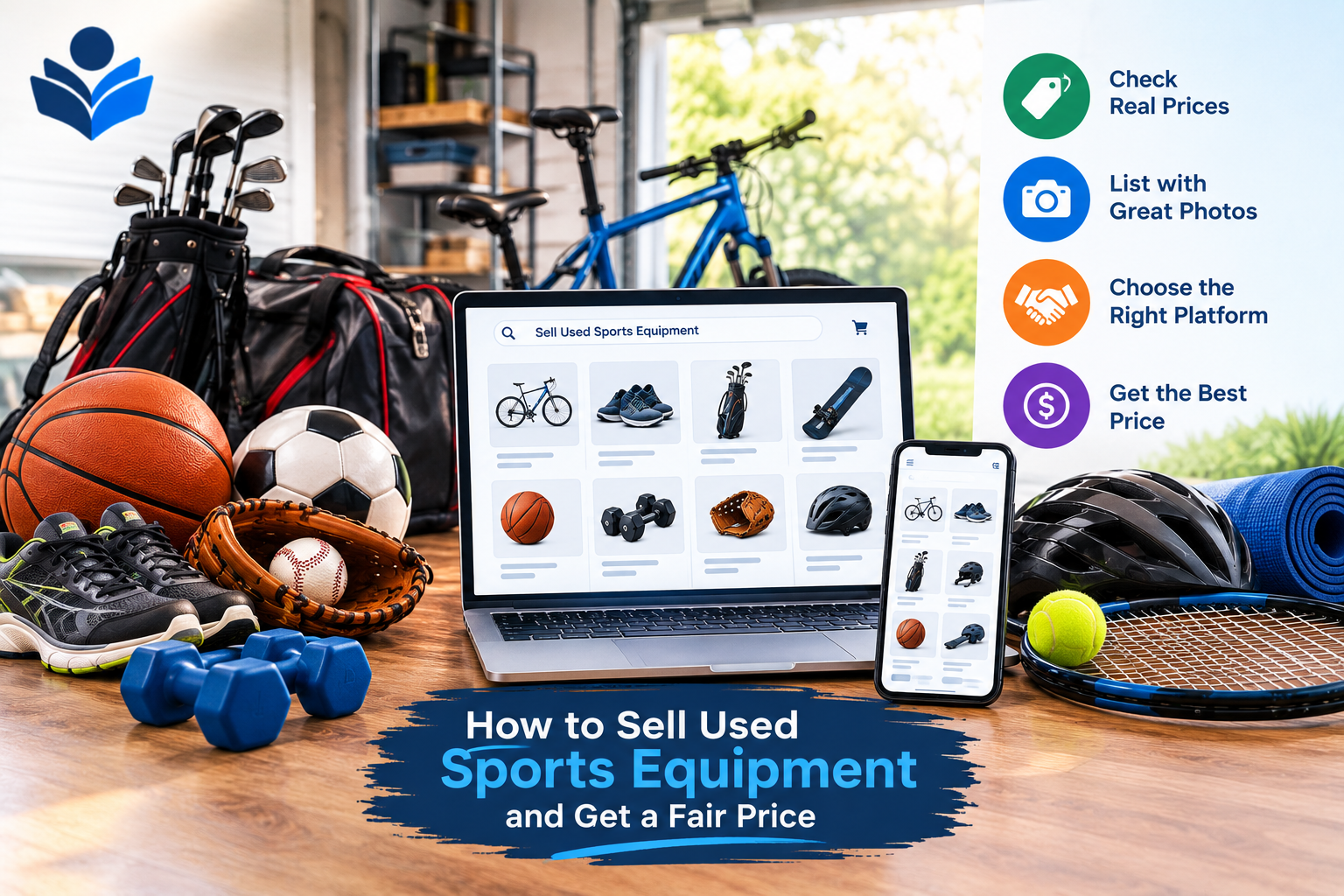
The good news is that used sporting goods are one of the more forgiving resale categories. Most items are lightly used, well-built to begin with, and easy for buyers to evaluate at a glance. Unlike clothing or electronics, a weight bench or a mountain bike doesn’t hide its condition — what you see is largely what you get, which builds trust fast between strangers. If you’re looking for practical guidance on where to sell used items, Used Items Guide can help you explore different ways to sell unwanted gear and other secondhand products. For a more focused approach, this guide explains how to sell used sports equipment by preparing, pricing, listing, and choosing the right selling channel. You can also explore this guide to where to sell used sports equipment online and locally for more options based on the type of gear you have and how quickly you want to sell it.
Why Selling Used Sports Equipment Works in Your Favor
Fitness and sports resolutions don’t always stick. Every year, a wave of new equipment gets purchased in January enthusiasm and sits mostly unused by March. That cycle is frustrating for the original buyer, but it’s exactly what makes the secondhand market for sports gear so healthy — there’s a constant, predictable supply of near-new equipment entering resale channels.
Buyers know this too, and it works in your favor as a seller. A well-photographed treadmill or adjustable weight bench with honest wear details tends to move faster than comparable listings in more heavily-used household categories like furniture or kitchen appliances. Sports equipment also tends to hold value reasonably well if the brand is recognizable, because buyers can usually verify original pricing with a quick search, which makes your asking price feel more justified rather than arbitrary.
There’s also a practical logistics advantage. Sports gear is usually purpose-built, meaning a buyer searching for “adjustable dumbbells” or “used road bike” already knows exactly what they want and are often ready to move quickly once they find a good match. That shortens your sales cycle compared to categories where buyers are still deciding what they even need.
Get Your Equipment Sale-Ready
Before you list anything, spend twenty to thirty minutes prepping each item. This single step influences your final price and how fast it sells more than almost anything else you’ll do.
● Clean it properly. Wipe down grips, pads, seats, and frames. Remove dust from treadmill belts and chalk residue from weights. A clean item photographs noticeably better and signals to buyers that it was cared for, not neglected.
● Test every moving part. Folding mechanisms, resistance bands, adjustable pins, treadmill belts, bike gears, and any electronic displays should all be checked and, ideally, demonstrated on video. A buyer who sees something working is far more confident than one who has to take your word for it.
● Note the assembly state. Buyers want to know upfront whether an item ships or transports assembled, partially assembled, or flat-packed. This single detail affects how they plan pickup, whether they need help lifting it, and whether it will even fit through their door.
● Be specific about condition, not vague. Skip the generic “barely used” label that every listing seems to use. Instead, mention actual usage — “used roughly 15 times, stored indoors” reads as far more credible than a blanket claim, and it cuts down on suspicious back-and-forth questions from cautious buyers.
● Gather any original accessories. Manuals, original boxes, extra resistance bands, charging cables, or spare parts all add perceived value. Even if a buyer doesn’t need the manual, including it signals a complete, well-kept set.
If an item needs a minor repair — a loose bolt, a worn grip tape, a squeaky wheel — it’s almost always worth the small cost of fixing it before listing. Buyers pay a premium for something that’s ready to use immediately versus something they’ll need to tinker with first.
Photograph and Describe It the Right Way
Photos sell bulky sports equipment more effectively than words ever will, especially for large items buyers can’t easily inspect in person before committing to a viewing. Shoot the full item from multiple angles — front, back, and both sides — in good natural light if possible. Then move in close on padding, grips, screens, or fabric, since that’s where wear typically shows first and where skeptical buyers will look hardest.
For anything with moving parts — resistance bands, folding frames, adjustable dumbbells, bike derailleurs — a short video demonstrating the mechanism in action works far better than a static photo lineup. It takes thirty seconds to record and can eliminate a dozen follow-up questions.
In your written description, include exact specifications: weight or resistance range, dimensions (especially folded and unfolded, if applicable), brand, and model number if you can find it. For weighted equipment especially, the precise weight range is often the single detail that decides whether a buyer commits, since it determines whether the item actually fits their training level.
A Simple Description Template
A description that consistently performs well follows a predictable structure: what it is and the brand/model, the condition and how it was used, why you’re selling it, what’s included, and any known flaws stated plainly. Buyers trust sellers who volunteer flaws before being asked — it’s one of the fastest ways to build credibility in a category where in-person inspection isn’t always possible.
Price It Using Real Market Signals
Pricing used equipment isn’t guesswork if you check the right signals first. Look at completed or sold listings for the same brand and model, not just currently active ones — active listings only tell you what other sellers are hoping to get, which is often optimistic. Sold listings tell you what buyers actually paid, which is the number that matters.
It also helps to develop the habit of watching broader value and pricing trend coverage the way investors track shifting markets, rather than reacting to a single number in isolation. Sites that break down gold price trends via FintechZoom or how FintechZoom tracks S&P 500 movement are useful examples of how paying attention to trend data over time — rather than anchoring on one price point — leads to smarter valuation decisions. That same mindset applies directly to pricing resale sports gear: track a range of recent sales rather than pricing off a single comparable listing.
Seasonality also matters a great deal in this category. Large home gym equipment — treadmills, ellipticals, weight benches, power racks — sees a strong demand spike around January, when new fitness resolutions drive search volume sharply upward. Listing a few weeks ahead of that window, ideally in mid-to-late December, can mean a noticeably faster sale and a better price than listing the same item in, say, April.
Outdoor and seasonal gear follows similar logic: ski and snowboard equipment sells best in late autumn, camping and water sports gear peaks in spring, and team sports equipment tends to move fastest right before school seasons begin. Timing your listing around demand, rather than around when you happen to get around to it, can meaningfully change your outcome.
As a general pricing framework, most used sports equipment in good condition sells for roughly 40 to 65 percent of its original retail price within the first year or two, with that percentage dropping gradually as the item ages or as newer models are released. Premium or well-known brands hold value better than generic ones, and equipment with minimal cosmetic wear can often command the higher end of that range.
Choose the Right Place to Sell
There’s no single “best” platform for every situation — the right choice depends on the item, its size, its value, and how much control you want over the sale process. Below is a breakdown by scenario.
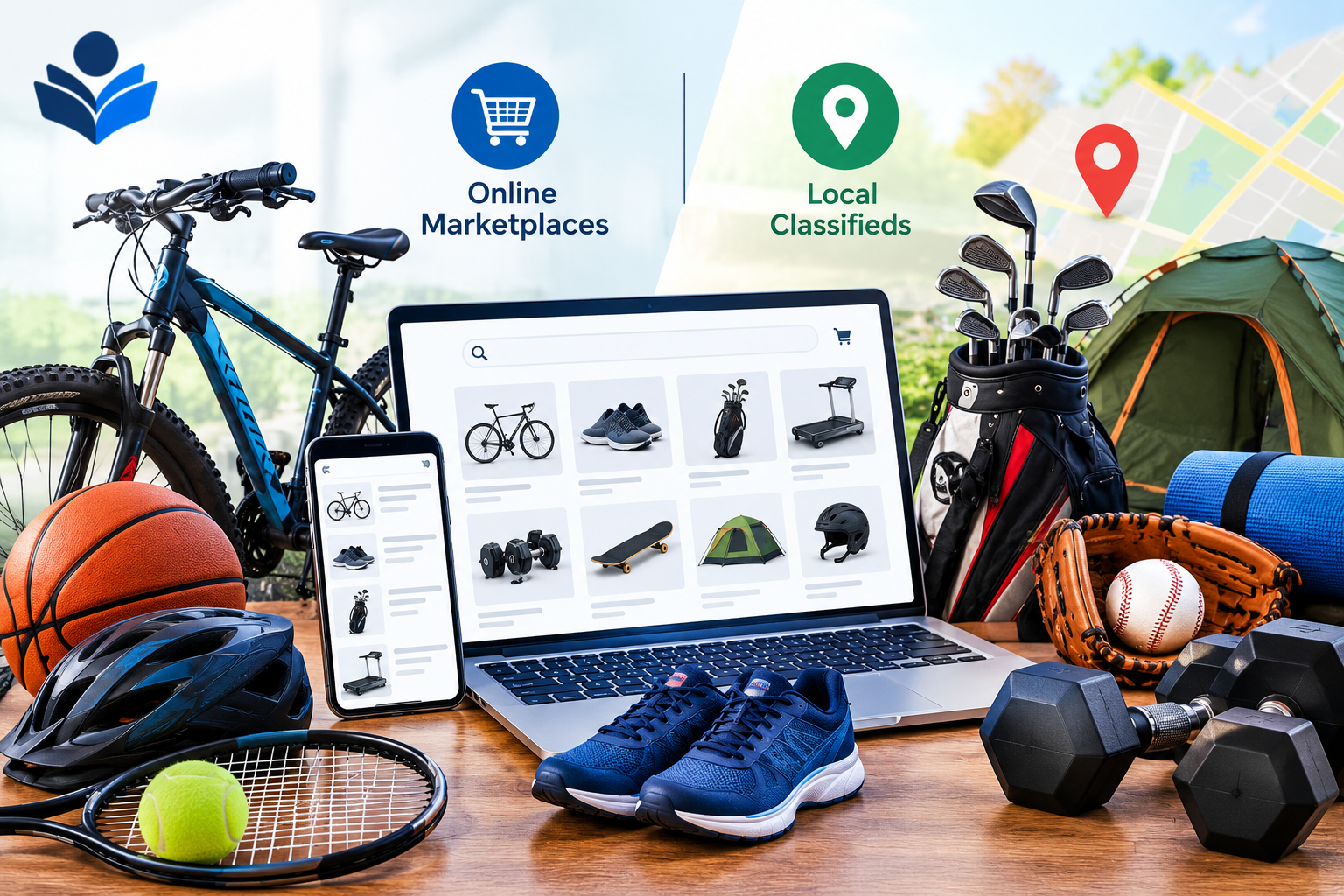
General Online Marketplaces and Local Classifieds
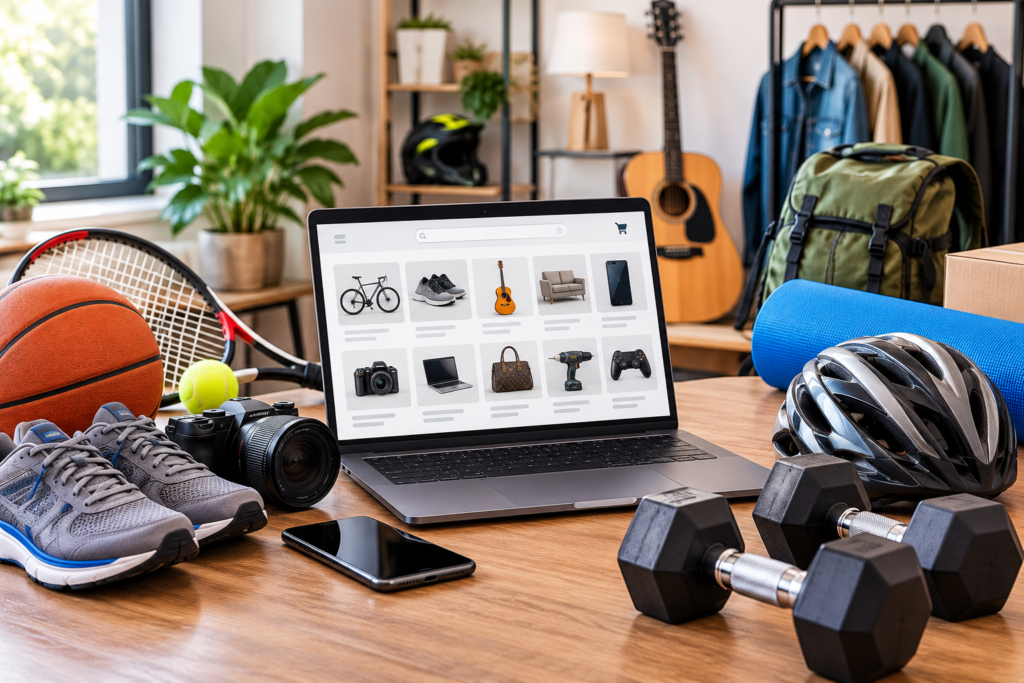
These work well for most sports gear — apparel, smaller equipment, rackets, cleats, and lighter cardio machines. They offer the fastest path to local buyers with minimal setup, and because pickup is usually local, you avoid shipping costs and damage risk entirely. This is generally the best starting point for a single item or a quick garage clear-out.
Niche and Specialty Marketplaces
These are worth exploring if you’re offloading rarer or collector-grade sports items — vintage jerseys, limited-edition sneakers, autographed memorabilia, or discontinued gear that dedicated buyers actively search for. If that’s part of your inventory, it’s worth reading up on the best online marketplaces to sell collectibles and this breakdown of where to sell collectibles in the US — many of the same seller strategies, like authentication and provenance documentation, apply directly to specialty sports gear as well.
Consignment and Sporting Goods Resale Stores
Physical consignment shops that specialize in sports equipment — ski shops, golf pro shops, bike shops with trade-in programs — can be a convenient option if you’d rather avoid managing inquiries yourself. You typically receive a smaller percentage of the sale price in exchange for the store handling display, negotiation, and payment, which can be worth it for bulkier items you don’t want strangers picking up from your home.
Your Own Online Store
Running your own storefront makes sense if you’re selling regularly or in volume rather than clearing out a single garage — for example, if you’re a coach, a gym closing down, or someone who flips sports equipment as a side business. Ecommerce platforms built for this category typically offer weight and size variant management, bulk catalogue uploads, and shipping tools designed around heavy items, which becomes genuinely useful once you’re managing more than a handful of listings at a time.
Handle Bulky Item Logistics Properly
Large equipment brings its own set of headaches, and being upfront about logistics avoids wasted conversations with buyers who aren’t actually equipped to take the item home. State the item’s weight clearly in your listing, and mention whether you can help with loading or if the buyer needs to arrange their own transport and manpower. This single detail determines who can realistically buy from you, so burying it in the comments section only creates friction later.
If you’re already comfortable handling large, awkward items, some of the same logistics lessons apply to other bulky secondhand categories. This guide on the best places to sell outdoor furniture covers transport and pickup strategies — like curbside handoffs, disassembly tips, and scheduling around weather — that translate well to treadmills, weight racks, and multi-gyms too.
A few practical habits go a long way here. Disassemble what you reasonably can before the buyer arrives, so loading takes minutes rather than becoming a shared project. Clear a path from the item to the door or driveway in advance. And if the item is genuinely heavy — a full power rack or a commercial-grade treadmill — mention that a second person for lifting is strongly recommended, since arriving alone to move something like that is a common source of cancelled pickups.
For higher-value equipment, consider using a payment method with built-in buyer-seller protection rather than relying purely on cash-on-pickup. It removes a lot of the friction from an otherwise more involved handover, particularly when the transaction is happening with someone you’ve never met before.
Get Paid Safely and Flexibly
Flexible, secure payment options reduce hesitation on high-ticket sales. Buyers spending several hundred or several thousand dollars on a home gym setup are far more likely to follow through when they have a trusted, familiar way to pay, rather than being asked to show up with cash for an item they’ve never physically inspected.
If gift cards or store credit come up as part of a deal — which happens more often than you’d expect in casual resale transactions — it’s worth understanding the basics first. For instance, whether Target sells Amazon gift cards is exactly the kind of practical payment question buyers and sellers run into, and knowing the answer ahead of time avoids an awkward conversation mid-sale.
As a general rule, avoid accepting personal checks for higher-value items, be cautious of buyers who overpay and ask for a refund of the difference (a common scam pattern), and prefer payment methods that confirm funds have actually cleared before you hand over the item, particularly for anything shipped rather than picked up in person.
Common Mistakes Sellers Make
● Overpricing based on sentimental value. What you paid for it, or how much you loved using it, doesn’t factor into what a stranger will pay today. Price based on comparable sold listings, not personal attachment.
● Vague or stock photos. Using a manufacturer’s product photo instead of your actual item raises red flags immediately and tends to get skipped over by serious buyers.
● Ignoring the shipping question entirely. Even if you plan to sell locally, stating clearly that an item is “local pickup only” saves you from a flood of messages asking about shipping bulky items that were never going to ship easily anyway.
● Underestimating disassembly time. Large gym equipment and bikes often take longer to break down than sellers expect. Rushing this on pickup day frustrates waiting buyers and can lead to damage.
● Slow responses. Bulky item listings lose momentum fast when replies lag by more than a day. Interested buyers often move on to the next similar listing if they don’t hear back quickly.
Quick Tips by Equipment Category
Cardio Machines (Treadmills, Ellipticals, Bikes)
Mention the console’s functioning features specifically — heart rate monitor, incline settings, built-in programs — since these often determine price more than the frame condition. Belt wear and motor noise are the two things serious buyers ask about most.
Strength Equipment (Racks, Benches, Free Weights)
List exact weight increments and total weight included, since buyers building a home gym are usually filling a specific gap in their setup. Rust on plates or bar knurling wear are common concerns worth addressing proactively in your description.
Team and Individual Sports Gear (Rackets, Sticks, Cleats, Balls)
Size and age group matter enormously here, especially for youth equipment that gets outgrown quickly. Bundling matching sets — a full set of youth hockey gear, for example — often sells faster and for more combined value than listing each piece separately.
Outdoor and Adventure Gear (Bikes, Kayaks, Camping Equipment)
Frame size, tire condition, and any modifications matter most for bikes, while structural integrity and any patch repairs matter most for kayaks and tents. Seasonal timing has an outsized effect on how quickly this category sells.
Winter Sports Equipment (Skis, Snowboards, Skates)
Edge and base condition are the first things experienced buyers check. Listing early in the fall, before the season’s demand peaks, consistently outperforms listing mid-winter once buyers have already made their purchases elsewhere.
Frequently Asked Questions
How do I know if my equipment is even worth selling?
If it’s structurally sound, functions as intended, and is a recognizable brand, it’s almost always worth listing. Even well-worn budget equipment can sell for a modest amount to buyers who just need something functional and affordable.
Should I sell items individually or as a bundle?
Individual items usually get more total value, but bundles sell faster and reduce the number of separate transactions you have to manage. If you’re clearing out a lot of gear at once, a mixed approach — bundling smaller accessories while listing large items separately — tends to work best.
What if a buyer wants to negotiate aggressively?
Set your listed price slightly above your actual minimum acceptable price so there’s natural room to negotiate. Be willing to walk away from lowball offers, particularly for equipment that’s likely to sell at your target price with a bit more patience.
Is it safe to meet strangers for pickup?
Meeting in a public location for smaller items, or having a second person present for large item pickups at home, are both reasonable precautions. Many local marketplaces also list designated safe exchange locations, often near police stations, specifically for this purpose.
Final Thoughts
Selling used sports equipment comes down to three things done consistently: honest condition details that build buyer trust, choosing the right platform for the specific item you’re selling, and a pricing strategy grounded in real market signals rather than guesswork or sentiment. Get those three right, and gear that’s been gathering dust in a garage or closet becomes cash in your pocket — usually faster than most first-time sellers expect.
Whether you’re offloading a single treadmill or clearing out a whole home gym, treat the listing the way a serious buyer would want to be treated: clear photos, honest descriptions, fair pricing, and quick, straightforward communication. That combination consistently outperforms any single platform choice.
For more practical resale guides across categories, browse used items guide..
