
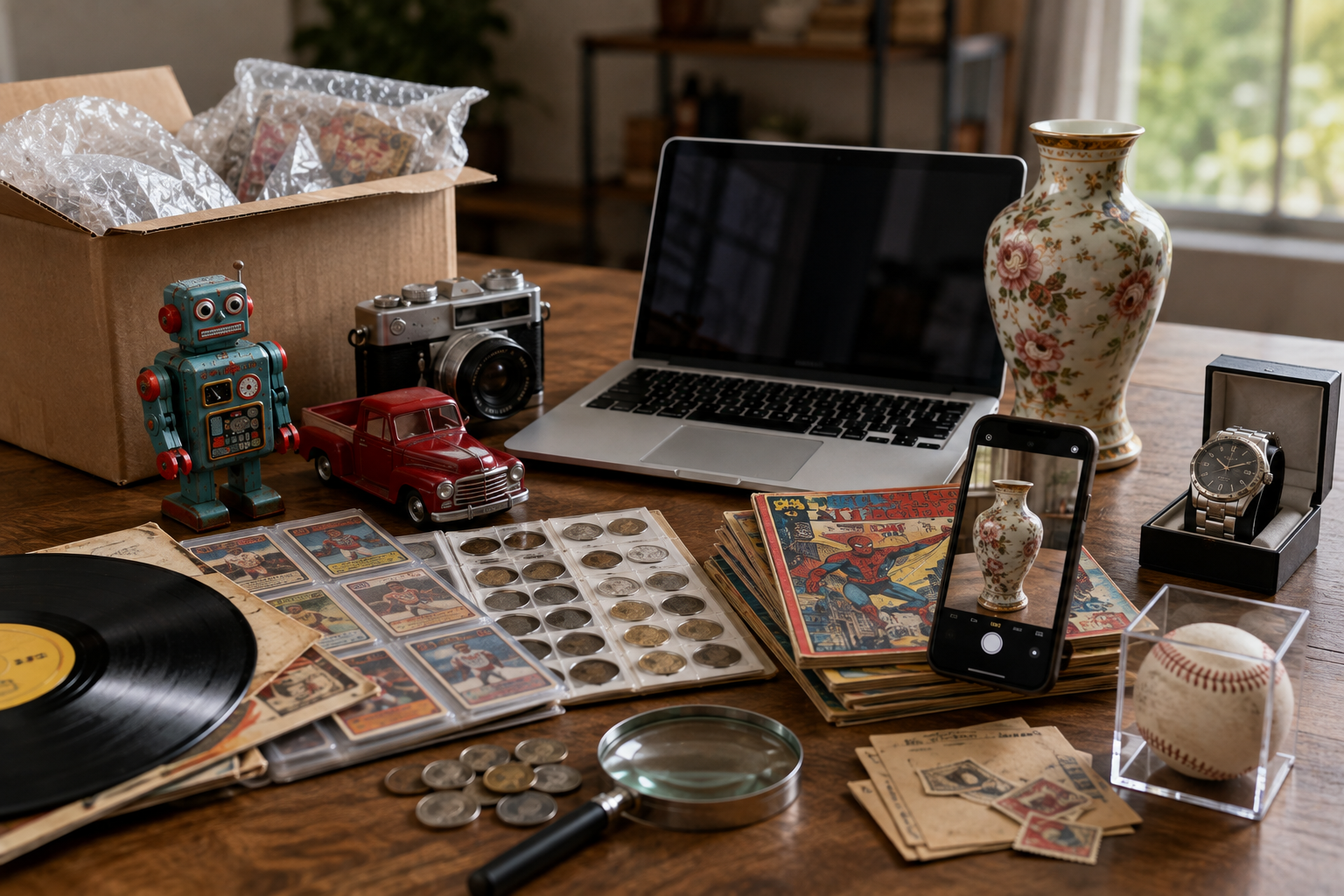


Quick answer: For the fastest, broadest reach, list on eBay first. It still has the largest active buyer pool for nearly every collectible category in the US. For genuinely rare or high-value pieces worth $500 or more, consign with an auction house like Heritage Auctions instead of listing it yourself. For bulky, fragile, or lower-value items you don’t want to ship, sell locally through Facebook Marketplace, a collector show, or a reputable consignment shop. Before you list anywhere, check recent sold prices on WorthPoint so you don’t underprice something rare. For a fee-by-fee breakdown of every major online platform, see our deep-dive guide to the best online marketplaces to sell collectibles.
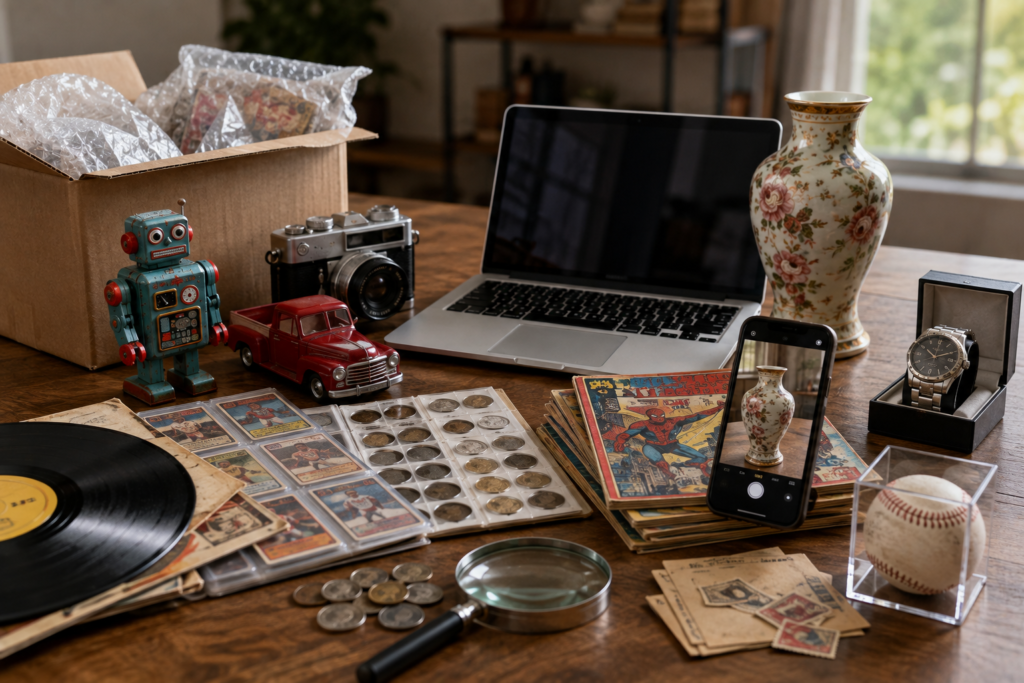
That drawer of old coins, the shoebox of trading cards under the bed, your grandmother’s china cabinet, or a stack of vinyl records you inherited last year — collectibles have a strange way of piling up until one day you decide it’s finally time to sell. The hard part usually isn’t finding a buyer. It’s finding the right buyer, on the right platform, without giving away 20 to 30 percent of the item’s value to fees, shipping mistakes, or an offer nobody bothered to research first.
This guide covers every realistic way to sell collectibles in the US in 2026: general online marketplaces, specialty platforms built around a single category, local and offline options, and full-service auction houses for genuinely rare pieces. You’ll learn how to figure out what something is actually worth before you sell it, how to route specific categories like coins, cards, toys, vinyl, watches, and stamps to the platform that pays best, and the mistakes that quietly cost sellers money.
Quick Comparison: Where to Sell Collectibles
Here’s the short version before we go deeper into each option, how much it typically costs, and how fast you’ll actually get paid.
| Selling Channel | Best For | Typical Fees | Speed |
| eBay | Almost any collectible, broadest reach | ~13% + payment fee | 2–5 days |
| Specialty platforms (Discogs, PWCC, StockX, Chrono24) | Category-specific buyers, higher payout | 6–11.5% | 2–7 days |
| Facebook Marketplace & local collector groups | Bulky, local, no-shipping sales | 0% local | Same day |
| Consignment & antique shops | Furniture, decorative antiques, china | 30–50% commission | Weeks to months |
| Collector shows & conventions | Cash offers, in-person negotiation | Little to none | Same day |
| Auction houses (Heritage Auctions) | Rare, high-value pieces ($500+) | 10–20% consignment | 30–60 days |
| Pawn shops | Fastest possible cash | Built into low offer | Same day |
Fees shift periodically, so always confirm the current rate before you commit to a platform.
Step 1: Figure Out What You Actually Have Before You List Anything
Selling before you know what an item is worth is the single most common way collectors leave money on the table. A raw comic book and a professionally graded copy of the exact same issue can sell for wildly different prices. The same goes for coins, trading cards, and vintage toys.
Start with these three questions:
- What exactly is it? Brand, year, edition, maker’s mark, pressing number, or grade. The more specific you can be, the more accurately you can price it.
- How rare is it? A quick search for “sold” listings, not “asking price” listings, tells you what buyers actually paid recently.
- Is it worth grading or authenticating? Grading fees can run $15 to $50 per item, but a graded card, coin, or comic routinely sells for two to three times more than the same item raw.
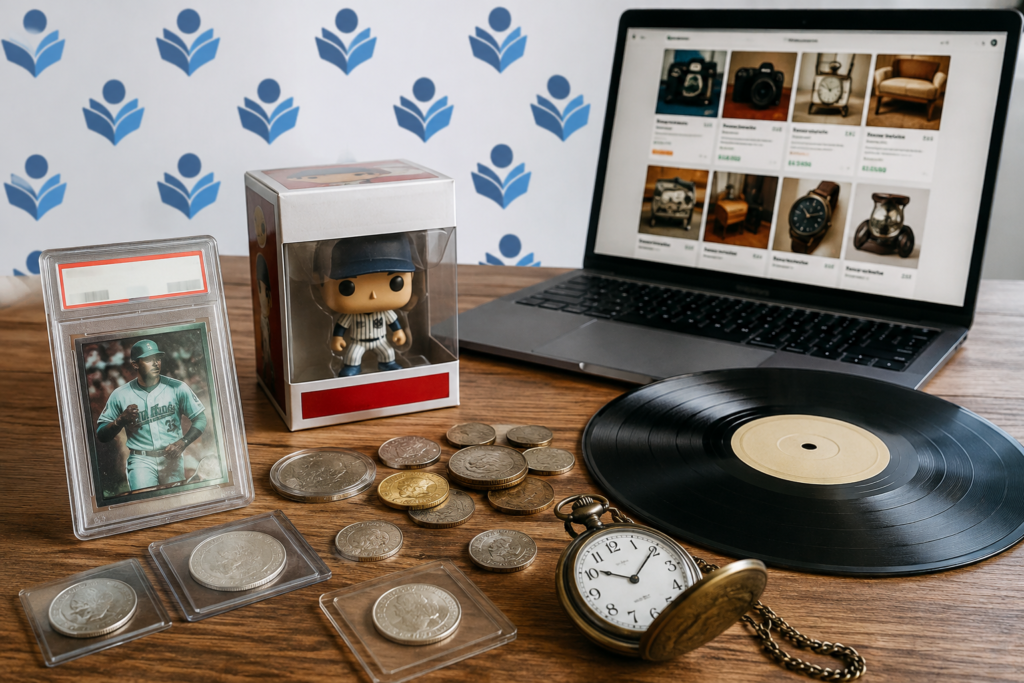
Never rely on active asking prices to judge value — anyone can list an item for whatever number they want. Filter for sold and completed listings on eBay instead, since that reflects what buyers genuinely paid. For anything you suspect is truly valuable, cross-check it against WorthPoint, a price research database that archives millions of past sale prices across nearly every collectible category. If you want a full walkthrough of this process, our guide on how to find the value of your collectibles before selling covers it step by step.
Step 2: Decide Between Online, Local, or an Auction House
Once you know roughly what your item is worth, the next decision is where to route it. Three factors usually settle the question:
- Value. Items under $50 rarely justify the effort of a specialty marketplace or auction consignment. Items over $500, especially anything genuinely rare, usually do better at auction than in a standard listing.
- Size and fragility. Furniture-sized antiques, framed art, and anything fragile are expensive and risky to ship. Local sale usually wins here.
- How much effort you want to put in. Auction houses and specialty platforms often pay more, but they take longer and require more documentation. A local sale or general marketplace listing is faster but more competitive.
A simple rule holds up across almost every category: the more specific the buyer pool for your item, the more that platform will pay relative to a generic listing. A record collector browsing Discogs already knows what a specific pressing is worth. A random local buyer usually doesn’t, and will negotiate accordingly.
Best Online Marketplaces for Selling Collectibles
Online marketplaces remain the default starting point for most collectibles because they reach the largest number of buyers actively searching for what you have.
eBay is still the largest general marketplace for collectibles in the US. It supports both auction-style and fixed-price listings, and its sold-listings data doubles as a free price-research tool before you list anywhere else. Etsy works well for genuinely vintage pieces, generally 20 years or older, and decorative collectibles aimed at buyers browsing for curated finds. Mercari offers a simple listing flow with prepaid shipping labels, good for mid-value toys, cards, and small collectibles where a fast sale matters more than squeezing out the last dollar.
Beyond the general platforms, specialty marketplaces exist for nearly every category: Discogs for vinyl records, PWCC and COMC for graded trading cards, StockX for sealed and verified toys, and Chrono24 for vintage watches. These buyer pools already understand what your item is worth, which usually means a better price than a general listing.
Because fees, buyer pools, and category fit vary so much between these platforms, we’ve broken down all nine major marketplaces with exact fee tiers and category recommendations in a separate guide: read our full comparison of the best online marketplaces to sell collectibles before you commit to one.
Best Local and Offline Places to Sell Collectibles
Online isn’t always the right answer. Bulky items, fragile antiques, and sellers who want cash the same day usually do better offline.
Collector Shows, Swap Meets & Conventions
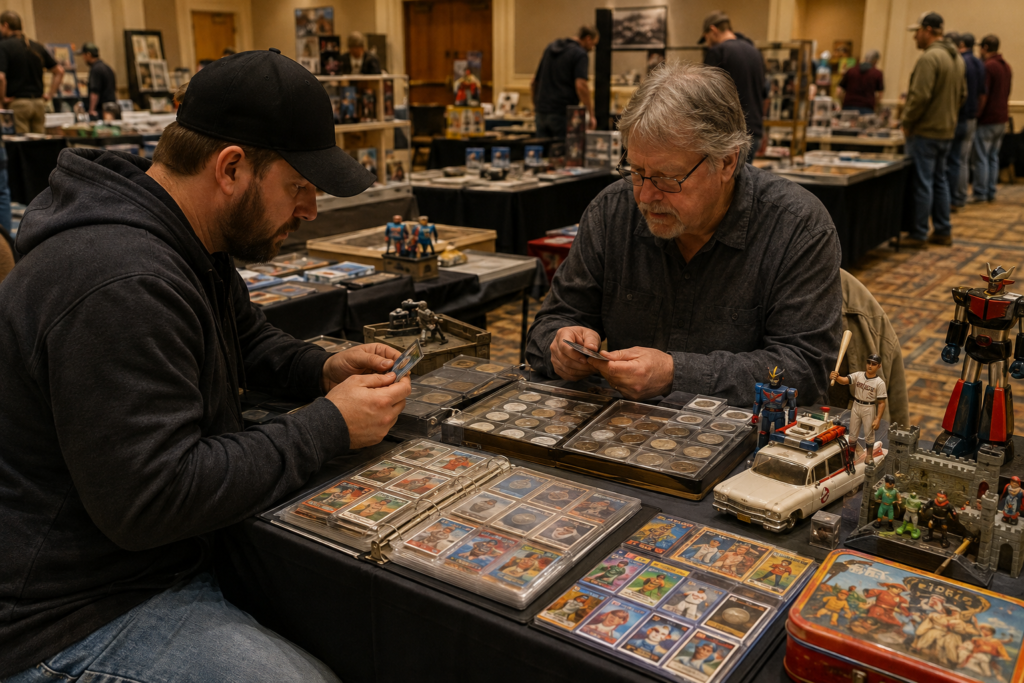
Coin shows, comic conventions, sports card shows, and toy expos put your item directly in front of buyers who already collect that category. You skip shipping entirely, and dealers at these events often make cash offers on the spot. The tradeoff is that dealer offers at shows typically run 50 to 70 percent of retail value, since the dealer needs room to resell at a profit. Bring documentation, grading slabs, or provenance paperwork if you have it — it strengthens your negotiating position considerably.
Consignment and Antique Shops
A local antique or consignment shop will display your item and split the proceeds with you once it sells, typically keeping 30 to 50 percent as commission. This works well for furniture-adjacent collectibles, china, decorative antiques, and anything that benefits from being seen and handled in person rather than photographed. It’s slower than an online sale — items can sit for weeks or months — but it requires almost no effort from you once the item is dropped off.
Estate Sale Companies
If you’re clearing out an entire collection rather than a single item, an estate sale company can liquidate everything at once. They typically charge 25 to 40 percent of total sales in exchange for pricing, staging, and running the sale for you. This is usually the right call when speed and convenience matter more than maximizing the price on any single item.
Pawn Shops
Pawn shops offer the fastest possible cash, often within minutes, but pay the least relative to actual value since they need margin to resell or cover a loan default. Reserve this option for when you need money immediately and the item isn’t valuable enough to justify a slower, higher-paying channel.
Local Collector Groups and Facebook Marketplace
Local Facebook groups built around a specific hobby, coins, comics, vinyl, or vintage toys, connect you with buyers who already know the category and can meet in person to inspect the item before paying. This works especially well for anything too bulky or fragile to ship safely, and it comes with zero platform fees.
Where to Sell by Collectible Category
Different categories genuinely perform better on different platforms. Here’s a quick routing guide.
Coins and currency. Start with a coin show or a local coin dealer for an in-person appraisal, then compare that offer against eBay sold listings before accepting. Genuinely rare or key-date coins belong at an auction house.
Trading cards and comics. Grading changes everything. A raw card and the same card graded by a third-party service like PSA can sell for dramatically different prices. PWCC and COMC handle high-value graded cards well, while eBay remains the best option for overall reach — always list the grading company and grade number in the title.
Toys, action figures, and trending collectibles. Sealed, verified items sell for meaningfully more than opened ones. StockX authenticates before shipping, which works well for trending blind-box figures and sneaker-adjacent collectibles. If you’re holding extras of a currently trending item, the same buyer demand that drives our guide to where to buy Labubu in the US also fuels a strong resale market — keep original packaging and QR codes intact.
Vinyl records. Discogs combines a detailed release database with an active marketplace, letting you confirm the exact pressing before pricing it. Local record stores remain a solid option for a fast, in-person cash offer on common titles.
Watches and jewelry. Chrono24 is the largest dedicated marketplace for vintage and luxury watches and includes buyer-side escrow protection. For gold, silver, or gemstone jewelry, get an independent appraisal before choosing a platform, since melt value alone can significantly understate what a piece is worth.
Stamps, militaria, and niche categories. Smaller categories are usually better served by a dedicated community than a general marketplace search, where listings tend to get buried. The American Philatelic Society maintains a directory of vetted stamp dealers, and similar collector societies exist for most niche hobbies.
Antiques and high-value rarities. For anything identified as a genuine rarity or documented antique, an auction house like Heritage Auctions typically outperforms a standard marketplace listing, though consignment fees usually run 10 to 20 percent of the final sale price.
How to Prepare Your Collectibles Before You Sell
A weak listing underperforms no matter which platform you choose. A few habits consistently separate items that sell quickly at a fair price from ones that sit unsold for weeks.
Research and authenticate first. Confirm exactly what you have before you price it. A misidentified item either sells for far less than it’s worth or gets returned once a buyer notices the discrepancy.
Grade it if the value justifies the cost. Grading fees typically run $15 to $50 per item through services connected to PSA and similar third-party graders. For anything above roughly $150 in estimated raw value, grading usually pays for itself in the final sale price.
Clean carefully, or don’t clean at all. Cleaning or restoring an item before listing often strips original surfaces and lowers value rather than raising it, especially with coins, comics, and antique furniture. When in doubt, leave it as-is and disclose its condition honestly instead.
Photograph it properly. Use natural light for every photo. Harsh flash photography washes out the surface detail buyers rely on to judge condition. Shoot multiple angles, including any maker’s marks, mint marks, or signatures, and show flaws clearly rather than hiding them.
Write a specific, keyword-accurate title and description. Lead with the exact identifiers buyers search for: brand, year, edition, grade, or pressing number, in that order. Answer the obvious question in the description, whether that’s size, edition count, provenance, or authentication status.
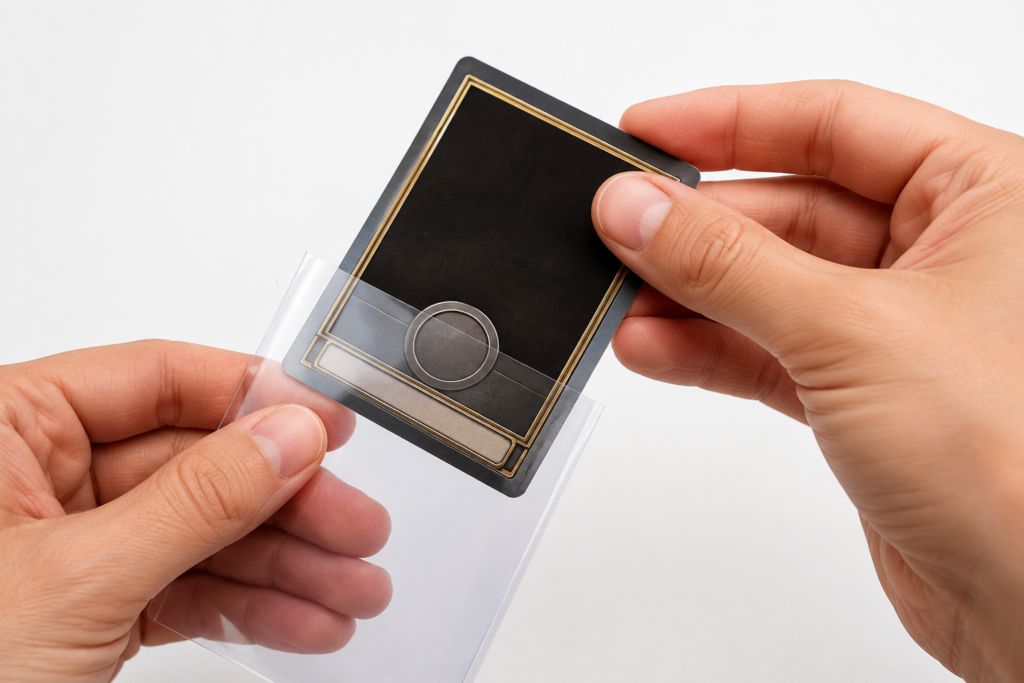
Pricing Your Collectibles Without Leaving Money on the Table
Price near recent sold comparables, not near other active listings. Active listings reflect what a seller hopes to get; sold listings reflect what a buyer actually paid, and that gap can be significant.
A higher headline offer also isn’t always the better deal once fees are factored in. Before choosing a platform, calculate what actually lands in your account after every fee, not just the sale price. A $500 sale on a platform charging a 15 percent combined fee nets $425, while the same item selling for $460 on a platform charging a 5 percent fee nets $437. The lower-looking number can be the better deal once the math is done.
Get two or three offers before accepting anything on a potentially rare item, whether that means comparing a dealer’s in-person offer against eBay sold comps, or checking quotes from more than one buyback platform. First offers from dealers average only 50 to 70 percent of fair market value, so a second opinion is rarely wasted effort.
Common Mistakes That Cost Collectors Money
- Listing a genuinely rare item on a general marketplace instead of a specialty platform or auction house built for that category
- Ignoring platform fees when comparing offers — a higher-looking price can net less once fees are subtracted
- Skipping authentication or grading on anything that could be counterfeit, especially signed memorabilia and trending toys
- Accepting the first offer without checking sold comps on at least one other platform
- Cleaning or restoring an item before listing which often strips original surfaces and lowers value
- Choosing a platform based on its reputation for a different category than the one you’re actually selling
- Underestimating shipping costs and insurance on anything fragile or high-value
Staying Safe When Selling Collectibles
Whether you’re selling online or meeting a buyer in person, a few precautions prevent most problems before they start.
- Use a marketplace’s built-in checkout or a credit card rather than a direct bank transfer, especially for local sales
- For in-person sales, meet in a public place, or ask about a police department’s designated safe-exchange zone if one is available nearby
- Be cautious of buyers who push urgency or ask to move the conversation off-platform immediately
- Photograph the item’s condition and any authenticity markers before shipping, so you have proof if a dispute comes up later
- Insure any shipment over roughly $75 to $100 in value, and use tracked shipping so both sides can confirm delivery
- Stick to platforms with built-in buyer and seller protection rather than off-platform payment requests
Selling Collectibles Alongside Other Household Items
Decluttering rarely stops at one category. If you’re clearing out collectibles as part of a move, an estate cleanout, or a general downsizing project, the same speed-versus-payout logic applies broadly across everything else in the house. Bulky, low-shipping-value items like furniture generally do best sold locally, the same way bulky collectibles do; our guide to used furniture covers pricing and staging tips for exactly that. If baby gear is also part of the cleanout, our used baby items guide covers what resells well and the safety standards buyers expect. Even tires hold resale value when tread life is still solid, covered in our used tires guide, and if there’s old tech mixed in with the collection, our used electronics guide walks through device-specific pricing.
Frequently Asked Questions
What’s the best place to sell collectibles for the most money?
It depends entirely on the category and the item’s value. eBay offers the broadest reach across nearly every type of collectible, while specialty platforms like Discogs, PWCC, or StockX typically get better prices within their specific niche. For genuinely rare, high-value pieces, an auction house like Heritage Auctions usually outperforms any standard listing once you factor in competitive bidding among serious buyers.
Should I sell collectibles online or locally?
Online sales reach a much larger buyer pool and generally net higher prices for compact, high-value items like coins, cards, and watches. Local sales work better for bulky or fragile items that are expensive to ship, and they let buyers inspect an item in person before paying, which builds trust a photo alone can’t.
Do I need to get my collectible graded before selling it?
Only if you suspect it’s genuinely rare or high-value. Grading and authentication fees can outweigh the value they add on common items, but for anything above roughly $150 in estimated raw value, grading usually pays for itself in the final sale price.
How do I find out what my collectible is worth?
Filter for sold and completed listings on eBay rather than asking prices, since that reflects what buyers actually paid. For anything potentially rare, cross-check the value against a dedicated price database like WorthPoint, which archives historical sale prices across most collectible categories.
Can I sell an entire collection at once instead of item by item?
Yes, and it’s often the right call when speed matters more than maximizing total value, such as with an estate liquidation. Selling piece by piece through the right platform for each item usually nets more money overall, since a single buyer for an entire lot will price in a bulk discount.
What’s the fastest way to sell a collectible?
Pawn shops and collector shows offer same-day cash, though at a lower payout than a marketplace listing. Facebook Marketplace and Mercari also move common, mid-value items quickly since local sales can close the same day. Auction houses are the slowest route but typically the highest-paying one for genuinely rare items.
Are collector conventions and shows worth attending to sell items?
Yes, especially for coins, cards, comics, and vintage toys, since you’re selling directly to buyers who already collect that category. Expect dealer offers to run 50 to 70 percent of retail value, since dealers need margin to resell, but you skip shipping entirely and get paid the same day.
How do I avoid scams when selling collectibles online?
Stick to platforms with built-in buyer and seller protection, avoid off-platform payment requests, and be wary of any buyer who pushes urgency. For local sales, meet in a public place and use a payment method that can’t be reversed after the item changes hands.
Final Thoughts
There’s no single best place to sell collectibles — the right channel depends on what you’re holding, how rare it is, and how much effort you’re willing to put in. General marketplaces like eBay reach the widest audience and work for almost anything. Specialty platforms pay more once a buyer pool already understands your category. Local shows, consignment shops, and estate sale companies handle bulky items and full collections without the hassle of shipping. And genuinely rare pieces usually belong at an auction house, where competitive bidding pushes prices toward true market value.
Research sold prices before you list anywhere, don’t skip authentication on higher-value pieces, and get more than one offer on anything you suspect is rare. For a detailed, fee-by-fee comparison of every major online marketplace, visit our full guide to the best online marketplaces to sell collectibles. You can also browse more buying and selling guides across Used Items Guide for category-specific resale tips on everything from electronics to furniture to baby gear.
