


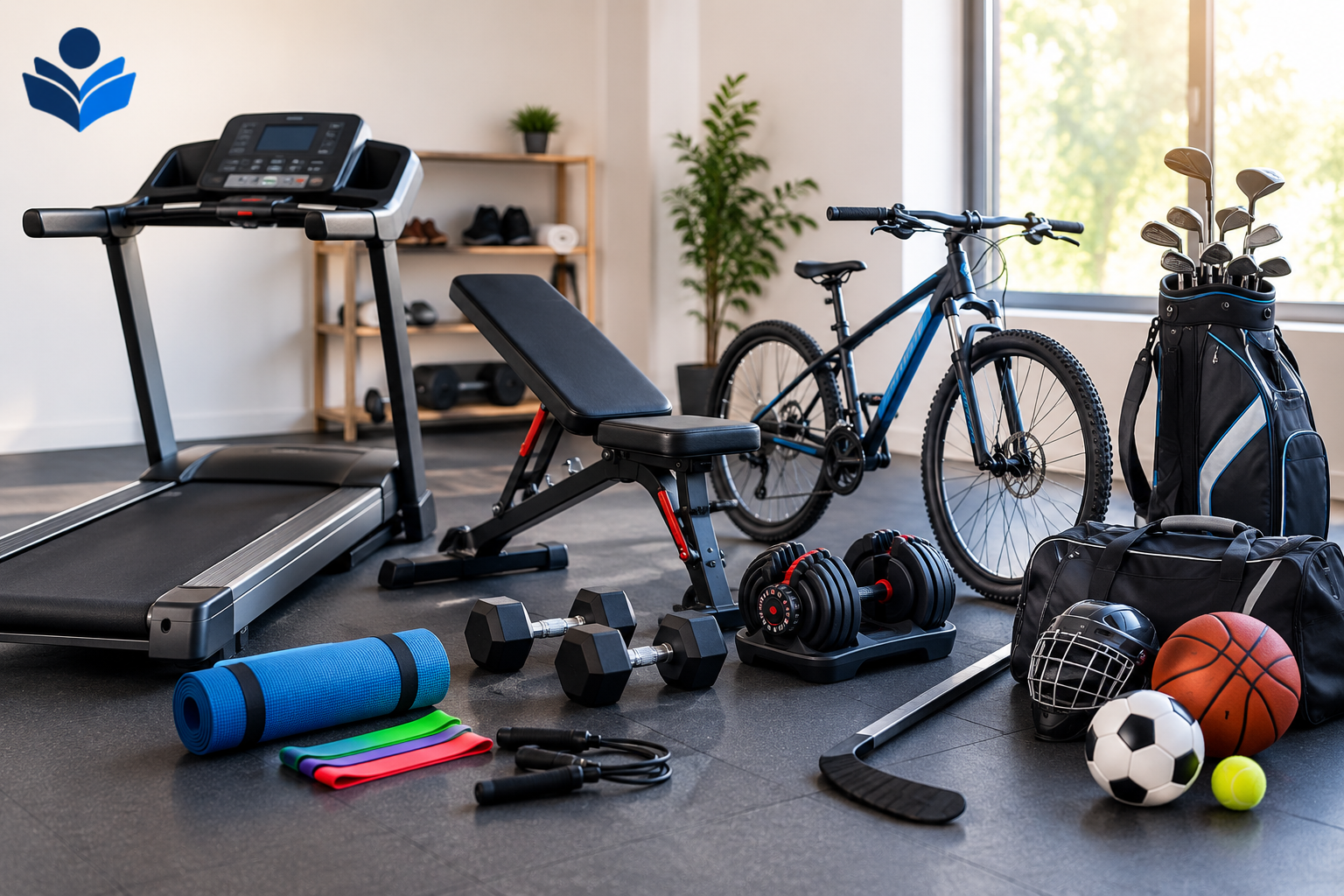
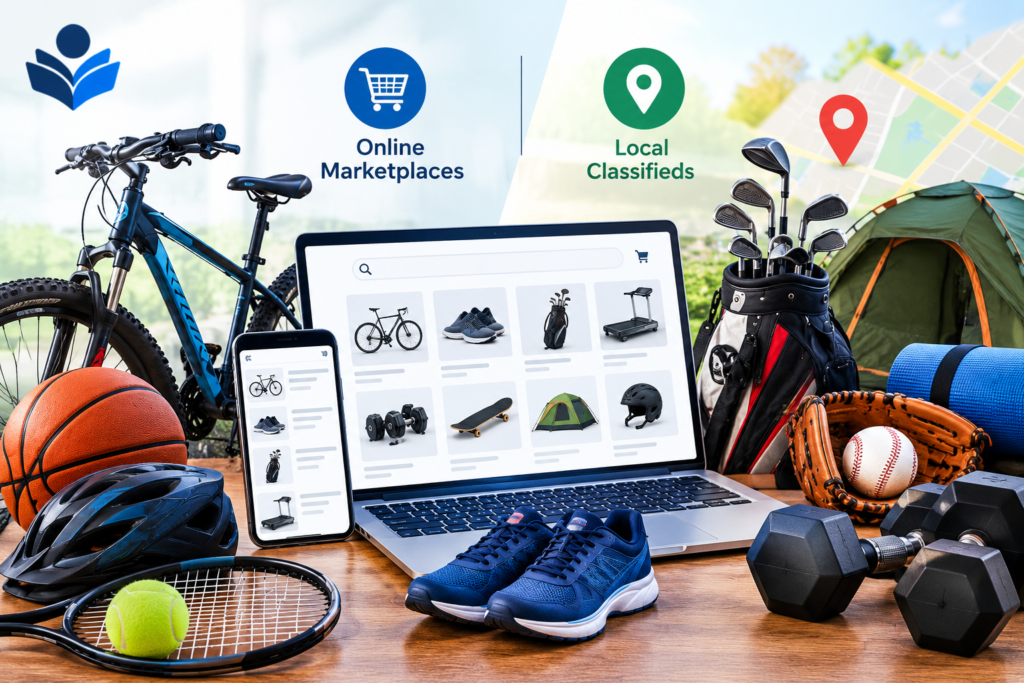
Most garages hold a small museum of good intentions. There is the set of golf clubs from the year you decided to take up the game, the cleats your kid outgrew in a single season, the home gym bench that quietly became a coat rack, and the paddleboard that made exactly three trips to the lake. Sports gear is expensive when it is new, and it loses its owner’s interest much faster than it loses its usefulness. That gap is the reason a healthy second-hand market exists around it. Somewhere nearby, a person is looking for the exact thing you no longer use, and they would rather pay a fair used price than a full retail one.
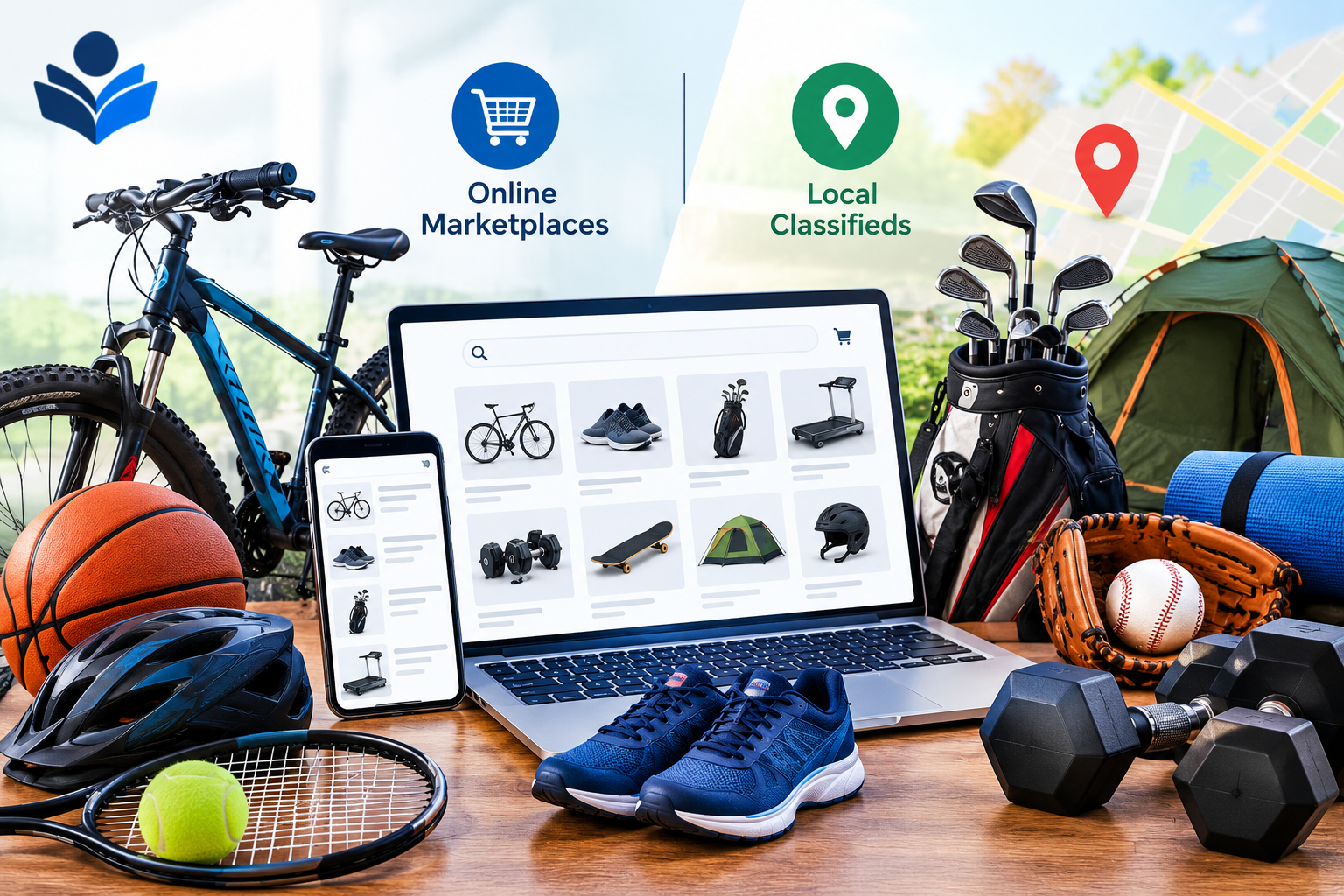
The tricky part is knowing where to sell sports equipment without burning weeks on the wrong channel. A road bike sells well to local buyers who can take a test ride, a baseball glove ships easily and does fine online, and a squat rack is so heavy that the shipping quote can rival the sale price. Choosing a platform that suits the item matters as much as the price you set, and it is the part most sellers skip because they list everything on the first app they open. For a detailed breakdown, explore this complete guide to selling used sports equipment.
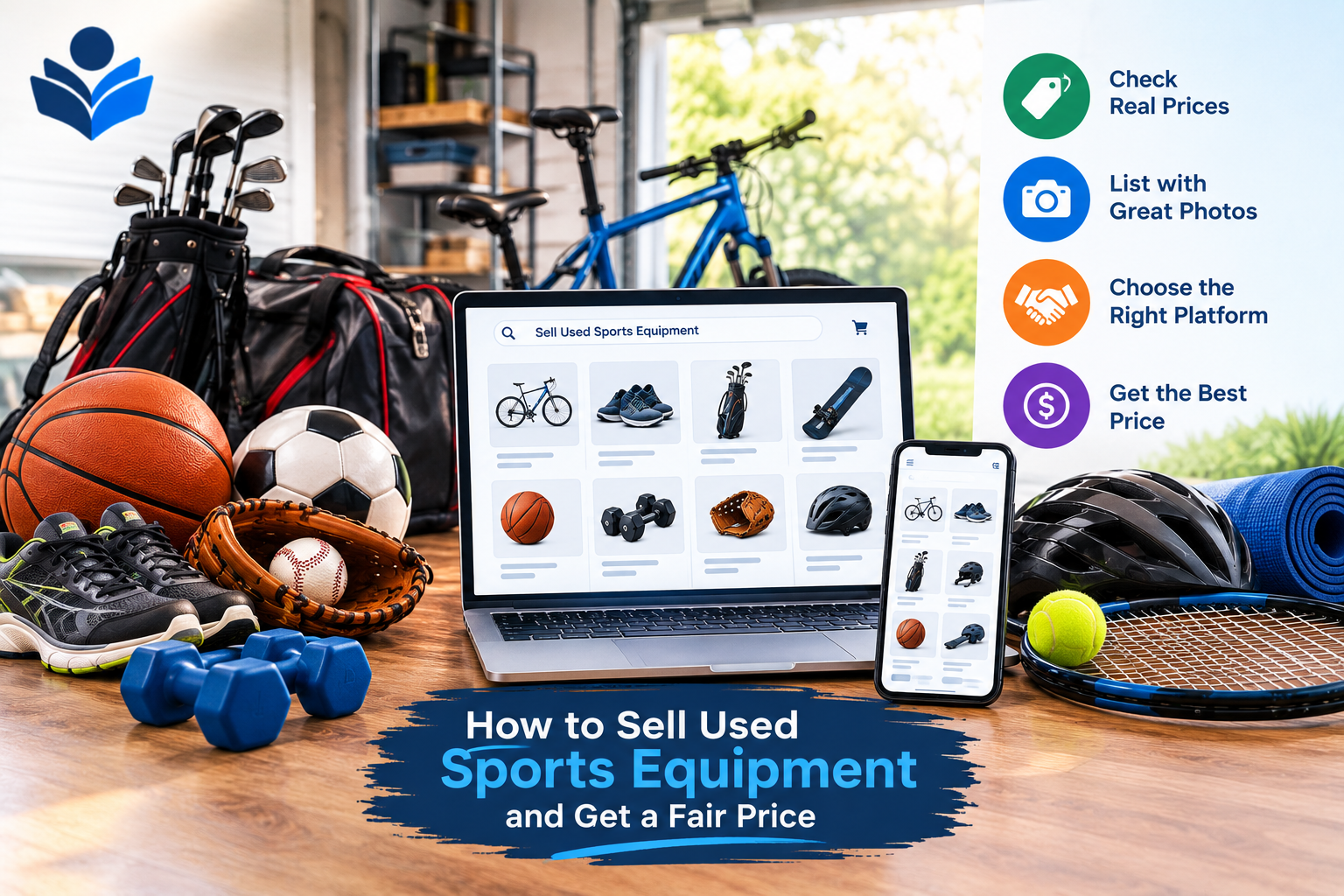
This guide walks through sorting your gear, preparing it, pricing it, and choosing between online and local routes. It also covers safety, timing, and the small details that decide whether a listing sells in three days or sits untouched for three months. For more practical advice on selling secondhand products, visit Used Items Guide.
Sort Your Gear Before You Pick a Platform
Before you open a single app, lay everything out on the garage floor or the living room rug and sort it into three piles: gear that sells easily, gear that needs the right buyer, and gear that should not be sold at all. Twenty minutes spent on this step saves a surprising amount of effort later, because each pile follows a different route. If you are unsure how to approach the process, this guide on how to sell used sports equipment explains how to prepare your gear, choose the right selling channel, and set a fair price. Trying to push a niche item through a fast-moving marketplace leads to frustration, and trying to sell everything through one local shop usually leads to low offers on the items that would have earned more elsewhere.
Gear That Usually Sells Quickly
Some categories have steady demand because people need them in a hurry. Youth equipment is the clearest example. Kids grow out of cleats, shin guards, gloves, and skates so fast that parents actively hunt for used options, and they tend to buy the same week they see a decent listing. Bikes in good working order, golf clubs from familiar makers, baseball and softball gloves, adjustable dumbbells, and paddle sports gear heading into summer also tend to attract attention without much effort. If your item fits one of these groups, you have the luxury of choosing between a quick local sale and a wider online audience.
Gear That Needs Patience
Specialized or older items sell to a smaller crowd. Think of archery equipment, fencing gear, rowing machines, older model treadmills, or a bag of clubs from a brand that stopped making them years ago. These pieces are not worthless, but the buyers are scattered, so the goal is to place the listing where enthusiasts already spend their time. That might be a group for one specific sport or a marketplace with strong search filters. Accept that the wait may run longer, and resist the urge to slash the price in the first week just because nobody has replied yet.
Gear to Keep Off the Market
Safety equipment deserves a more careful look. Helmets that have taken a hard hit, protective pads that have gone brittle, climbing ropes or harnesses with an unknown history, and anything covered by a recall notice are better kept out of the resale cycle. Many helmet makers advise replacing a helmet after a significant impact, and a buyer has no way to verify what a used one has been through. The same goes for gear that has simply reached the end of its useful life. Items that are still safe but not worth selling can go to a youth league, a school program, or a community donation drop, which keeps them useful and clears space at home.
Prepare Your Gear So It Sells Faster
Buyers make decisions in seconds, mostly from photos and a few lines of text. A little preparation separates a listing that gets five messages in an afternoon from one that gets none all month. None of this takes special skill, but it does take a bit of patience, and it pays back every time you list something.
Clean It and Fix the Small Stuff
Wipe down frames, shafts, and handles, wash jerseys and bags, and scrub the grip tape, laces, and straps where wear shows first. A bike with a clean chain and properly inflated tires photographs like a bike that has been looked after, even if the miles on it are the same. Tighten loose bolts, replace a missing lace, and straighten bent hooks. Fixes that cost a few dollars can noticeably lift how a buyer perceives the whole item, while obvious neglect makes people assume the hidden parts have been neglected too.
Check What Similar Items Actually Sold For
Asking prices are opinions, and sold prices are facts. On eBay you can filter results to completed or sold listings, which shows what real buyers paid for the same model in similar condition. Compare a few of them instead of trusting a single result, since one unusually high sale can mislead you. Local marketplaces work differently, so scroll through nearby listings for the same item and note how long they stay up. A pile of identical listings that have been sitting for weeks tells you the local market is saturated, and a price cut or a wider search may be needed.
Take Photos That Answer Questions
Natural light and a plain background do most of the work. Photograph the item from every side, then take close shots of wear, scuffs, and any damage, because hiding flaws only leads to disputes later. Include the size label, model number, and any serial number in a clear shot, since buyers of bikes, clubs, and electronics often want to confirm those details. If the item is something people use in action, such as a kayak or a treadmill, one photo showing it next to a familiar object gives a real sense of scale. Aim for at least six to eight clear images for larger items.
Write a Description That Saves a Message
A good description answers the questions a buyer would otherwise have to ask. Include the brand, model, size, approximate age, and honest condition, along with what comes in the sale, such as the bag, the cover, the pump, or the original box. Mention how often it was used and whether anything has been repaired. State whether you are offering pickup, shipping, or both. A clear description filters out casual browsers, reduces back-and-forth, and makes serious buyers feel comfortable moving forward.
A Simple Checklist Before You Post
Run through this short list before any listing goes live, because each item removes a common reason for a stalled sale.
• The gear is clean, and small repairs are done.
• You have checked sold prices for the same brand and model.
• Photos cover every side, plus close shots of wear and labels.
• The title includes brand, model, and size in plain words.
• The description states condition, what is included, and pickup or shipping terms.
• You know the lowest price you would accept and have left some room to negotiate.
Online Options for Selling Sports Gear
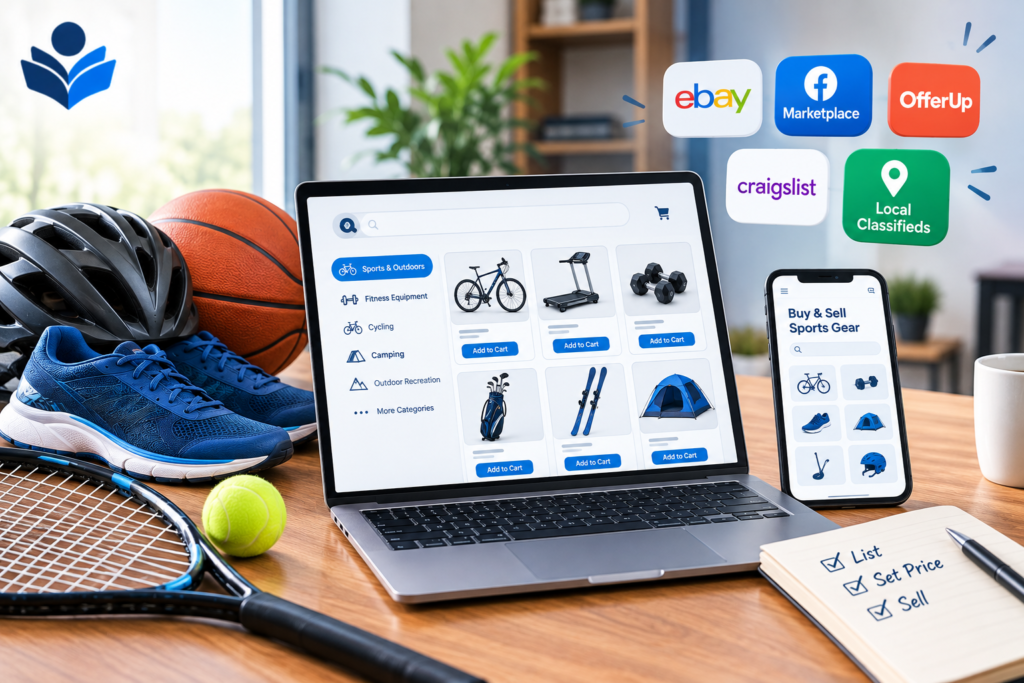
Selling online opens the door to buyers far beyond your zip code, which matters for anything with a specialized audience. The trade-offs are shipping effort, platform fees, and the need to wrap items carefully. Fees and rules change often, so read the current terms on any platform before you list, and factor the fees into your price instead of finding out after the sale.
General Marketplaces
eBay reaches a national audience, supports both auctions and fixed prices, and works particularly well for items with collector interest or clear model numbers, such as golf clubs, specific bike components, and branded apparel. Facebook Marketplace is strongest for local pickup, since it needs no shipping label and has a huge active audience, though you should expect a fair number of low offers and no-shows. Craigslist still works for large local items like exercise machines and trailers, and many older buyers prefer it. OfferUp and Mercari are app-based options where listing takes minutes, and Mercari tends to suit smaller, easily shipped items. Listing the same item on two channels at once is fine as long as you remove it quickly from one when it sells on the other.
Sports-Focused Marketplaces and Groups
Marketplaces built around sports equipment, such as SidelineSwap, attract buyers who already know the category and search by sport, brand, and condition. That focus can help a listing for a specific club set, hockey stick, or lacrosse head stand out among similar items instead of drowning in a general feed. Beyond dedicated sites, social groups for a single sport can be surprisingly effective. Local cycling, golf, hockey, and climbing communities often run buy-and-sell threads where members trust each other more than strangers. A short post with clear photos and a fair price can move an item within a day, and the buyer usually knows exactly what they are getting.
Shipping Smaller Gear Without Losing Money
Weigh and measure the packed item before you list, then check carrier rates so the buyer sees an accurate shipping cost. Use a sturdy box, wrap fragile parts, and pad the corners. Clubs travel well in a tube or a purpose-made box, gloves and cleats ship in a padded mailer or small box, and helmets and other bulky items cost more to send than most sellers expect. Keep the tracking number and photos of the packed item until the buyer confirms delivery. Some sellers add insurance for higher-value pieces, which is a cheap way to avoid a costly dispute.
Selling Bulky Items Online Without Shipping Them
Weight benches, squat racks, treadmills, and kayaks are usually not worth shipping. List them online, set the location filter to local pickup only, and say so plainly in the first line of the description. Mention the dimensions and weight, tell buyers whether help loading is available, and confirm that the item fits a typical hatchback or truck bed. Buyers of bulky gear tend to arrive prepared when the listing is honest about what they are picking up.
Local Options That Save Time and Shipping
The question of where to sell used sports equipment looks different once you count how much a local buyer can save you in packing, postage, and waiting. Local sales are often faster, and for heavy or oversized gear they are frequently the only sensible option. The right local route depends on whether you want speed, a higher price, or a hands-off handoff.
Resale Stores That Buy Gear Directly
Stores that buy, sell, and trade used sports equipment are the simplest route for many sellers. Play It Again Sports is the most widely recognized example, and its Boise locations describe buying and trading used golf clubs, bikes, gloves, and water sports gear, with no appointment listed as required for selling. You generally accept a lower payout than you might get from a private buyer in exchange for a fast, no-haggle transaction, and some stores offer higher value if you take store credit. Call ahead to ask what they are currently buying, since inventory needs shift with the season. Bring gear clean and complete, with accessories and original parts, because staff evaluate quickly and condition drives the offer.
Consignment and Outdoor Shops
Consignment works differently from a direct purchase. The shop displays your item, handles the buyer, and pays you a share after it sells. That can earn more than an instant cash offer, but it takes patience, and you usually agree to a fixed period before unsold items are returned or discounted. Some outdoor retailers and bike shops accept gear on consignment or run their own used sections, and local reviews of Boise-area shops mention people consigning gear they no longer use and picking up replacements. If you are also clearing out bikes, camping equipment, or other outdoor items, the guide on used bikes and outdoor gear in Boise, ID covers more of the local picture.
Seasonal Swaps and Community Events
Ski and snowboard swaps, community bike sales, and school or league gear exchanges concentrate buyers into a single weekend, which makes them very efficient. Buyers show up with cash and a shopping list, and a well-priced item can sell within an hour. Check with local shops, clubs, and community centers for dates, since many run once a year in fall or spring. Arrive early with items clean, tagged with a price, and sorted by size. Any leftovers can often be donated on the spot, which turns a messy cleanup into a single trip.
Neighbors, Clubs, Leagues, and Schools
Youth sports leagues, school booster groups, and neighborhood pages are underrated. Parents in these circles need the same gear you are trying to sell, and they trust a local seller over a stranger online. Post a short message in the league page or team chat with a photo, size, and price. Coaches often know which families are looking for cleats or pads at the start of a season, and a single mention can settle a sale before you write any listing at all. Sales inside a community also tend to be friendlier, with fewer haggling battles and more repeat exchanges as kids move through age groups.
Garage Sales and Bundled Clear-Outs
If you are clearing more than sports gear, a garage sale gives you a single day to move everything. Bundle related items, such as a glove, ball, and bat, or a bag with a full set of clubs, and price each bundle a little under what the parts would cost separately. Jerseys and workout wear can be listed separately using the ideas in this guide on where to sell used clothes for cash, and old patio pieces or spare appliances that have been sitting next to the gear can be handled through the pages on places to sell outdoor furniture and used appliances in Boise, ID. Older gear with collector appeal, like wood tennis rackets or retro team items, may do better through the routes described in this article on selling vintage items online.
Matching Your Gear to the Right Channel
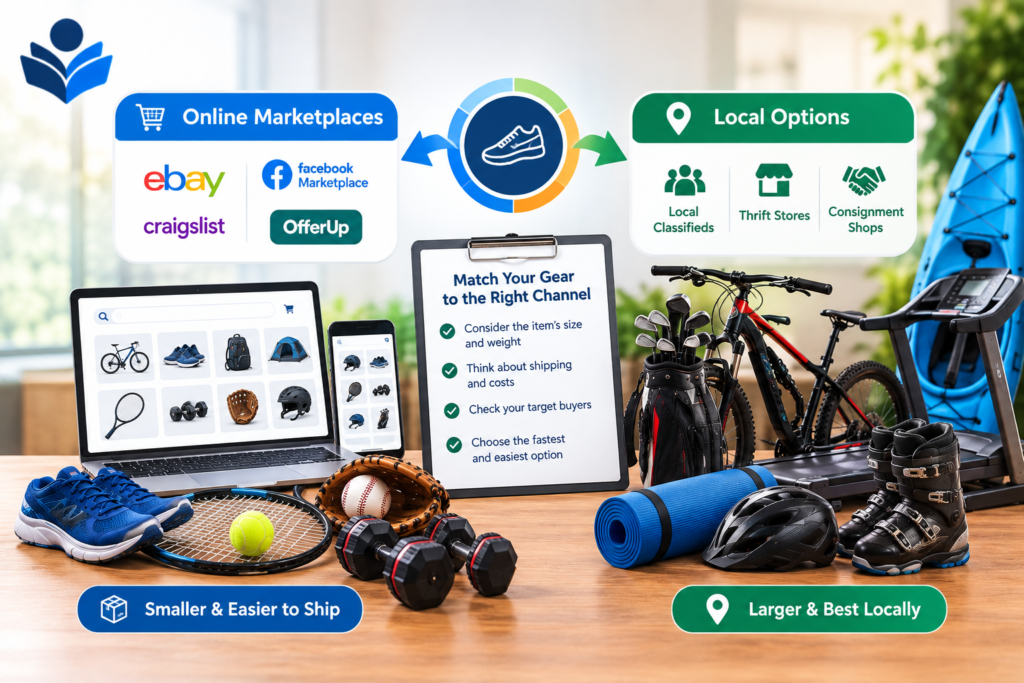
The table below gives a quick starting point. Treat it as a guide rather than a rule, since your local market, the age of the item, and your own time all change what makes sense.
| Type of gear | Good fit | Why it works |
| Bikes and e-bikes | Local marketplace, bike shop consignment | Buyers want a test ride, and size fit matters |
| Golf clubs | Sports-focused marketplace, eBay, resale store | Steady national demand and easy to ship in a tube or box |
| Gloves, cleats, and small accessories | eBay, Mercari, local youth groups | Light and cheap to ship, or easy to pass along locally |
| Weights, benches, and racks | Local classifieds, neighborhood groups | Too heavy to ship without eating the profit |
| Kayaks and paddleboards | Local marketplace, seasonal timing | Bulky, so buyers prefer to inspect in person |
| Ski and snowboard gear | Seasonal swaps, sport-specific groups | Demand peaks in a short window each year |
| Jerseys and memorabilia | eBay, collector communities | Collectors search by team, player, and year |
| Youth team gear | League pages, parent groups | Outgrown quickly and always in demand |
How to Price Used Sports Equipment
Pricing is where most sellers lose money or lose patience. Start from the sold prices you found earlier, then adjust for condition, age, and completeness. Gear with the original box, manual, or accessories usually earns more, and items with visible wear or missing parts earn less. Brand recognition also matters, since buyers trust names they have heard of and will pay a little more for them. A sensible approach is to list slightly above the number you would happily accept, so a buyer who negotiates still lands where you wanted to be.
Consider fees and shipping before you commit to a number. If a platform takes a cut and you cover postage, the real amount you keep can be much smaller than the sale price. That is why heavier items often make more sense locally, where the whole payment goes to you. Bundles can help too, because a buyer who wants three items from one seller saves on shipping or a second trip, and you save time on three separate sales.
If nothing has happened after a week or two, do not panic. Check that the photos are sharp and the title contains the brand, model, and size that people actually search for. Then drop the price in small steps instead of one big cut. A large early discount can leave money on the table, while small adjustments keep the listing fresh and can bring it back up in search results on many platforms.
Common Mistakes That Slow Down a Sale
The most frequent mistake is treating every item the same. A seller who lists a kayak, a glove, and a set of clubs on the same local app will usually watch two of the three sit there. Matching the item to the channel is the easiest fix, and the table above exists for exactly that reason. The second mistake is vague listings. A title such as “sports stuff, good condition” gives buyers nothing to search for and nothing to trust, while a title with the brand, model, and size gets found by the people who actually want it.
Another common problem is unrealistic pricing based on what the gear cost new. Buyers compare your price with what similar used items are selling for, not with the original receipt, so an emotional price usually leads to weeks of silence. Sellers also lose sales by being slow to reply. Buyers often message several sellers at once, and the one who answers within an hour tends to win the sale. Turn on notifications, keep answers short and clear, and confirm pickup times quickly. Finally, be honest about flaws. A scratch you mention is a small detail, and a scratch you hide becomes an argument.
Staying Safe When You Sell
Most sales go smoothly, but a few habits make the rare bad ones far less likely to hurt. For local meetups, choose a public place with good lighting and other people around, such as a busy parking lot near a store, and bring a friend if you can. Some police departments offer designated exchange spots, which are worth using for higher-value items. Let buyers inspect the gear on the spot, and for bikes or equipment that needs testing, stay with the item during the trial. Do not give out your home address until you are confident the buyer is real, and for bulky items that must be collected from your property, have another person at home.
Payment is the other risk area. Accept payment before the item leaves your hands, and be cautious with overpayments, checks that seem too generous, and requests to move the conversation off the platform. Anyone who asks you to pay a fee or send a code to receive money is running a scam. Requests to be paid in gift cards are another well-known warning sign, so if you want to understand how those cards are sold at major retailers, the pages on whether Walmart sells Amazon gift cards and whether Target sells Amazon gift cards explain the basics. For shipped items, stay inside the platform’s messaging and payment system, because that is what protects you if a dispute comes up.
For bikes and other items with serial numbers, keep a record of the number and a clear photo of it. Some buyers will ask for proof of ownership, and having the details on hand shows you are a legitimate seller. It also makes it easier to help a buyer register the item later if needed.
Timing Your Sale Around the Season
Demand for sports equipment moves with the calendar, and timing can affect both how fast something sells and what it earns. Bikes, paddle sports gear, golf clubs, and baseball equipment tend to draw more interest as the weather warms. Ski, snowboard, and hockey gear usually peaks in the weeks before winter. Youth sports gear sells well when a new season or school year begins, since families are preparing for practices. If your item is out of season, you can either list it now with a fair price and accept a slower pace, or store it clean and dry until demand rises. Either approach can work, but selling in season generally reduces the number of times you have to lower your price.
What to Do With the Money
Once the sales come in, many sellers put the money toward replacement gear, since a rider or player who still wants to stay active can often trade sideways into something more suitable. Others set it aside for savings or bills. If you like to follow broader money trends while deciding what to do next, the pages on the S&P 500 and gold prices offer market context, though they are information rather than financial advice. For more ideas on getting value from things you no longer use, the Used Items Guide homepage covers guides on many kinds of used items.
Frequently Asked Questions
What is the fastest way to sell used sports equipment?
The quickest route is usually a local one. Resale stores that buy gear directly can pay the same day, and neighborhood or league groups often connect you with a buyer within hours. Facebook Marketplace can also move items quickly if the photos are clear and the price is fair. Speed usually comes at a small cost in price, so decide whether time or money matters more to you.
Is it better to sell sports gear online or locally?
It depends on the item. Small, light, and collectible pieces usually do better online because they reach more buyers and ship easily. Heavy, bulky, or size-dependent items such as bikes, benches, and kayaks usually do better locally, where the buyer can inspect them and you avoid shipping. Many sellers use both, listing online while keeping local pickup as an option.
Can I sell used helmets and other safety gear?
You can, but it deserves caution. Buyers cannot verify whether a helmet has taken an impact, and many makers advise replacing a helmet after one. If yours has never been damaged and is within its recommended lifespan, be honest about its age and history in the listing. If you are unsure about its condition, it is safer to recycle or retire it than to pass it on.
How do I find out what my used gear is worth?
Search for the same brand and model, and look at what similar items actually sold for, not just what sellers are asking. On eBay, the sold listings filter shows completed sales. Compare several results, adjust for condition and age, and check local listings to see how the market looks nearby. A small range is more useful than a single number.
Do sports resale stores pay cash or store credit?
Practices vary by store and location. Some pay cash, some offer store credit, and some give a higher value if you choose credit. Call ahead to ask what they are buying, how they evaluate items, and whether you need an appointment. Bringing clean, complete gear usually leads to a better offer.
How should I ship heavy or bulky sports equipment?
In most cases, you should not. Freight costs for weights, machines, and large boards can outweigh the sale price. Keep those items local, list them for pickup only, and include exact dimensions and weight in the description. If you do have to ship, get carrier quotes for the packed weight before you list, and price the item so the buyer understands the full cost up front.
What should I do with gear that will not sell?
Try a lower price, better photos, or a different channel first. If it still gets no interest, consider donating it to a youth league, school program, or community drop-off. Items that are worn out or unsafe can go to a recycling program instead. Clearing the space and giving usable gear to someone who needs it is often worth more than holding out for a few extra dollars.
Final Thoughts
Selling used sports gear works well when you match each item to the channel that suits it. Light and collectible pieces travel well online, bulky and size-sensitive gear belongs in front of local buyers, and specialized items reward patience and the right community. A little preparation, honest photos, and a price grounded in real sold listings will do more for your results than any clever trick. For more practical guidance on selling used items, you can also explore Used Items Guide for helpful resale ideas and tips.
Keep safety at the front of every sale, from the gear you decide not to list to the way you meet buyers and accept payment. Choose in-season timing when you can, and adjust your price in small steps instead of chasing a quick sale with a deep cut. Whether the gear leaves through a resale shop, a community swap, or a neighbor down the street, the goal is the same: something useful gets a second life, and you get a cleaner garage and a bit of money for the next season.
