





If your closet is bursting with clothes you no longer wear, you’re sitting on money you haven’t collected yet. Whether it’s a dress you wore once, jeans that no longer fit, or a pile of your kids’ outgrown outfits, used clothing can be turned into real cash — you just need to know where to send it.
This guide breaks down the best online platforms and in-person stores for selling used clothes in 2026, how much you can realistically expect to earn, and the small habits that make the biggest difference in your payout. And since clothes are rarely the only thing cluttering your closets, garage, or storage bins, we’ll also point you toward guides for selling other used items you might be sitting on — from baby gear to old electronics and even collectibles.
Why Selling Used Clothes Is Worth Your Time
The average household spends a significant chunk of its budget on clothing every year, yet a large share of what people buy ends up worn only a handful of times before it’s forgotten at the back of a closet. Selling those pieces does three things at once: it puts cash back in your pocket, it frees up physical space in your home, and it keeps usable clothing out of landfills by giving it a second life.
You won’t get rich reselling your wardrobe — most platforms and stores pay somewhere between 20% and 50% of an item’s resale value, and sometimes less. But if you’re trying to cover a small bill, fund a trip, or simply declutter without throwing perfectly good clothes away, selling used clothes for cash is one of the fastest, lowest-effort side hustles available. Unlike some resale categories — think outdoor furniture or electronics, which usually require local pickup or careful shipping — clothing is light, cheap to ship, and accepted almost everywhere, which makes it one of the easiest things to turn into cash.
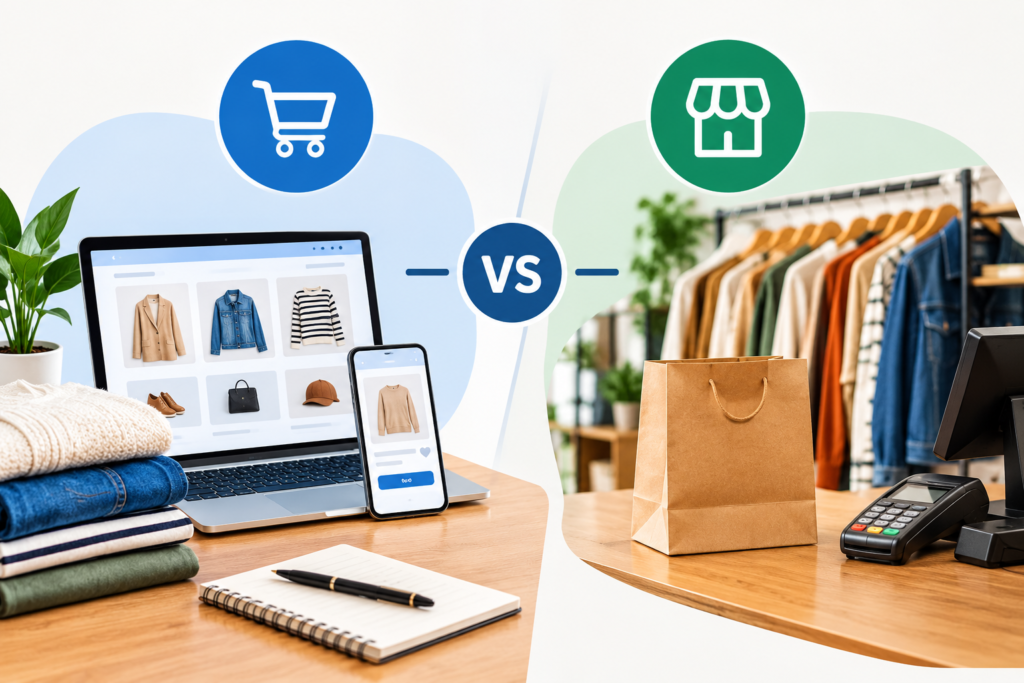
Online vs. In-Person: Which Is Better?
Before diving into specific platforms, it helps to understand the trade-off between selling online and selling in person.
Selling online generally gets you a better price because you’re selling directly to the end buyer rather than to a middleman store that needs to resell at a markup. The downside is time: you have to photograph items, write descriptions, wait for a buyer, and ship the package once it sells.
Selling in person is faster and gets you cash (or store credit) the same day, but stores pay less because they’re taking on the risk of reselling the item themselves. If speed matters more to you than squeezing out every last dollar, in-person stores are the better fit.
Most people find the best results by combining both: sell your higher-value, brand-name, or designer pieces online where they’ll fetch a premium, and take everyday, mid-range clothing to a local consignment or resale store for quick cash.
Best Places to Sell Used Clothes Online
1. Poshmark
Poshmark is one of the most recognizable names in clothing resale, and for good reason — it functions almost like a social network built around fashion, with users following each other, hosting live “posh parties,” and sharing style tips alongside their listings. It accepts everything from mall brands to high-end luxury labels.
Listing is simple: take a few photos, add a description, and set your price. Once an item sells, Poshmark emails you a prepaid shipping label, so all you need to do is package the item and drop it off. Sellers typically do better when they list at least five to ten items rather than just one or two, since a fuller closet attracts more browsing buyers.
Fees are straightforward — a flat few dollars on cheaper items, and around 20% on anything above roughly $15.
2. ThredUp
If your priority is convenience over control, ThredUp is worth a look. Instead of photographing and listing each item yourself, you request a “Clean Out Kit,” stuff it with clothes, and mail it back. ThredUp’s team inspects, photographs, prices, and lists everything for you.
The catch is patience: processing can take weeks, and the payout percentage depends heavily on the price point of each item, ranging from a small cut on low-priced pieces to a much larger share on items that sell for $100 or more. It’s a good option for people who want to offload a large batch of clothes without doing any of the listing work themselves, even if it means earning less per item.
3. eBay
eBay has been around for decades, but it’s still one of the most flexible places to sell clothing — especially vintage pieces, rare sneakers, or items that don’t fit neatly into a niche resale app’s guidelines. Listing is free up to a generous monthly limit, and eBay charges a percentage-based fee on the final sale price, which varies slightly depending on the category and price of the item.
Because eBay has such a broad, searchable buyer base, it’s often the best bet for unusual or hard-to-categorize clothing that more curated platforms might reject.
4. Vestiaire Collective
For designer and luxury clothing, Vestiaire Collective is hard to beat. The platform authenticates every item before it ships to a buyer, which builds trust and often results in higher sale prices for genuine luxury goods. Items from brands like Nike and Ann Taylor sit alongside pieces from Louis Vuitton and Yves Saint Laurent, so the platform isn’t exclusively for high-end fashion, but it performs best with recognizable, well-maintained brand names.
Fees scale with the sale price: a flat fee on cheaper items, roughly 12% in the mid-range, and a capped flat fee on very expensive pieces. Vestiaire also covers shipping once your item sells.
5. Depop
Depop has built its identity around younger, trend-driven fashion — vintage finds, Y2K styles, streetwear, and anything with a strong aesthetic. The app works a bit like Instagram, so sellers who invest in good photography, creative styling, and consistent posting tend to do noticeably better than those who just snap a quick photo and move on.
Depop charges a modest transaction fee per sale, and sellers can choose their own shipping method, which gives a bit more flexibility than some of the more rigid resale platforms.
6. Mercari
Mercari is a general marketplace — similar in spirit to eBay — where clothing sits alongside electronics, toys, and home goods. That breadth can work in your favor if you’re already using the app to sell other household items and want to add clothing into the mix. Listing is entirely self-directed: you take the photos, write the description, and set the price. Mercari offers instant pay for sellers who want quick access to funds rather than waiting for a standard payout cycle.
7. Facebook Marketplace
Facebook Marketplace is free to list on and connects you with local buyers, which means you can often skip shipping altogether by arranging a local pickup. Because it’s tied to your Facebook profile, transactions can feel more personal and trustworthy than an anonymous app. If a sale is processed through Facebook’s checkout, a small selling fee applies — but cash, in-person deals typically avoid that fee entirely.
8. Vinted
Vinted stands out because it charges sellers absolutely nothing — no listing fee, no commission. Buyers cover a small protection fee instead, which means 100% of your sale price goes straight to you. The trade-off is that Vinted skews toward casual, everyday resale rather than curated or authenticated luxury sales, so it’s best suited for regular clothing rather than high-end pieces.
9. Niche and Category-Specific Platforms
Beyond the big general marketplaces, a handful of platforms specialize in particular categories and often pay better for the right items:
- Grailed focuses on men’s streetwear and designer fashion.
- Kidizen is built specifically for children’s clothing, shoes, and gear — a great option if you’re clearing out a closet full of outgrown kids’ items, alongside outgrown toys and baby equipment you might also want to check against a baby items resale guide.
- Queenly specializes in formalwear like prom and bridesmaid dresses.
- GearTrade is the go-to for outdoor and athletic clothing — hiking gear, ski jackets, and technical apparel that general resale apps tend to undervalue.
Matching the right item to the right niche platform is one of the most reliable ways to boost your payout, since buyers on these sites are already searching for exactly what you’re selling.
Quick Comparison: Online Platforms at a Glance
| Platform | Best For | Typical Seller Fee | Effort Level |
| Poshmark | Everyday to designer brands | Flat fee under $15, ~20% above | Medium |
| ThredUp | Hands-off, bulk selling | Varies by price tier | Low |
| eBay | Vintage, rare, or hard-to-categorize items | ~9–15% of sale | Medium |
| Vestiaire Collective | Luxury and designer labels | Flat fee or ~12% | Medium |
| Depop | Trendy, youth-focused fashion | Small % + flat fee | Medium-High |
| Mercari | General household + clothing | Flat 10% | Medium |
| Facebook Marketplace | Local, no-shipping sales | ~10% (or free for cash deals) | Low-Medium |
| Vinted | Casual, everyday clothing | No seller fee | Medium |
Use this table as a starting point, but remember that the “best” platform always depends on what you’re actually selling. A pair of barely-worn designer boots will do better on Vestiaire Collective than buried in a general Facebook Marketplace feed, while a stack of basic T-shirts might sell just as fast on Vinted with zero fees eating into your profit.
Best Places to Sell Used Clothes In Person
Not everyone wants to deal with photography, shipping labels, and waiting for a buyer. If you’d rather walk in, hand over a bag of clothes, and walk out with cash, these brick-and-mortar chains are built for exactly that.
Buffalo Exchange
Buffalo Exchange has been buying and reselling clothing since the 1970s and remains one of the most trusted names in in-person resale. Bring in a batch of clean, current clothing and an employee will sort through it on the spot, offering roughly a quarter of the resale value in cash or about half in store credit — paid immediately, with no waiting for items to actually sell.
Plato’s Closet
Aimed squarely at teens and young adults, Plato’s Closet looks for trending, brand-name basics — think Nike, American Eagle, and similar everyday labels — rather than high fashion or formalwear. With hundreds of locations across the country, it’s one of the most accessible options for younger sellers.
Clothes Mentor
Clothes Mentor focuses on women’s clothing across an unusually wide size range, along with shoes, handbags, and accessories. Brand-name and designer pieces tend to fetch the best offers, and like most consignment-style chains, you’re paid cash on the spot rather than waiting for a sale.
Uptown Cheapskate
Uptown Cheapskate sits somewhere between a boutique and a thrift store, buying trendy clothing for teens and young adults. Premium and recognizable brands earn more, and sellers who opt for store credit instead of cash often receive a meaningful bonus on top of the cash offer.
Once Upon a Child
If your selling pile is mostly outgrown kids’ clothing, Once Upon a Child is worth a special mention. Beyond clothing, the chain also buys strollers, cribs, toys, and other baby gear — making it a useful one-stop option alongside dedicated resources for used baby items if you’re clearing out a nursery as your child grows.
Crossroads Trading
Crossroads leans trendy, buying labels like Levi’s, Lululemon, and Urban Outfitters. Sellers typically choose between a cash offer or a somewhat higher store credit amount, so it’s worth deciding in advance which you’d rather walk away with.
Local Consignment Shops
Don’t overlook independent consignment boutiques in your area. They won’t pay upfront the way chain resale stores do — you typically get a percentage once your item actually sells — but they can be a great fit for unique, local-market pieces that bigger chains might pass on.
How to Get the Most Money for Your Used Clothes
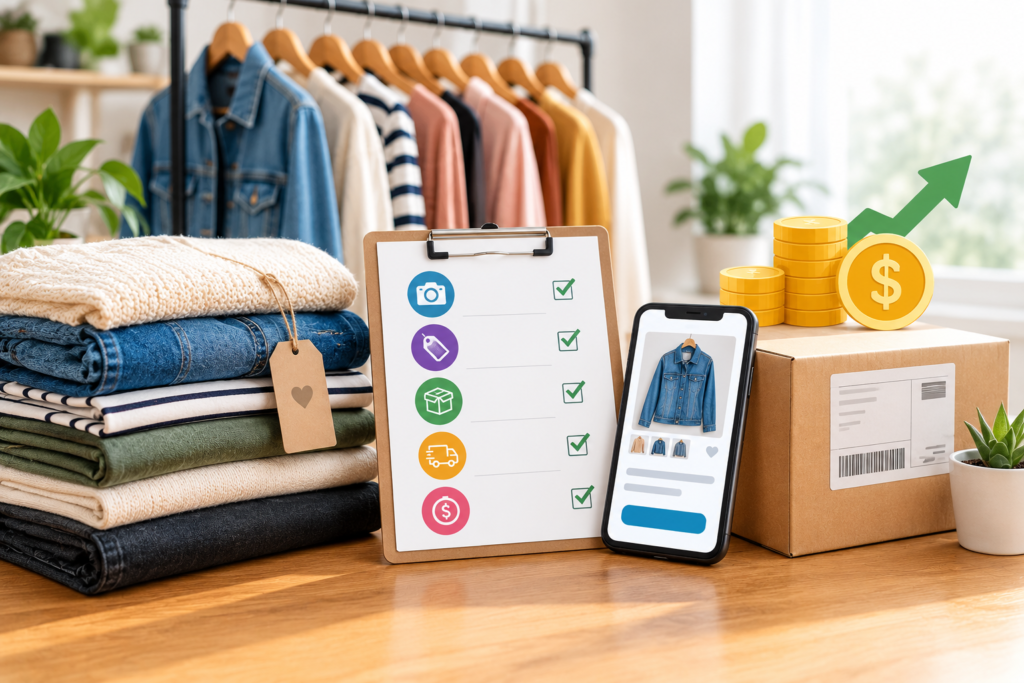
Whether you’re selling online or walking into a store, a handful of habits consistently separate sellers who earn well from those who leave money on the table.
Wash and Present Your Clothes Well
Every buyer — human or algorithm — judges clothing on first impression. Wash and neatly fold everything before you photograph it or bring it in. In-person appraisers are quick to reject anything that looks or smells unwashed, and online buyers will scroll right past a wrinkled, poorly lit photo. If you’re transporting clothes to a store, use a basket, bag, or box instead of a trash bag — presentation genuinely affects how an item is evaluated.
Check Carefully for Damage
Stains, pilling, missing buttons, and broken zippers will get an item rejected almost everywhere. Inspect each piece under good light before listing or bringing it in. If something is too worn to sell, consider donating or recycling it instead — trying to sell damaged goods alongside your good pieces can actually make buyers trust your other listings less.
Take Genuinely Good Photos
For online sales, photos do all the selling. Use natural light, shoot from multiple angles, and include close-ups of any fabric details, tags, or flaws. Listings with clear, well-lit photos consistently sell faster and for more money than blurry or poorly cropped ones.
Write Honest, Detailed Descriptions
Buyers can’t touch the fabric or try on the fit, so your description has to do that work. Include exact measurements, not just a size label, since sizing varies wildly between brands. Mention the material, the color as accurately as possible, and be upfront about any flaws — it builds trust and reduces returns or disputes later.
Price Realistically
Search the platform you’re using for similar items before you set your price. Overpricing scares buyers off, while underpricing leaves money on the table. A quick five-minute comparison against similar recent listings will get you much closer to a price that actually sells.
Sell With the Seasons
Winter coats don’t sell well in July, and swimsuits sit untouched in December. Time your listings — or your trips to a resale store — around the season just ahead, when buyers are actively shopping for that category. Many resale chains also update what they’re actively buying every few months, so it’s worth calling ahead or checking a store’s website before you make the trip.
Match the Item to the Right Platform
A vintage band T-shirt might sell for pennies on a general marketplace but fetch real money on a platform that specializes in vintage or streetwear. Kids’ clothing tends to do better on a kids-focused app than mixed in with adult listings. Matching your item type to the platform that specializes in it is often the single biggest lever for increasing what you earn — the same principle that applies when choosing where to sell collectibles or specialty gear rather than dumping everything into one generic marketplace.
What to Do With Clothes That Won’t Sell
Not everything in your closet will find a buyer, and that’s fine. Before you toss anything, work through a quick sorting process:
- Sellable and in good shape — list it online or take it to a resale store, following the tips above.
- Wearable but not sellable — heavily worn basics, out-of-style pieces, or items from brands nobody’s searching for. These are usually still good donation candidates for local charities or shelters.
- Damaged beyond wear — stained, torn, or otherwise unusable items can often be dropped off at textile recycling bins, which many resale chains and some municipalities now offer, rather than sent straight to a landfill.
Sorting this way before you start listing or packing saves you time later, since you won’t waste effort photographing or hauling in items that were never going to sell in the first place.
Packing and Shipping Tips for Online Sales
If you’re selling primarily through online platforms, a little preparation on the shipping side goes a long way toward keeping buyers happy and your ratings high.
- Weigh your items before listing, especially on platforms where you set your own shipping cost. Underestimating weight is one of the most common reasons sellers lose money on shipping.
- Use poly mailers for soft items like T-shirts, leggings, and light dresses — they’re cheaper and lighter than boxes. Save boxes for structured items like coats, shoes, or bags.
- Ship promptly. Most platforms set a shipping deadline of a few days after a sale, and late shipments are one of the fastest ways to earn a negative rating or trigger a refund request.
- Keep proof of shipment. A tracking number protects you if a buyer claims an item never arrived.
None of this takes more than a few extra minutes per sale, but it’s exactly the kind of small operational habit that separates sellers with strong ratings — and repeat buyers — from those who struggle to build momentum on a platform.
Frequently Asked Questions
How much can I realistically make selling used clothes?
It depends heavily on the brand, condition, and platform. Everyday basics might bring in a few dollars each, while well-maintained designer pieces can sell for well over $100. Most sellers report earning enough for meaningful extra spending money, though building a steady income from clothing resale generally requires selling consistently and in volume.
Is it better to sell clothes online or in a store?
Online generally pays more per item but takes more time and effort. In-person stores pay less but hand you cash immediately, with none of the listing or shipping work. Many sellers use both, reserving their best pieces for online sales and taking the rest to a local resale shop.
What clothes don’t sell well?
Fast-fashion basics with heavy wear, items with visible stains or damage, and anything from brands buyers don’t recognize tend to perform poorly almost everywhere. If a piece isn’t in sellable condition, donating or recycling it is usually a better use of your time than trying to list it.
Do I need to pay taxes on money from selling used clothes?
For most casual sellers offloading their own used wardrobe, occasional sales are treated as personal property sales rather than taxable income. However, tax rules around online marketplace payments have shifted in recent years, so it’s worth checking current reporting thresholds for the specific platform you’re using, or asking a tax professional if you’re selling in significant volume.
Turning Your Whole House Into Cash
Once you’ve cleared out your closet, it’s worth casting a wider net. Most households have far more resellable stuff tucked away than they realize — outgrown baby gear, drawers of old phones and gadgets, furniture that’s been replaced but never disposed of, and the odd box of collectibles from years ago. If you’re on a decluttering roll, these related guides can help you turn the rest of the house into cash too:
- Clearing out a nursery or playroom? Start with our guide to selling used baby items.
- Got a drawer full of old phones, laptops, or gadgets? Here’s where to sell old electronics for the best price.
- Sitting on trading cards, figurines, or other keepsakes? Check out where to sell collectibles.
- Replacing your patio set or backyard furniture? See the best places to sell outdoor furniture.
- Have leftover gift cards instead of clothes to offload? It’s worth knowing whether Walmart sells Amazon gift cards and whether Target sells Amazon gift cards if you’re managing gift card cash alongside your resale earnings.
For the full range of guides on turning things you no longer use into cash, browse the complete collection at UsedItemsGuide.com.
Final Thoughts
Selling used clothes won’t make you rich, but it’s one of the easiest, lowest-barrier ways to turn things you’re not using into real money. Online platforms like Poshmark, ThredUp, and Vestiaire Collective tend to pay more but ask for more effort, while in-person chains like Buffalo Exchange and Plato’s Closet trade a lower payout for same-day cash and zero listing work.
The real key to earning well isn’t picking the single “best” platform — it’s matching each item to the place where it’s most likely to sell, presenting it well, and pricing it fairly. Do that consistently, and that closet full of clothes you never wear can quietly become one of the easiest side incomes you have.
