


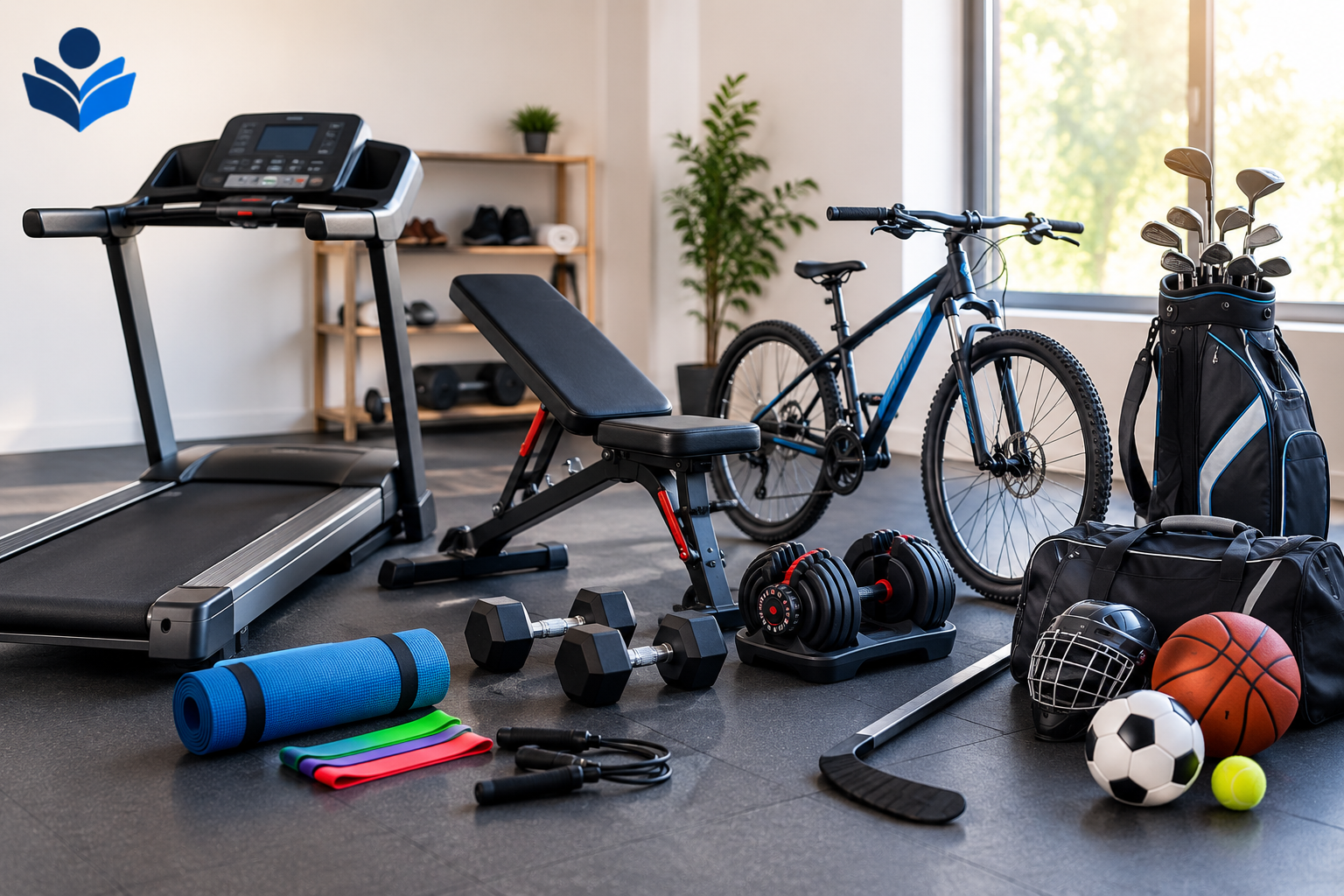
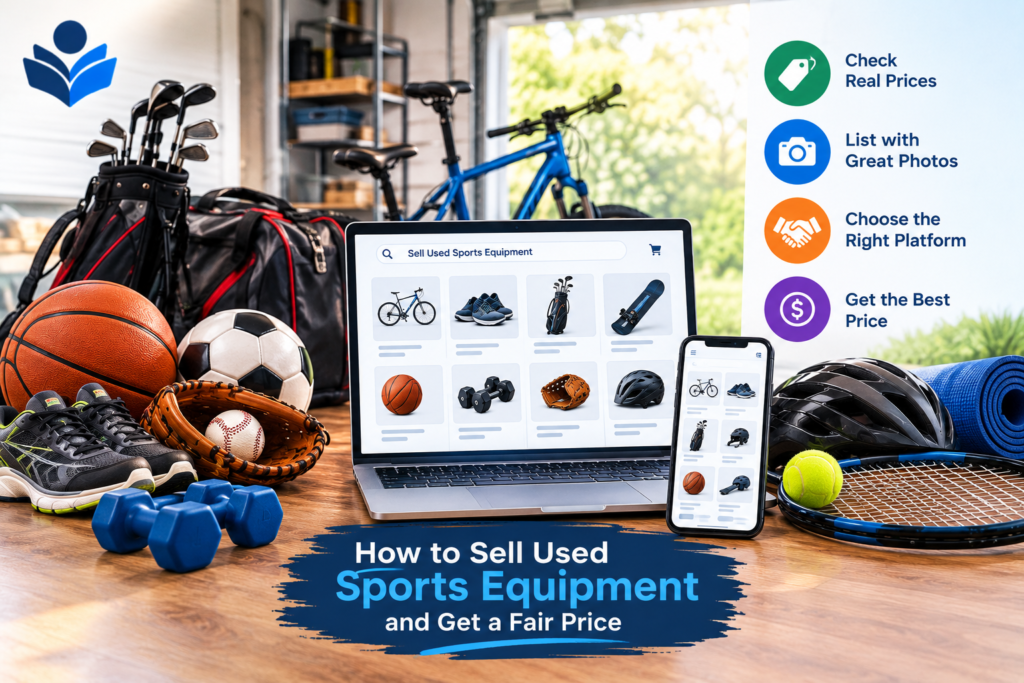
Every garage has a corner like this one. There is a hockey bag nobody has opened since the season ended, a set of golf clubs from a hobby that lasted one summer, a road bike that promised morning rides and mostly collected dust, and a pile of kids’ cleats that fit for about four months. The gear is still good, and someone else would happily use it. But the moment you try to turn it into cash, you run into a surprisingly confusing set of questions. What is it worth, who will pay that amount, and how much of the money will disappear into fees, shipping, or a store’s margin?
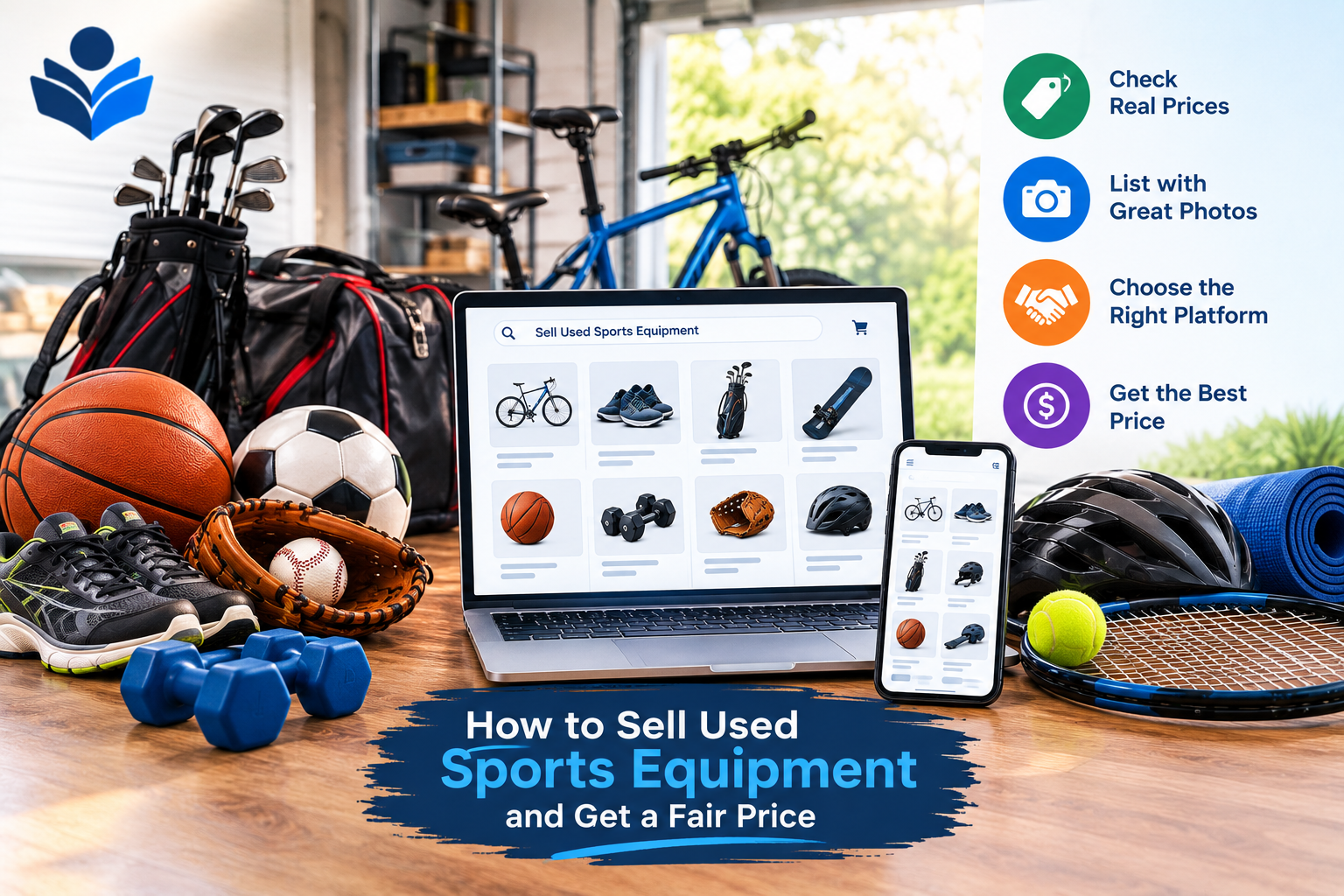
Most people who ask where to sell sports equipment are really asking two questions at once. The first is about the platform, and the second is about the price. They are tied together, because the same pair of skis or the same hockey stick can bring very different amounts depending on the channel, the timing, and the way you present the item. This guide walks through both sides. You will see how to estimate a realistic value, how to prepare and photograph your gear, how the main selling routes compare, and how to price and word a listing so buyers take it seriously.
A quick note on scope. Used Items Guide already covers this territory from a couple of other angles, including a piece on selling sports gear online and locally and a complete seller’s guide, and both are worth a read if you want a channel-by-channel breakdown. This article focuses on the part that decides whether you feel good about the sale afterward, which is getting a fair price and avoiding the mistakes that quietly drain it. Examples lean on Boise and the wider Treasure Valley, where the seasons push gear in and out of closets in a predictable rhythm, but nothing here depends on living in Idaho.
What Your Used Sports Equipment Is Actually Worth
Price problems usually begin before anything is listed. Sellers tend to anchor on what they paid, which is the least useful number in the whole process. Buyers of used gear do not care about your receipt. They compare your item against other used items they can see right now, and against the price of a new one at a store. Your fair price lives somewhere between those two reference points, and your job is to work out where your particular item sits.
Look at Sold Prices, Not Asking Prices
Asking prices are wishes, while sold prices are facts. On eBay you can filter a search to show sold items, which gives you real transaction prices for the same brand and model. On local marketplaces, pay attention to listings that have been sitting for weeks without movement, because a listing that lingers is telling you the price is too high. If similar items disappear within a day or two, the price is probably low, and you may be leaving money on the table. Spend twenty minutes on this research for each major item, such as a bike, a set of clubs, or a pair of skis. For small things like gloves or shin guards, a quick scan of a few comparable listings is enough.
Use the New-Price Ratio as a Reality Check
A useful sanity check is to compare your item with the current new price of the same or a similar model. Play It Again Sports states on its seller page that it typically resells used items for roughly 40 to 60 percent of the new price, and that sellers receive about 30 to 50 percent of that resale figure depending on demand, condition, and inventory. Those numbers describe one retail chain, and individual stores set their own terms, but they show how a store thinks. As an illustration, a pair of skis that cost 500 dollars new might go on a store shelf for 200 to 300 dollars, which would mean an offer of roughly 60 to 150 dollars to you. Selling directly to another person lets you keep the margin the store would have taken, which is why private sales usually pay more but ask more of your time.
Grade Your Condition Honestly
Condition moves price more than most sellers admit. A simple way to grade is to use plain categories. Like new means used a handful of times with no visible wear. Good means normal wear and cosmetic marks, with everything working. Fair means visible wear or a part that needs replacing soon, such as worn tires, a cracked grip, or dulled edges. Be strict with yourself. A buyer who receives an item that looks worse than described will haggle hard, ask for a refund, or leave a poor review, and all of those cost more than the extra 15 dollars you hoped to gain by rounding up.
Which Gear Holds Its Value and Which Does Not
Not every category behaves the same way, and knowing the difference saves you from unrealistic expectations. Gear with steady demand, strong brand recognition, and slow product cycles tends to hold value well. Quality bicycles from well-known makers, golf clubs from major brands, climbing hardware in good condition, and name-brand skis or snowboards from recent seasons all attract buyers because the new versions are expensive and the used versions are visibly good enough. Fitness equipment such as adjustable dumbbells, kettlebells, and weight plates also sells well, because the product barely changes from year to year and iron does not go out of style.
On the other side, gear that fits a growing body closely, wears out quickly, or carries safety implications tends to sell for less, or not at all. Kids’ cleats, skates, and ski boots are outgrown so fast that parents expect steep discounts. Budget equipment with no brand pull rarely brings more than a small amount, and shipping costs can erase what is left. Helmets deserve extra care. Many manufacturers recommend replacing a helmet after a significant impact and after a set number of years, so if yours has been in a crash or is old, do not sell it. If it is lightly used and within its recommended life, state exactly how old it is and let the buyer decide.
Seasonality also plays a part. Ski and snowboard gear draws more attention as the first snow gets closer, while paddleboards, kayaks, life jackets, and bikes see a jump in spring and early summer. In the Boise area, where the river, the Greenbelt, and the nearby mountains each pull in a different group of people, those swings are easy to spot in local listings. If your item is out of season, you have two choices. You can wait until demand returns, or you can accept a lower price for a faster sale. Neither is wrong, but pick one on purpose instead of letting the item sit and go stale.
Getting Your Gear Ready to Sell
Preparation is the cheapest way to raise your final price. An hour of cleaning and photographing routinely does more for your result than a week of negotiating, because it changes how buyers see the item before they ever message you.
Clean It Properly
Wash what can be washed. Wipe down club heads and grooves, scrub bike frames and drivetrains, launder jerseys and pads following the care label, and air out bags and gloves until they are completely dry. Smell is a common reason buyers back out at meetups, and it is easy to prevent. For leather baseball gloves, a light conditioning makes a visible difference. Cleaning also helps you find problems you forgot about, like a loose strap, a missing screw, or a tear in the lining, which you can either fix or disclose.
Fix Small Things and Skip Big Ones
Minor repairs often pay for themselves. New grip tape on a bat or racket, fresh laces, a replaced bike tube, or a basic tune-up can raise the price by more than it costs. Large repairs rarely make sense, because buyers of used gear expect a discount for problems and will not credit you with the full cost of a shop repair. If a bike needs a new drivetrain, say so clearly and price it accordingly instead of paying a mechanic and hoping to earn it back.
Take Photos That Answer Questions
Use daylight, a plain background, and a steady phone. Photograph the item from every side, then take close-ups of any wear, scratches, or damage, and include brand markings, size labels, and serial numbers when they apply. Buyers scroll fast, and a clear first image decides whether they click. Photos of damage feel counterintuitive, but they reduce disputes, because the buyer arrives having already accepted the flaws.
Gather the Details Buyers Always Ask About
Write down the brand, model, year if you know it, size, and how often the item was used. For bikes, frame size and wheel size matter a great deal. For skis, buyers want length and binding type. For golf clubs, shaft flex and handedness are the first questions. For protective gear, they want the age. Include any original accessories, manuals, or receipts, because proof of ownership makes buyers more confident. Answering these points before anyone asks reduces the back-and-forth messages that stall many sales.
Choosing a Selling Channel That Fits the Item
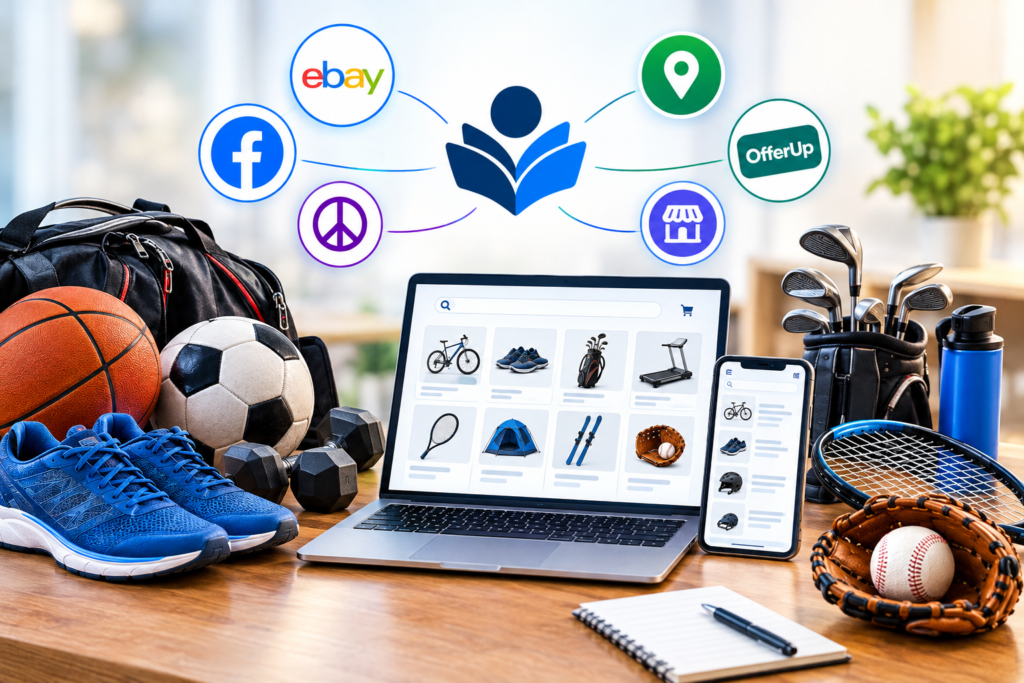
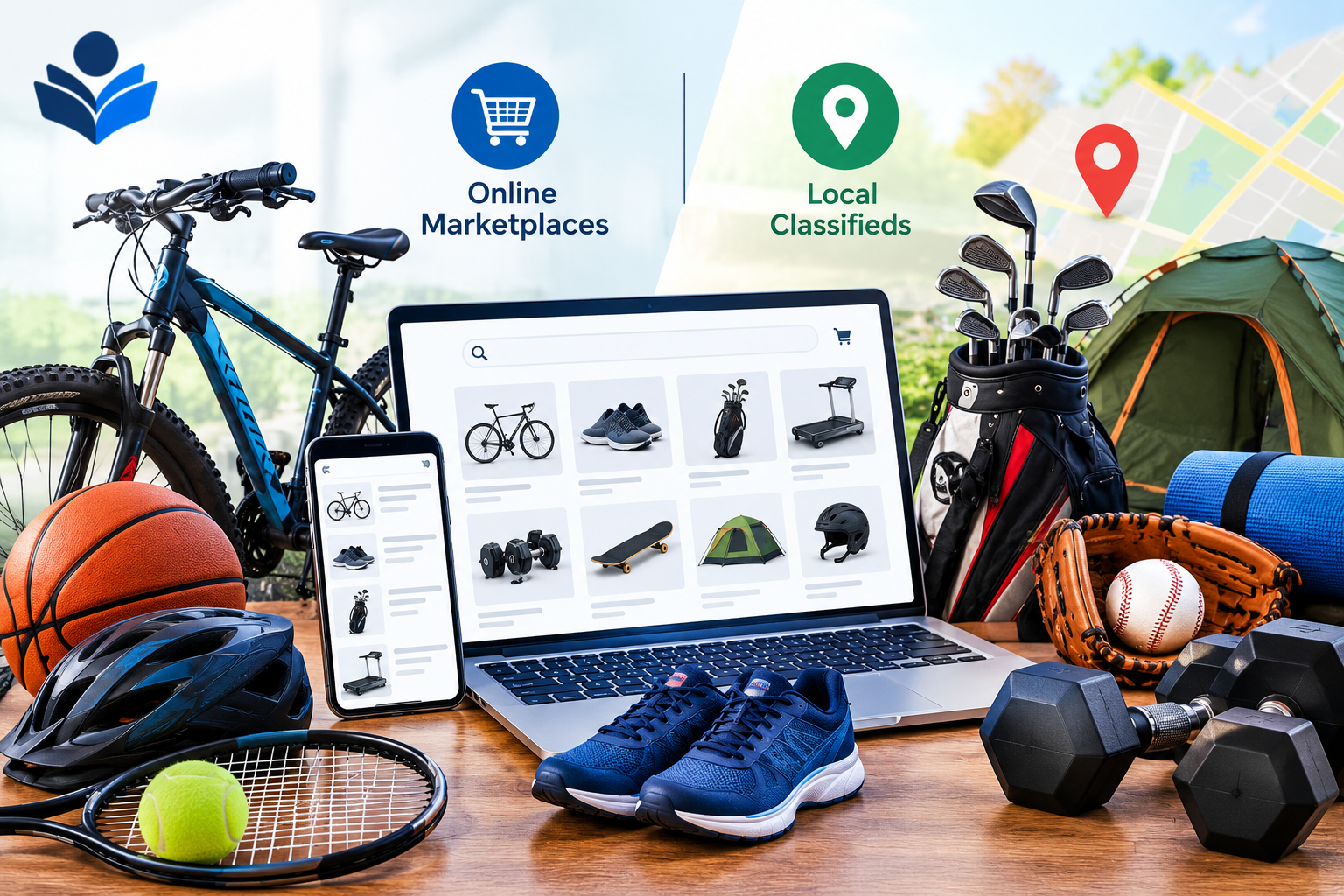
Deciding where to sell used sports equipment comes down to three trade-offs: how fast you need the money, how much effort you are willing to put in, and how much of the sale price you are happy to give up. No single route wins on all three, so it helps to match the channel to the item. The table below gives a rough picture, and the sections after it explain each option.
| Channel | Speed | Effort | Payout tendency |
| Local buy-and-trade store | Same day | Low | Lower than a private sale, no shipping |
| Online sports marketplace | Days to weeks | Medium | Higher, minus platform fees |
| General marketplace or classifieds | Days to weeks | Medium to high | Often highest for popular items |
| Consignment or seasonal swap | Weeks to a season | Low to medium | Moderate, the shop keeps a share |
| Teams, clubs, and neighbors | Varies | Low | Fair but modest |
Local Buy-and-Trade Stores
Stores that buy used gear are the quickest route to cash. Play It Again Sports, for example, explains on its seller page that it buys year-round without an appointment and bases offers on brand, condition, and demand. It also says you can receive 10 to 20 percent more if you take store credit instead of cash, and that its stores do not buy or sell firearms. The Boise location has advertised interest in items such as golf drivers and putters, bikes, baseball and softball gloves, adult life jackets, and water sports gear, though a store’s needs change, so it is smart to call first.
The trade-off is price, since a store has to resell at a margin. This route suits bulk clearouts, older items, low-value pieces you do not want to list one at a time, and anyone who values a same-day result over the last few dollars.
Online Sports Marketplaces
Marketplaces built for athletes attract buyers who already know what a fair deal looks like. SidelineSwap describes itself as a place where athletes buy and sell gear. It lets you list for free, provides a prepaid label when an item sells, and offers cash-out to a bank account, Venmo, or a retailer gift card, along with trade-in through local partner stores. Because the audience is specialized, hockey, lacrosse, baseball, and golf gear often gets more informed attention here than on a general site.
The downsides are platform fees, which come out of your payout, and the need to ship, which means packing bulky items and building shipping costs into your price. Fee schedules change, so read the current one before you list.
General Marketplaces and Local Classifieds
Facebook Marketplace, Craigslist, OfferUp, Mercari, and eBay reach the widest audience. Local pickup on Facebook Marketplace or Craigslist avoids shipping and lets buyers inspect large items such as treadmills, bikes, and kayaks, which is a real advantage for heavy or awkward gear. Mercari and eBay suit smaller shippable items like gloves, cleats, and clubs, where a buyer anywhere in the country can bid. General marketplaces also bring lowball offers, no-shows, and scams, so they demand more patience. If you have a valuable item and some time, this is often where the highest sale price lives.
Consignment Shops and Seasonal Swaps
Consignment sits between selling it yourself and selling to a store. The shop lists your item, deals with the buyer, and keeps a share when it sells, which suits higher-value pieces you do not want to photograph and message about. Some outdoor shops and community events in the Boise area take gear on consignment or run seasonal swaps for skis, snowboards, and bikes, so it is worth searching for current ones. Before you hand anything over, ask about the split, how long the shop will hold your item, what happens to it if it does not sell, and whether you will be paid in cash or credit.
Teams, Clubs, and Neighbors
Youth leagues, school teams, gyms, and neighborhood groups are underrated. Parents trade cleats and pads constantly because kids outgrow gear, and a post in a local team group can sell an item in a day with no fees at all. Prices tend to be modest, but the buyer knows exactly what they are getting and the handoff is easy.
Some items belong in a different market altogether. If your gear is older or collectible, such as a wooden tennis racket or a retro jersey, a collector audience may pay more than a general one, and Used Items Guide’s overview of the places to sell vintage items online covers where those buyers hang out. For training apparel, team shirts, and jackets, the notes on where to sell used clothes for cash will help you avoid listing clothing in the wrong place.
How to Set a Price That Sells Without Underselling
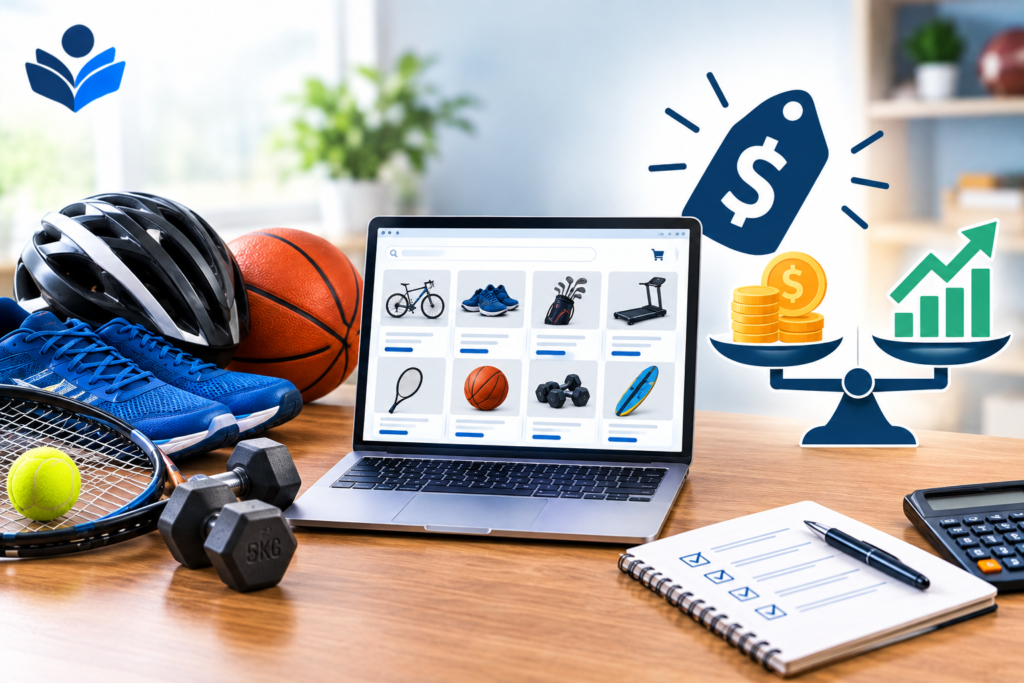
Start with your research range, then decide which end you are aiming for. If you want a fast sale, price slightly under comparable listings. If you can wait, list toward the higher side of what similar items have sold for. Either way, price with negotiation in mind. Buyers on general marketplaces almost always ask whether the price is firm, so leave a cushion of roughly five to fifteen percent for haggling, and decide your lowest acceptable number before the first message arrives.
A little price psychology helps. A price of 145 dollars feels different from 150, and a line such as “open to reasonable offers” invites messages that can turn into sales. Bundles work well for small items. A set of youth soccer gear, a starter set of golf clubs, or a bag with everything a beginner hockey player needs often sells faster than the same pieces listed separately, since buyers want to solve a problem in one purchase. Valuable single items, like a good bike, should be listed on their own so their price is not muddied by extras.
Shipping changes the math. A pair of skis or a bike that must be boxed can cost so much to ship that the buyer’s total ends up higher than a new item. For heavy or bulky gear, local pickup is usually the sensible path. For small items, check shipping rates using the real weight and box size before listing, then decide whether to include shipping in the price or charge it separately. Subtract the platform fee as well, so you know your true payout before you accept an offer.
Finally, set a schedule for price changes. If an item gets no messages in the first week, the problem is probably the photos, the title, or the price, and you should fix them. If it gets plenty of messages but no offers, the price is likely a little high. Drop it in small steps, often about ten percent, every one to two weeks, and refresh the listing with new photos or a reworded title so it shows up again. Avoid cutting to the floor on day one. It removes negotiating room and leaves you regretting it if a buyer accepts instantly.
Writing a Listing That Answers Questions Before Buyers Ask
A good title contains the brand, model, size, and item type, in the words a buyer would type into a search box. “Trek Marlin 5 mountain bike, medium frame, 29 inch wheels” gets found, while “great bike for sale” does not. Put the most searchable details first and skip filler words.
In the description, start with condition in plain language, then list specifics, then say what is included and why you are selling. A sentence like “used two seasons, no crashes, new tires last spring” builds more confidence than any adjective. Mention flaws directly. State your pickup area in general terms, such as a neighborhood or side of town, rather than a street address, and say how you accept payment and whether you consider offers. Write the way you would talk to a neighbor, clear and direct, without capital letters shouting for attention or a wall of hype.
Reply quickly and politely. Many buyers message several sellers at once and go with whoever answers first. Answer questions with specifics, offer extra photos or a short video when asked, and be honest if you do not know something. If a lowball offer arrives, you can counter with your lowest acceptable price or simply ignore it. A calm tone often turns an awkward first offer into a reasonable one.
Selling Locally in Boise: Timing, Meetups, and Safety
Local selling has a rhythm. Boise is a place where people bike the Greenbelt, float the river, ski at Bogus Basin, hike the Foothills, and play golf, so demand for gear moves through the calendar. Bikes and hiking gear tend to see interest in spring, water gear in early summer, and skis and snowboards from early fall through winter. Posting a bike in March generally brings more attention than posting it in December. If you want more local detail, Used Items Guide has a page on used bikes and outdoor gear in Boise, ID. And if you are clearing out a whole garage, its notes on used appliances in Boise, ID and places to sell outdoor furniture cover the non-sports items that tend to be sitting next to the weight bench.
For safety, meet in a public, well-lit place with cameras, such as a busy store parking lot. Some police departments set aside exchange spots for online sales, so check with your local department. Tell someone where you are going, or bring a friend. Let buyers test items where it is reasonable, but keep the item in your sight. For expensive pieces like e-bikes, meeting at a bike shop where a mechanic can look it over protects both sides.
Payment deserves the same care. Cash is simplest, and you can count it on the spot. Payment apps are common, but they come with risks. Be wary of buyers who overpay and ask you to send back the difference, who push you toward unfamiliar links or a courier they arrange, or who want to move the conversation off the platform right away. Confirm that the money has actually landed in your account before you hand over the item, and remember that some payment services allow reversals during disputes. When you ship, use the platform’s own payment and shipping tools so you keep whatever protection it offers.
Mistakes That Quietly Reduce Your Payout
- Pricing from your receipt. What you paid is history. Price from what comparable items actually sold for.
- Skipping the flaws. Hiding a scratch or a worn part invites disputes, returns, and bad feedback that cost far more than the discount you avoided.
- Ignoring fees and shipping. A sale that looks good on paper can shrink fast once platform fees, packing, and postage come out.
- Selling out of season without deciding on purpose. Listing snow gear in July is fine if you accept a slower sale or a lower price, but do it knowingly.
- Accepting the first low offer out of impatience. Unless you truly need speed, wait for a second or third message before you say yes.
- Selling unsafe gear. Cracked or crashed helmets and worn protective pads should be retired, not resold.
Frequently Asked Questions
How do I know if my used sports equipment is worth selling or better to donate?
Look at what similar items have actually sold for. If comparable gear sells for enough to cover your time, fees, and shipping, listing it makes sense. If the likely payout is only a few dollars, or the item is worn, outgrown, or very cheap, donating to a youth league, school program, or community center usually makes better use of your time. For a mixed pile, sell the two or three valuable pieces and donate the rest as a batch.
What is the fastest way to get cash for used sports gear?
A local store that buys used equipment is usually fastest, since you can walk in and leave with an offer the same day. Neighborhood groups and team communities can also move items within a day or two. The trade-off for speed is nearly always a lower price than you would get from a patient private sale, so use fast routes for older or lower-value items.
Is it better to sell gear as a bundle or piece by piece?
It depends on value. Small, lower-priced items such as youth gear, starter sets, and accessories tend to sell better as a bundle, because buyers like solving several needs in one purchase. Valuable single pieces, like a quality bike, a good set of skis, or a premium driver, are better listed separately so you are not discounting them to make a bundle attractive.
Should I take store credit instead of cash?
Credit can be a smart choice if you plan to buy gear anyway, since some stores offer a higher value in credit than in cash. Play It Again Sports, for instance, says on its seller page that it offers roughly 10 to 20 percent more in store credit than in cash. If you do not expect to shop there, cash is more flexible. Ask about expiration and restrictions before you agree.
How much should I ask for used sports equipment compared with new?
There is no single percentage that fits everything. Popular brands in good condition often sell for a healthy portion of the new price, while older or generic gear sells for far less. A store’s shelf price for used items is often around 40 to 60 percent of new, according to one chain’s own seller page, and private sales in good condition can land at or above that range. The most reliable method is still checking recent sold prices for the exact model.
Can I sell used helmets and other protective gear?
Sometimes, but with caution. Helmets and pads are designed to absorb impact, and many manufacturers recommend replacing a helmet after a significant crash and after a set number of years. Never sell a helmet that has been in a serious impact or is past its recommended life. If yours is lightly used and within its guidance, state the age and history clearly so the buyer can make an informed decision, and check the manufacturer’s advice.
What should I do with gear that will not sell?
First, lower the price or bundle it with something more popular. If it still does not move after a few weeks, consider donating it to a youth program, a school team, or a community group. Some donations are tax deductible, so keep a receipt and ask a tax advisor how the rules apply to you. As a last resort, recycle what you can, and dispose of items that are unsafe to reuse.
Final Thoughts
Selling used sports gear is less about finding a magic platform and more about a few sensible habits. Know what similar items really sold for, describe your condition honestly, prepare and photograph the item well, and match the channel to the size and value of what you are selling. A store gives you speed, an athlete marketplace gives you a knowledgeable audience, and a local listing gives you the widest reach and often the highest price if you are willing to wait and answer messages. Your choice can change from one item to the next.
Keep an eye on the small costs that sneak in, like fees, shipping, and price cuts made in a hurry, because they decide what you actually take home. Sell in the right season when you can, meet buyers safely, and retire any gear that should not be used again. Do that, and the clutter in your garage turns into money you feel fair about, and the equipment goes to someone who will actually use it. If you want to keep going, the rest of Used Items Guide at useditemsguide.com has more ideas for selling what you no longer need.
