
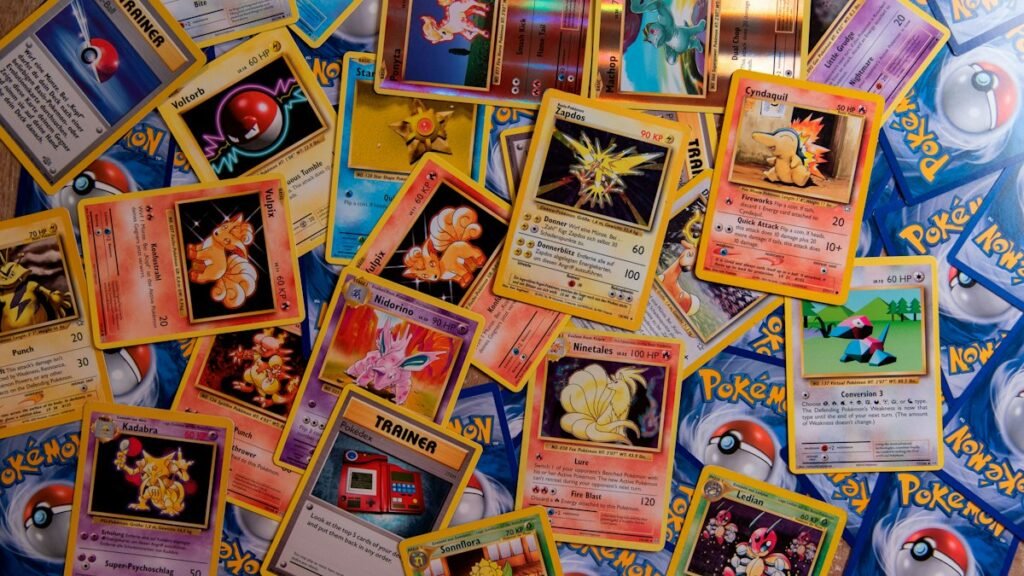
Maybe you found a binder of Pokémon cards from the late ’90s in your parents’ attic. Maybe your kids have moved on from the hobby, or you’ve been collecting for years and want to cash out a few chase cards. Either way, the Pokémon card market is huge, and the right card in the right condition can be worth far more than you’d expect. Most cards, though, are worth very little, which is why knowing where to sell Pokémon cards for each type of card matters so much.
This guide breaks down the best places to sell Pokémon cards online and locally, what each option charges, how to figure out what your cards are worth, when grading is worth the cost, and how to avoid getting lowballed. If you have other collectibles too, see our guide on where to sell collectibles.
Key Takeaways
- Value first: Check sold prices on eBay and market prices on TCGplayer before selling. Asking prices don’t tell you what cards actually sell for.
- eBay is the biggest market for valuable, vintage and graded cards; TCGplayer is great for individual modern cards.
- Local card shops pay instantly but usually offer a fraction of market value; store credit pays more than cash.
- Grading (PSA, CGC, Beckett) costs money per card, so it usually only makes sense for valuable cards in excellent condition.
- Bulk commons are worth only pennies each. Sell them in lots or to a shop, and focus your effort on your best cards.
Table of Contents
How to Find Out What Your Pokémon Cards Are Worth
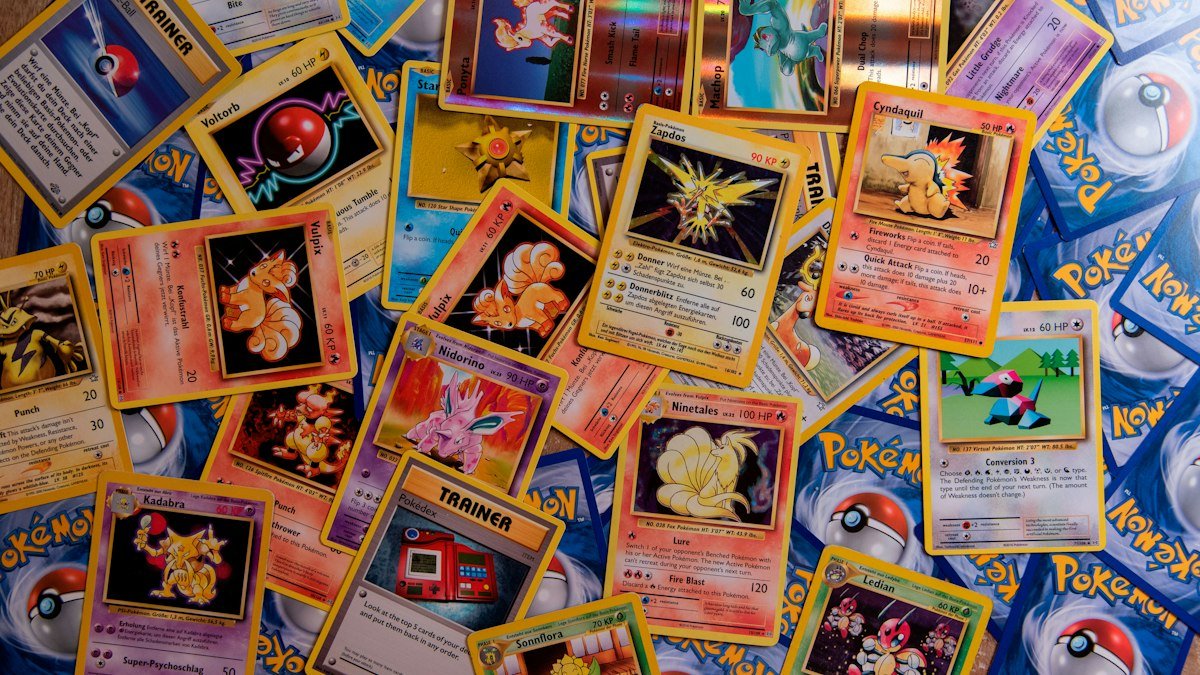
Before you list a single card, sort your collection and check values. This step alone can be the difference between selling a card for $5 and selling it for $500.
1. Sort Your Cards
Start by separating your cards into three piles: bulk (common and uncommon cards, energy cards), rares and holos (cards with a star symbol, holographic cards, ultra rares, special illustration rares), and vintage (cards from the original Base Set era and early sets). First edition and “shadowless” Base Set cards deserve special attention.
2. Identify Each Card
Each card has a set symbol and a card number (for example, 4/102) printed near the bottom. Use these to find the exact card and version online, because the same Pokémon can have many different printings worth very different amounts.
3. Check Sold Prices, Not Asking Prices
Search for the exact card on eBay and use the “Sold items” filter to see what buyers actually paid recently. TCGplayer’s market price is another good benchmark for modern cards. Ignore the highest asking prices; many listings sit for months without selling.
4. Assess Condition Honestly
Condition makes a huge difference. Look at the card under bright light for whitening on the edges and back, scratches on the holo, bends, creases and off-center printing. Cards are usually described as Near Mint, Lightly Played, Moderately Played, Heavily Played or Damaged. A Near Mint card can be worth several times more than the same card with visible wear.
Best Places to Sell Pokémon Cards Online
1. eBay (Best for Valuable, Vintage and Graded Cards)
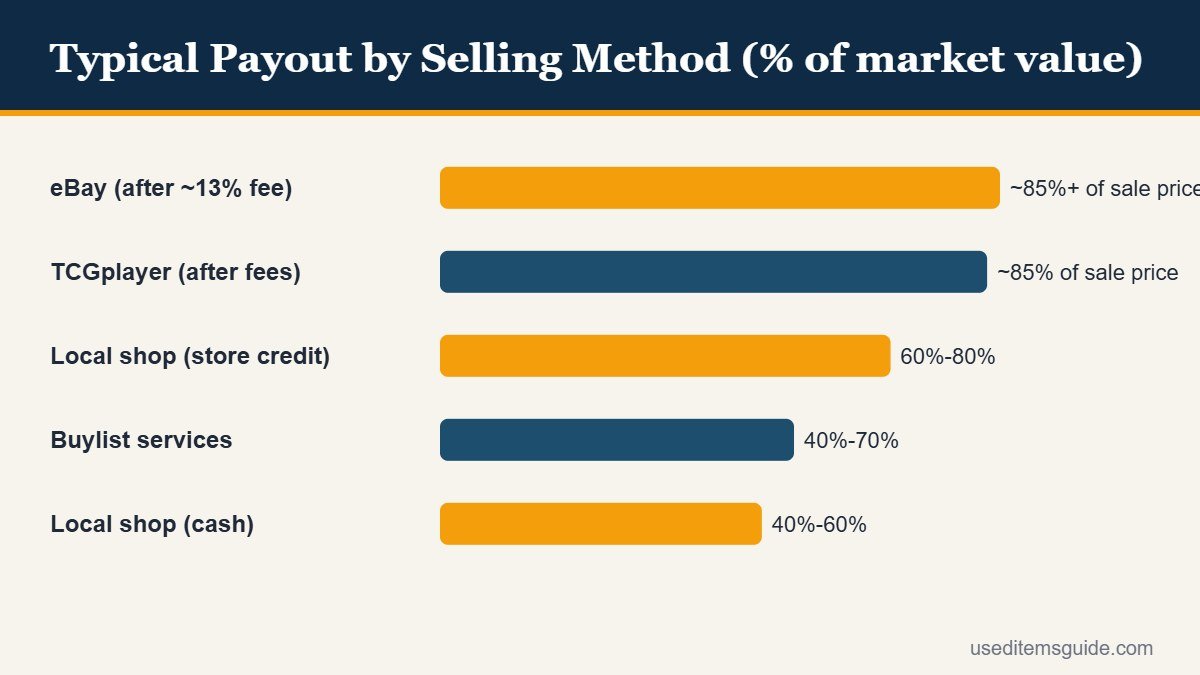
eBay is the largest marketplace for Pokémon cards and the go-to choice for rare, vintage and graded cards. You can run auctions to let collectors bid prices up or use Buy It Now. Expect to pay a final value fee on each sale (around 13% for trading cards, depending on price and account), plus shipping. For cards worth $20 or more, ship with tracking in a sleeve, top loader and bubble mailer.
Best for: Cards worth $20+, graded cards, vintage holos and sealed products.
2. TCGplayer (Best for Individual Modern Cards)
TCGplayer is a dedicated trading card marketplace owned by eBay, and it’s where many players buy individual cards for their decks. According to TCGplayer’s fee page, standard marketplace sellers pay a 10.75% commission (capped at $75 per item) plus a 2.5% + $0.30 transaction fee. It’s ideal for modern cards with steady demand, and the platform’s market prices make pricing simple.
Best for: Modern singles, playable cards and sellers with many cards to list.
3. Live Selling Apps (Whatnot and Similar)
Live-stream shopping apps like Whatnot have become popular for trading cards. Sellers host live auctions where collectors bid in real time, which can create excitement and good prices for desirable cards. It works best if you’re comfortable on camera and have enough inventory to run a show.
4. Buylist Services
Buylists let you sell cards directly to a dealer at a set price. You get paid without waiting for a buyer, but offers are wholesale prices. Double Holo estimates that buylist services typically pay around 40% to 70% of market value. They’re best for clearing out a large number of mid-value cards quickly.
5. Facebook Groups and Collector Communities
Many Pokémon collecting groups on Facebook and Reddit have active buy/sell threads. You can avoid big platform fees, but you take on more risk. Only sell to members with strong reputations, use payment methods with buyer and seller protection, and ship with tracking.
Best Places to Sell Pokémon Cards Locally
6. Local Card Shops (LCS)
Local game and card stores buy Pokémon cards for resale. The big advantage is speed: you walk in with cards and walk out with cash or store credit the same day, with no fees or shipping. The trade-off is price. Double Holo reports that local shops typically pay around 40% to 60% of market value in cash, or 60% to 80% in store credit. If you’ll spend the credit on cards or supplies anyway, credit is usually the better deal.
Best for: Bulk, low-to-mid value cards and quick cash.
7. Card Shows and Conventions
Trading card shows bring many dealers into one room, which lets you get several offers for valuable cards in a single afternoon. Dealers at shows are often willing to pay more for desirable cards than a single local shop. Bring your cards organized in sleeves and top loaders, and know your values before you start negotiating.
8. Facebook Marketplace and Local Collectors
Selling to local collectors in person can get you closer to full market value with no fees. Meet in a public place (many card shops welcome trade meetups), let the buyer inspect the cards, and accept cash or an instant payment app only once you’re face to face.
9. Pawn Shops
Some pawn shops buy trading cards, but most don’t specialize in them, so offers are often low. Use a pawn shop only as a last resort or to compare against other offers.
Comparison Table: Where to Sell Pokémon Cards
| Option | Typical Payout | Fees | Speed | Best For |
|---|---|---|---|---|
| eBay | Market price minus fees | ~13% final value fee + shipping | Days to weeks | Valuable, vintage, graded cards |
| TCGplayer | Market price minus fees | 10.75% + 2.5% + $0.30 | Days to weeks | Modern singles |
| Live selling apps | Auction-driven | Platform and payment fees | During live shows | Sellers with lots of inventory |
| Buylist services | ~40%–70% of market | None (price is the discount) | Fast | Clearing mid-value cards |
| Local card shop | ~40%–60% cash / 60%–80% credit | None | Same day | Bulk and quick cash |
| Card shows | Varies, often competitive | Travel/entry costs | Same day | Comparing dealer offers |
| Local collectors | Near market value | None | Varies | Mid-to-high value cards |
Should You Get Your Pokémon Cards Graded?
Grading means sending a card to a professional company like PSA, CGC or Beckett (BGS), which authenticates it, assigns a condition score from 1 to 10 and seals it in a protective case. A high grade, especially a PSA 10 “Gem Mint,” can multiply a card’s value. But grading isn’t free, and it isn’t worth it for every card.
- Cost: According to The Penny Hoarder, PSA grading costs $25 or more per card, and faster service levels and higher-value cards cost more.
- Time: Standard service can take several weeks or longer.
- When it makes sense: Valuable cards (often $100+ raw), vintage holos, first editions and modern chase cards that look flawless under close inspection.
- When to skip it: Low-value cards, cards with visible whitening, scratches or creases, and bulk.
Quick test: Compare the card’s current raw (ungraded) sold price with recent sold prices for graded copies (PSA 9 and PSA 10). If the difference is much bigger than the grading cost plus shipping, and your card looks near perfect, grading may pay off.
Where to Sell Each Type of Pokémon Card
| What You Have | Best Place to Sell | Why |
|---|---|---|
| Bulk commons and uncommons | Local card shop or bulk lot on eBay/Facebook | Worth only pennies each; sell in volume |
| Modern holos and playable cards | TCGplayer or eBay | Steady demand from players and collectors |
| Modern chase cards (alt arts, SIRs) | eBay or TCGplayer; consider grading | High demand, big price swings |
| Vintage Base Set and early sets | eBay; grade high-value cards first | Collectors pay premiums for condition |
| Graded slabs (PSA, CGC, BGS) | eBay, card shows, auction houses | Collectors trust graded cards |
| Sealed booster boxes and packs | eBay, local shops, collectors | Sealed product is valued by collectors |
| Whole collections | Card shows, local shops, or split up | Get several offers before selling all at once |
Want to dig deeper into valuing rare items? Our guide on how to find the value of collectibles before selling covers research methods that work for cards too.
Tips to Get the Most Money for Your Pokémon Cards
- Protect cards immediately. Put valuable cards in a soft sleeve and a rigid top loader. Even small dings on corners can lower value.
- Take sharp, honest photos. Photograph the front and back in good light, plus close-ups of corners and any flaws. Buyers pay more when they can see exactly what they’re getting.
- Use exact titles. Include the Pokémon name, set, card number, rarity and condition, for example “Charizard 4/102 Base Set Holo – Lightly Played.”
- Sell bulk in lots. A “500 Pokémon card bulk lot” sells far faster than 500 separate listings. Pull out any rares and holos first.
- Time your sales. Card prices can jump around new set releases, anniversaries and big hobby news. Track prices for a few weeks if you’re not in a hurry.
- Compare offers for big collections. Get quotes from at least two or three shops or dealers before selling a whole collection.
- Factor in fees and shipping. Calculate what you’ll actually keep on each platform before choosing where to list.
How to Avoid Pokémon Card Scams
- Never ship before payment clears. Use platforms that protect sellers, and be wary of buyers asking you to ship to a different address.
- Avoid “friends and family” payments with strangers. These payment types usually have no protection if something goes wrong.
- Watch for fake grading slabs. If you buy or trade for graded cards, verify the certification number on the grading company’s website.
- Use tracking and signature confirmation for expensive cards so you can prove delivery.
- Be careful with “too good to be true” offers sent by direct message, especially those that pressure you to act fast.
Are Old Pokémon Cards Worth Anything?
Some are, and some aren’t. Vintage cards from the original sets, especially holographic rares, first editions and cards in excellent condition, can be valuable to collectors. But many cards from the late ’90s and early 2000s were printed in huge numbers, and worn commons from those sets are often worth very little. The only reliable way to know is to check recent sold prices for your exact card and condition.
If you’re clearing out more than cards, see our list of 30 things to sell to make money and our guide on Amazon vs eBay for selling used items.
Frequently Asked Questions
What is the best place to sell Pokémon cards?
For valuable, vintage and graded cards, eBay is usually the best place because it has the largest audience of collectors. For individual modern cards, TCGplayer is a strong option. For quick cash or bulk, a local card shop is the easiest choice, though it pays less.
How much do card shops pay for Pokémon cards?
Local card shops usually pay a fraction of market value because they need to resell at a profit. Double Holo estimates around 40% to 60% of market value in cash, or 60% to 80% in store credit. Bulk commons may only bring a cent or a few cents each.
How do I know if my Pokémon cards are worth money?
Look up each card by name, set and card number, then check eBay sold listings and TCGplayer market prices. Holographic rares, first editions, vintage cards and modern special illustration rares are the most likely to be valuable, especially in near-mint condition.
Is it worth getting Pokémon cards graded?
Only for valuable cards in excellent condition. PSA grading costs $25 or more per card, so it usually makes sense for cards worth roughly $100 or more raw, or cards where a high grade sells for much more than the ungraded price.
Can I sell Pokémon cards for cash near me?
Yes. Local card and game shops, card shows and local collectors on Facebook Marketplace all buy Pokémon cards for cash. Call ahead to ask whether a shop is buying and what kinds of cards it wants.
How should I ship Pokémon cards?
Place each card in a penny sleeve and a top loader, tape the top loader closed, and ship valuable cards in a bubble mailer with tracking. For expensive cards, add signature confirmation and insurance.
Final Thoughts
The best place to sell Pokémon cards depends on what you have. Sort your cards, check sold prices, and match each group to the right channel: bulk to a local shop or a bulk lot, modern singles to TCGplayer, and valuable, vintage or graded cards to eBay or card shows. Protect your cards, photograph them well, and only grade the ones that truly justify the cost.
