






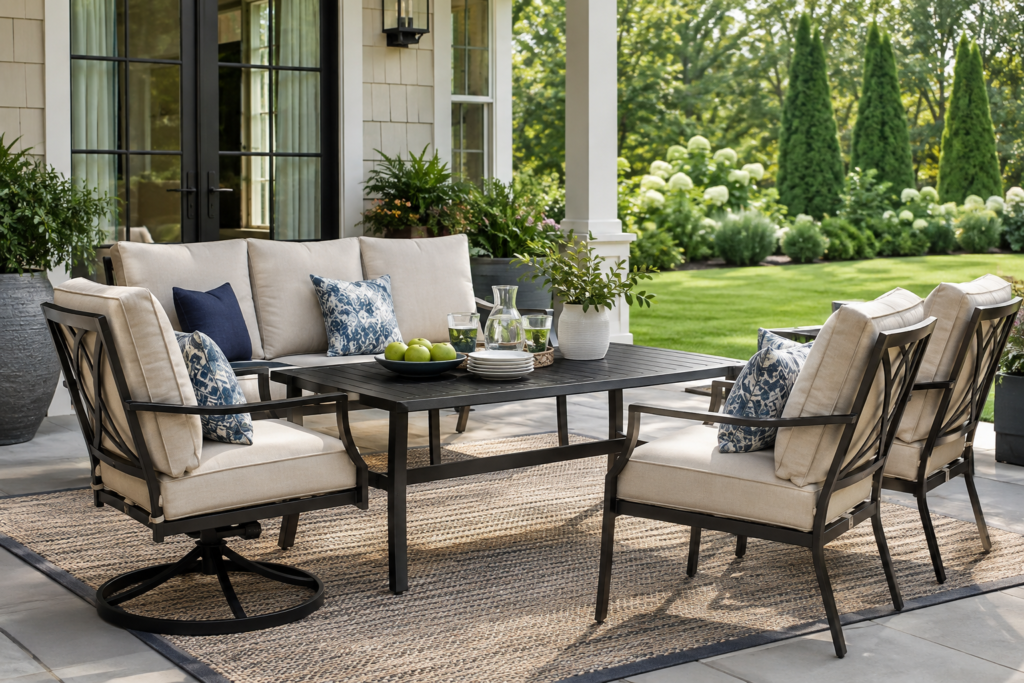
Selling outdoor living products patio sets, garden furniture, umbrellas, fire pits, hammocks, and other backyard essentials is a little different from selling most other second-hand items. Buyers aren’t just picking up a chair or a table; they’re investing in a piece of their home life, a space where they’ll relax, entertain, and spend long summer evenings. When someone reaches out to buy your used outdoor furniture, they’re trusting you to help them make the right choice for their family and their budget.
Whether you’re clearing out a backyard before a move, upgrading your patio set, or simply decluttering, selling outdoor living products successfully takes more than just snapping a photo and posting a price. It requires a bit of finesse, from how you present yourself to the buyer, to how well you know your own furniture, to the small details in your listing and photos that make all the difference.
Outdoor furniture also behaves differently in the resale market compared to most other used goods. It’s bulkier, harder to ship, more exposed to weather related wear, and often bought as a set rather than a single item. That means buyers tend to ask more questions, take longer to decide, and place a lot of weight on trust before they commit to arranging pickup or delivery. Sellers who understand this, and adjust their approach accordingly consistently sell faster and for better prices than those who simply list an item and wait.
The good news is that none of this requires special training or a sales background. It just requires a thoughtful, buyer first approach, paired with a well-put-together listing. Below, we’ve broken this down into 11 practical, easy to apply tips, along with notes on where photos can strengthen your listing and links to more detailed resources if you want to go deeper on any particular step.
1. Make the Buyer Feel Comfortable
The first step in any successful sale used or new is building trust with the person on the other side of the transaction. When you’re selling outdoor furniture privately or through a resale platform, you don’t have a storefront or a sales team backing you up. It’s just you, your listing, and your responses to buyer messages.
Tread carefully here. Be warm and approachable, but don’t come across as pushy or overly salesy, nobody wants to feel like they’re being talked into a purchase, especially when they’re spending their own money on a second hand item. Answer questions promptly, be polite even if a buyer asks something you’ve already explained in your listing, and try to read what kind of buyer you’re dealing with.
Some buyers just want a quick, no-fuss transaction: they’ve seen the price, they like the photos, and they want to arrange pickup. Others want more reassurance they’ll ask about the condition, why you’re selling, how old the furniture is, and whether it’s held up well outdoors. Give each type of buyer the experience they’re looking for, and you’ll close more sales with less friction.
If you’re new to selling used furniture, it also helps to know generally where buyers are actually looking. A quick look at the best places to sell outdoor furniture can help you understand where serious, motivated buyers tend to gather, so you’re not wasting time and trust-building energy on the wrong platform.
Comfort also comes from responsiveness. A buyer who messages you and waits two days for a reply starts to lose confidence, even if your item and price are perfect. Try to respond within a few hours where possible, and if you can’t, a short “I’ll get back to you with details tonight” message goes a long way toward keeping that trust alive. Small courtesies confirming pickup times clearly, giving your general location upfront, and being flexible with scheduling all add up to a buyer who feels genuinely comfortable following through with the purchase.
2. Know Your Product Inside and Out
You don’t need to be a furniture manufacturer to sell outdoor living products successfully, but you do need to know your specific pieces thoroughly. Buyers will ask questions, and vague or uncertain answers erode trust fast.
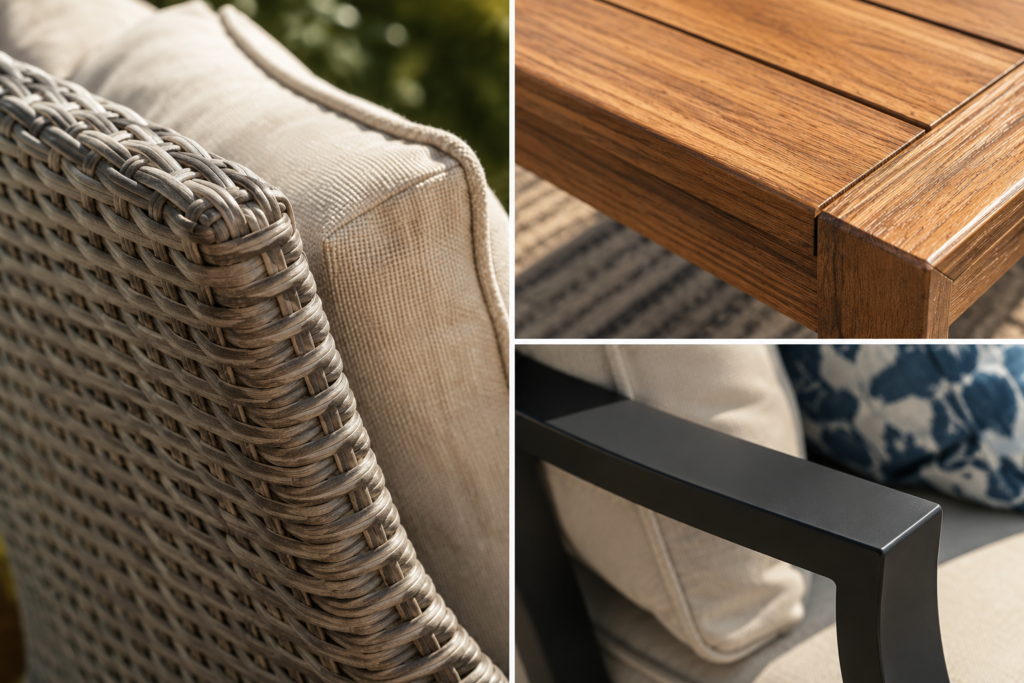
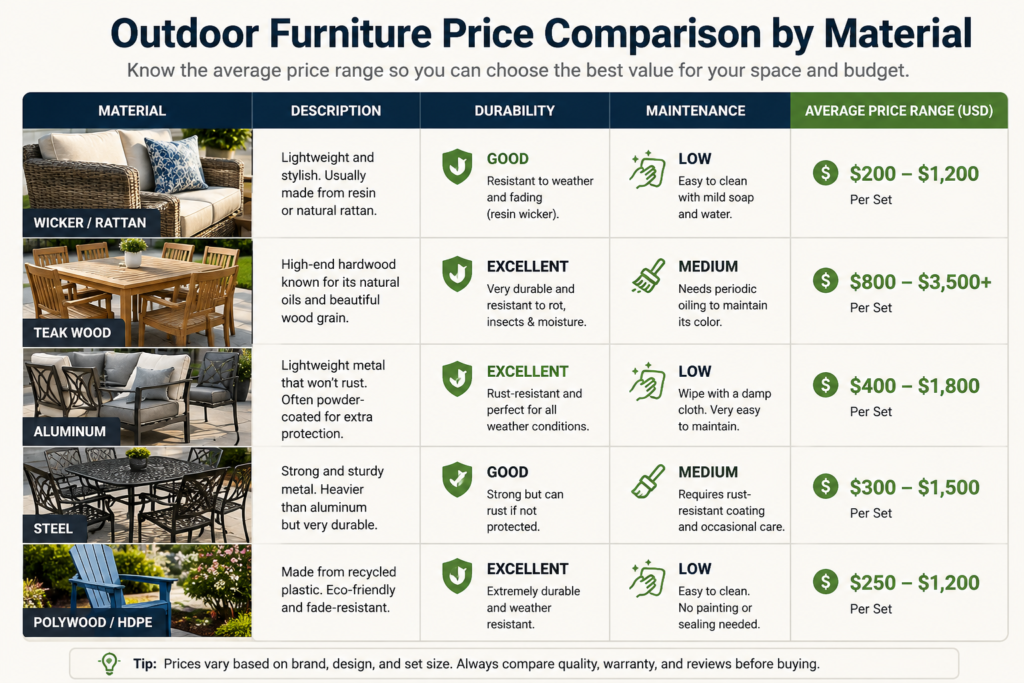
Know the material is it teak, wicker, aluminum, wrought iron, resin, or a composite? Know how that material holds up to sun, rain, and temperature swings, because that’s exactly what outdoor buyers care about most. Know the age of the piece, roughly how many seasons it’s been used, and whether it’s been stored indoors during winter or left outside year-round.
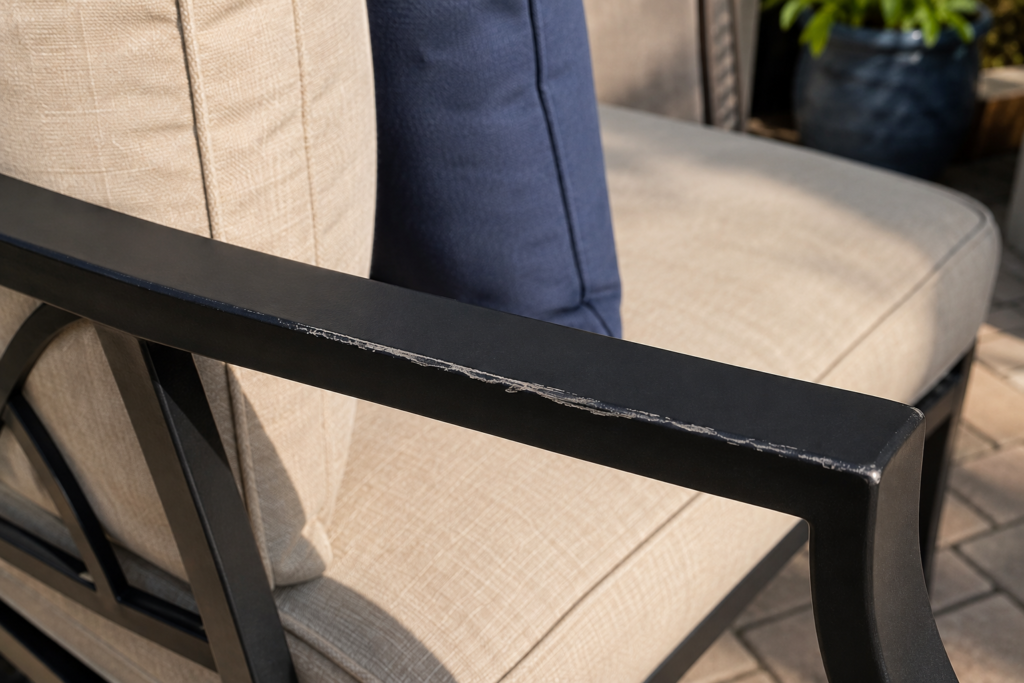
Be upfront about any wear. This isn’t necessarily a dealbreaker a small scratch on a metal frame or slight fading on a cushion is normal for used outdoor furniture but buyers appreciate honesty about it rather than discovering it after pickup. Trendy, mass-produced pieces tend to lose value quickly, while classic, well built furniture holds its resale value much longer. If your piece falls into the “built to last” category, make that a selling point in your description.
It also helps to know a little about the manufacturer or brand, even if it’s not a household name. A quick search can tell you whether the brand is known for durability, whether parts are still available, and roughly what similar pieces sell for new and used. This background knowledge doesn’t just help you answer buyer questions it also helps you price your item fairly and defend that price if a buyer tries to negotiate too aggressively.
3. Understand What the Buyer Actually Needs
A big part of selling is closing the deal, but an even bigger part especially in a resale environment where reviews and reputation matter is helping the buyer choose the right piece for their space. That builds the kind of trust that leads to repeat buyers and good word of mouth.
Ask a few simple questions when a buyer reaches out: How big is their patio or deck? Do they have kids or pets who’ll be using the space? Are they looking for something to entertain frequently, or a quiet corner set for two? A family with young children needs sturdier, easy-to-clean furniture, while a retired couple might prioritize comfort and lighter pieces they can move around easily.
If your item doesn’t quite fit what the buyer describes, be honest about that too even if it costs you a sale in the moment. Buyers remember sellers who genuinely tried to help them find the right fit, and that reputation carries weight, especially on platforms with buyer feedback and ratings.
This kind of guidance also reduces the odds of a return, refund request, or awkward renegotiation after pickup. A buyer who ends up with furniture that doesn’t suit their actual needs too small for their family gatherings, too heavy for their balcony, or too delicate for a yard with an active dog is far more likely to leave negative feedback or ask for money back. A few extra minutes of conversation upfront saves everyone that hassle later.
4. Find Out What Motivates the Buyer
Every buyer has a different reason for wanting outdoor furniture, and understanding that motivation helps you pitch the right features. Some buyers are drawn to well-known, reputable brand names because they associate that with durability and resale value later on. Others care less about the brand and more about specific features weight capacity, weather resistance, cushion thickness, or how easily a piece folds up for storage.
This becomes especially important when you’re selling used furniture from a brand that isn’t widely recognized. In that case, lean into the benefits and craftsmanship rather than the name. Highlight things like solid joinery, rust-resistant hardware, or fade-resistant fabric.
Some buyers are also motivated by multifunctionality a bench that doubles as storage, a table that extends for guests, or a set that converts from dining to lounging. If your piece offers that kind of flexibility, make sure it’s highlighted in both your listing title and description.
Price sensitivity is another factor worth considering. Some buyers shop for used outdoor furniture to save money, while others choose secondhand items to reduce waste and support sustainable living. Mentioning that your furniture is getting a second life instead of ending up in a landfill can appeal to environmentally conscious buyers. According to the noopener noreferrer. Environmental Protection Agency’s recycling and reuse guidance, extending the life of products through reuse helps reduce waste and supports a more sustainable environment. This small detail can make your listing stand out and build trust with buyers.
5. Be Honest — Always
Nothing damages a sale, or your reputation as a seller, faster than dishonesty. Whether you’re selling through a local marketplace, a classifieds site, or a dedicated resale platform, your credibility is your biggest asset.
If a buyer asks a question you don’t know the answer to say, the exact manufacture year or whether a specific cushion cover is still available for purchase separately don’t guess or make something up. Tell them you’re not sure, then actually find out and follow up. Buyers respect that far more than a confident-sounding wrong answer.
If honesty means admitting a flaw that isn’t flattering a wobbly leg, a stain that didn’t come out, a missing piece of hardware disclose it clearly in your listing and photos. Then, if possible, offer a small adjustment: a lower price, free local delivery, or including a spare part you have on hand. Buyers who feel like they were dealt with honestly are far more likely to complete the purchase and leave positive feedback, which matters enormously for future sales.
6. Know the Fine Print
When you’re selling new outdoor furniture, warranties and manufacturer guarantees are a natural part of the pitch. With used items, the “fine print” looks a little different but it’s just as important.
Buyers of outdoor living products want to know things like:
- Was the item stored outside year-round, or brought in during winter and bad weather?
- Is there any remaining manufacturer warranty that transfers to a new owner?
- What cleaning or maintenance has been done, has the wood been re-oiled, has the metal been treated for rust, has the fabric been professionally cleaned?
- Are there any known replacement costs the buyer should anticipate soon, like cushion covers or umbrella canopies?
Outdoor furniture is exposed to the elements in a way indoor furniture isn’t, so buyers have a heightened expectation around construction quality and care history. Being ready with this information rather than making the buyer dig for it signals that you’ve taken good care of the piece and builds confidence in the purchase.
It’s worth putting a short “care history” section directly into your listing description rather than waiting for buyers to ask. Something as simple as “stored in the garage every winter, cushions machine-washed each spring, no rust or mold” answers three or four common questions before they’re even asked, which speeds up the sale and reduces back-and-forth messaging significantly.
7. Set Reasonable Expectations About Condition and Performance
It can be tempting to oversell your furniture’s condition to close a deal faster, but this almost always backfires. If a buyer arrives expecting “barely used” and finds noticeable wear, you risk a canceled sale, a negative review, or an uncomfortable back-and-forth over price.
Instead, describe the condition honestly and let the price reflect it. Use clear, standard condition categories in your listing for example, “like new,” “gently used,” “well-loved but fully functional,” or “needs minor repair.” If a buyer is looking for something in pristine condition and your piece doesn’t quite meet that bar, be upfront so they can decide if it’s still worth it to them, perhaps at a lower price point.
If your item is genuinely in excellent shape, don’t be afraid to say so confidently just make sure your photos back up the claim. Buyers trust what they can see far more than what they read.
It also helps to set expectations around what “used” reasonably means for outdoor furniture specifically. A cushion that’s been outside for two summers will show some fading even if it’s been cared for well that’s normal wear, not damage. Helping buyers understand this distinction, rather than assuming they already know it, prevents disappointment and unnecessary negotiation once they see the item in person.
8. Know the Key Selling Points of Each Piece
Every piece of outdoor furniture has something that makes it stand out, whether that’s the construction, the materials, the brand reputation, or a unique design detail. Take the time to identify what makes your specific item worth buying, and lead with that in your title and first few lines of description.
For example:
- A teak dining set might sell on its natural weather resistance and how it silvers beautifully with age.
- A wicker sectional might sell on comfort and how well it fits into small or medium sized patios.
- A cast aluminum bistro set might sell on its rust resistance and lightweight portability.
9. Give Each Piece a Story
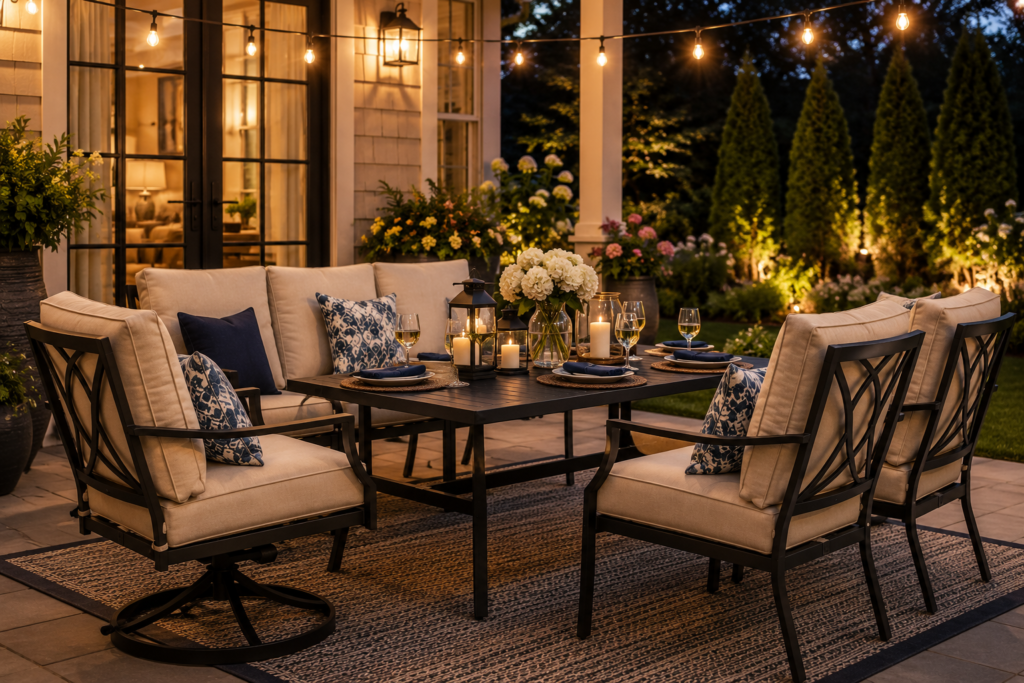
Numbers and specs matter, but people buy on imagination as much as logic. Craft a short “feature and benefit” story for each item you’re selling a sentence or two that helps the buyer picture themselves using it.
Instead of writing “6-seat outdoor dining table, good condition,” try something like: “This 6-seat teak dining table has hosted years of summer barbecues and is ready for a new family’s backyard gatherings solid, sturdy, and built to handle years more of outdoor dinners.”
This kind of framing works especially well for larger-ticket outdoor items like dining sets, sectionals, and fire pits, where buyers are making a bigger commitment and want to feel good about the purchase, not just tick a box.
You don’t need to write a novel two or three sentences is plenty. The goal is simply to shift the buyer’s mindset from “used furniture” to “furniture with a little history, still plenty of life left.” That subtle reframe can be the difference between a buyer scrolling past your listing and a buyer sending you a message.
10. Be Knowledgeable About the Whole Category — Not Just One Piece
If you’re regularly selling used outdoor furniture, whether as a casual seller clearing out multiple items or as someone building a small resale side business, it pays to understand the broader category, not just the individual piece in front of you.
Knowing how your item compares to others on the market (price, condition, brand reputation) lets you speak confidently when a buyer asks, “Why is this priced higher than a similar one I saw elsewhere?” It also opens the door to bundling or upselling for example, offering a matching umbrella or cushion set alongside a table for a combined price, which can be more appealing to buyers furnishing an entire outdoor space at once.
If you’re selling across multiple platforms or regions, it’s worth checking resources like where to sell outdoor furniture in the US to compare your options and figure out which marketplaces tend to have the most active buyers for the type of furniture you’re offering.
11. Create a Great Listing (Your Digital “Display”)
In a physical store, a great display does a lot of the selling for you the furniture is staged, the lighting is right, and buyers can touch and try things out. When you’re selling online, your listing photos and description are your display, and they carry even more weight because buyers can’t physically inspect the item before deciding to reach out.
A few things that make a real difference:
- Take photos in good natural light, ideally outdoors where the piece is normally used, rather than in a dim garage or storage area.
- Show multiple angles, including close-ups of any wear, tags, or brand markings.
- Clean the item before photographing it a quick wipe-down or hose-off makes a noticeable difference in how “sellable” a piece looks.
- Write a clear, honest title that includes the brand (if known), material, and seating capacity or size.
- Include dimensions outdoor furniture buyers often need to know exact measurements to make sure it fits their space.
A strong listing does the same job a great in-store display does: it lets the buyer picture the furniture in their own space and removes hesitation before they even message you.
A Quick Word on Pricing Used Outdoor Furniture
Pricing is where a lot of otherwise well-prepared sellers stumble. Price too high, and even a great listing with honest details and good photos will sit unsold for weeks. Price too low, and you leave money on the table while also, ironically, making some buyers suspicious that something is wrong with the item.
A few practical guidelines:
- Research comparable listings first. Look at what similar pieces same brand or material, similar condition are actually selling for, not just what they’re listed for. Listed prices and sold prices can differ quite a bit.
- Depreciate based on material, not just age. A well-built teak set can hold 50–60% of its value after several years, while a cheaper resin set might drop to 20–30% of its original price within a couple of seasons.
- Factor in completeness. A full dining set with all original cushions and hardware will command a noticeably better price than the same set missing a chair or cushion covers.
- Leave a small amount of room for negotiation, especially on marketplaces where buyers expect to haggle, but don’t inflate your starting price so much that it scares off serious buyers before they even message you.
- Be willing to adjust seasonally. Outdoor furniture sells fastest in spring and early summer. If you’re listing in late fall, expect a longer sale window or a lower final price, and plan accordingly.
Frequently Asked Questions
Do I need to clean my outdoor furniture before listing it?
Yes, always. A hose down, a wipe with mild soap and water, and a quick cushion wash (if machine-washable) can dramatically improve how your item photographs and how buyers perceive its condition. Clean furniture also photographs more accurately, since dirt and grime can hide or exaggerate wear in photos.
Should I include the original purchase price in my listing?
It can help, especially for well-known brands, since it gives buyers a frame of reference for how much value they’re getting. Just make sure your asking price reflects genuine depreciation rather than using the original price to justify an unrealistic asking price.
What if a buyer wants to negotiate below my listed price?
Some negotiation is normal, especially on classifieds-style platforms. Decide your minimum acceptable price ahead of time so you’re not caught off guard, and don’t be afraid to politely hold firm if an offer is unreasonably low especially if your item is priced fairly to begin with.
Is it worth repairing minor damage before selling?
Often, yes, if the repair is simple and low cost tightening a loose screw, re-gluing a joint, or replacing a single missing cap or glide. These small fixes can meaningfully increase both the sale price and the speed of sale. Larger repairs are worth it only if the cost is clearly outweighed by the expected increase in resale value.
How long does outdoor furniture typically take to sell?
This varies by season, condition, and pricing, but well-priced, well-photographed listings in spring or early summer often sell within a week or two. Off-season listings, or items priced above market value, can take considerably longer.
Selling More Than Just Outdoor Furniture?
If you’re decluttering your backyard, there’s a good chance you’re clearing out other spaces in your home too. The same principles above honesty, good photos, understanding buyer needs, and knowing the right place to sell apply just as much to other categories. If you’re also offloading items your kids have outgrown, it’s worth checking out this guide on where to sell used baby items for a category-specific breakdown of the best marketplaces and pricing tips.
Final Thoughts
At Used Items Guide, we believe selling used outdoor living products is simple when you focus on honesty, clear photos, accurate descriptions, and fair pricing. A well-prepared listing builds buyer confidence, helps your items sell faster, and increases your chances of getting the best possible price. Follow these tips from Used Items Guide to make every outdoor furniture sale smoother and more successful.
